Ayurvedic Treatment Hospital in Kerala, India, Ayurveda Resort, Doctor
THE BEST AYURVEDIC TREATMENT CENTRE AND HOSPITAL IN KERALA, INDIA | SINCE 1965

THE BEST AYURVEDIC TREATMENT CENTRE AND HOSPITAL IN KERALA, INDIA | SINCE 1965

11 Powerful Answers: What Diseases Can Kerala Ayurveda Treat
What diseases can Kerala Ayurveda treat is a common question among people interested in traditional and holistic approaches to health. In Thiruvananthapuram, people may explore Kerala Ayurveda for concerns such as joint discomfort, digestive problems, skin conditions, stress, sleep difficulties, and lifestyle-related health issues.
Ayurveda is a traditional Indian medical system that uses an individualized approach involving diet, lifestyle, herbal preparations, physical therapies, and other traditional practices. Kerala has a particularly strong tradition of Ayurvedic therapies, including medicated oil treatments and Panchakarma.
However, the word “treat” should be understood carefully. Scientific evidence does not establish Ayurveda as a cure for every disease. The U.S. National Center for Complementary and Integrative Health (NCCIH) notes that some studies suggest possible benefits for osteoarthritis and type 2 diabetes symptoms, while evidence for many other health problems remains limited.
So, when asking what diseases can Kerala Ayurveda treat, it is more accurate to discuss conditions for which Ayurveda is traditionally used or may provide supportive symptom management.
1. What Is Kerala Ayurveda
Kerala Ayurveda is the practice of traditional Ayurvedic medicine with therapeutic methods that have been preserved and developed extensively in Kerala. It follows the broader principles of Ayurveda while placing significant emphasis on herbal medicines, medicated oils, therapeutic procedures, diet, daily routines, and individualized care.
Traditional Ayurveda describes three functional principles called Vata, Pitta, and Kapha, collectively known as the doshas.
Vata
Vata is traditionally associated with movement, breathing, circulation, and nervous system activity.
Pitta
Pitta is traditionally associated with digestion, metabolism, body temperature, and transformation.
Kapha
Kapha is traditionally associated with stability, lubrication, structure, and strength.
An Ayurvedic assessment may consider symptoms alongside appetite, digestion, sleep, daily habits, age, physical constitution, and other individual factors.
The World Health Organization has published benchmarks addressing standards, safety, practitioner competence, infrastructure, products, interventions, and quality in Ayurvedic practice.
2. What Diseases Can Kerala Ayurveda Treat or Help Manage
There is no scientifically established list of diseases that Kerala Ayurveda can universally cure. Therefore, what diseases can Kerala Ayurveda treat is better answered by looking at conditions for which people commonly seek Ayurvedic supportive care.
These may include:
- Osteoarthritis and joint discomfort
- Certain musculoskeletal pain conditions
- Digestive complaints
- Constipation
- Some skin complaints
- Stress-related symptoms
- Sleep difficulties
- Lifestyle-related health concerns
- Metabolic health concerns
- Headache-related complaints
- Respiratory symptoms
- General wellness and recovery support
The suitability of Ayurvedic management depends on the diagnosis, severity of symptoms, medications being taken, age, general health, and other individual factors.
3. Osteoarthritis and Joint Problems
Joint discomfort is one of the common reasons people explore Ayurvedic treatment.
Osteoarthritis can cause pain, stiffness, reduced mobility, swelling, and difficulty performing everyday activities. Conventional treatment depends on severity and may include exercise, weight management, medicines, physiotherapy, injections, or surgery.
In Ayurveda, joint complaints may be approached through a combination of dietary changes, lifestyle modification, herbal preparations, medicated oils, massage, and selected therapies.
Some research suggests Ayurvedic approaches may reduce pain and improve function in people with osteoarthritis, although the available studies have limitations.
Ayurvedic Approaches Traditionally Used for Joint Care
Depending on individual assessment, supportive care may involve:
- Medicated oil application
- Therapeutic massage
- Localized traditional therapies
- Herbal preparations
- Dietary modifications
- Gentle physical activity
- Lifestyle changes
Persistent or severe joint pain should first be properly evaluated, particularly when accompanied by significant swelling, fever, injury, or sudden loss of mobility.
4. Back Pain and Musculoskeletal Discomfort
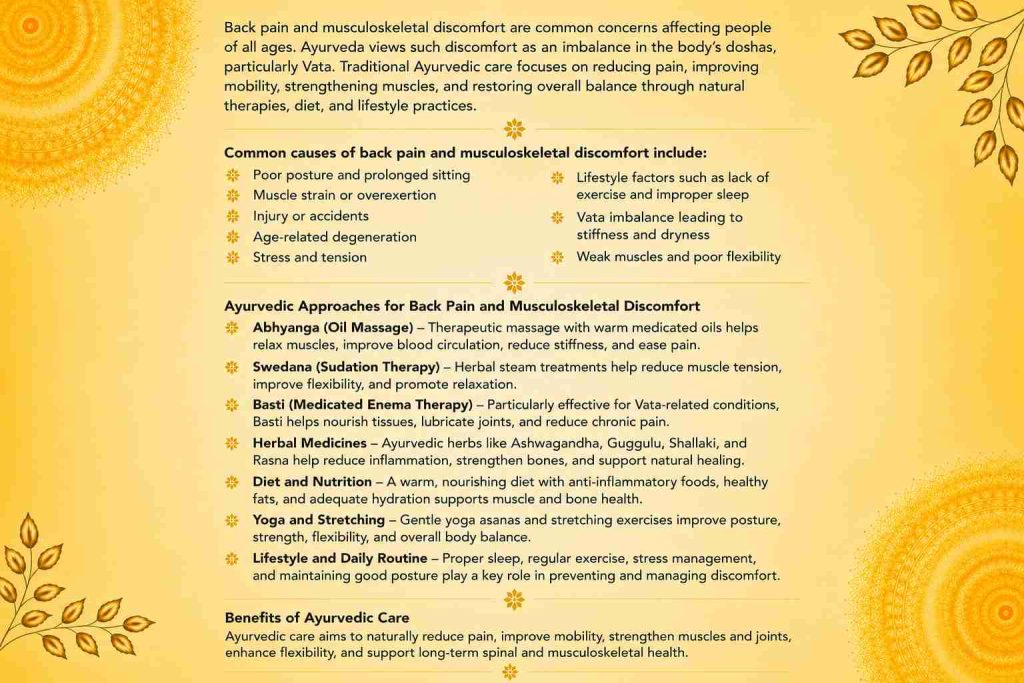
When discussing what diseases can Kerala Ayurveda treat, back and musculoskeletal complaints frequently appear because traditional Kerala therapies are widely associated with physical and oil-based treatments.
Back pain may occur because of muscle strain, poor posture, prolonged sitting, age-related changes, injuries, or underlying spinal disorders.
Ayurvedic management may traditionally use external oil applications, massage, heat-based procedures, exercise recommendations, lifestyle adjustments, and individualized herbal preparations.
Common Concerns People Seek Support For
These can include:
- Lower back discomfort
- Neck stiffness
- Muscle tightness
- Shoulder discomfort
- Reduced flexibility
- General body stiffness
Not all back pain is appropriate for massage or traditional physical therapies. Sudden weakness, numbness, bladder or bowel problems, major trauma, fever, or severe unexplained pain requires prompt medical evaluation.
5. Digestive Problems
Digestive health occupies an important place in traditional Ayurvedic theory. The concept of Agni, commonly interpreted as digestive and metabolic function within Ayurveda, is considered important to maintaining health.
People may explore Ayurvedic care for complaints such as:
- Indigestion
- Bloating
- Constipation
- Irregular appetite
- Abdominal discomfort
- A feeling of heaviness after eating
Management may focus on meal timing, food choices, hydration, sleep, activity, and selected Ayurvedic preparations.
Ayurvedic Dietary Management
Recommendations can vary between individuals. Common principles may include eating regular meals, avoiding excessive overeating, selecting easily digestible foods when appropriate, and adjusting dietary habits according to symptoms and individual assessment.
Digestive symptoms that are persistent, severe, or accompanied by blood in the stool, unexplained weight loss, repeated vomiting, fever, or intense abdominal pain require medical investigation.
6. Skin Conditions and Ayurvedic Support

Another area relevant to what diseases can Kerala Ayurveda treat is skin health.
People sometimes seek Ayurveda for chronic or recurring skin complaints. Traditional Ayurvedic management may consider diet, lifestyle, external applications, herbal preparations, digestion, and individual constitution.
Conditions for which people may seek supportive Ayurvedic care include:
- Dry skin
- Itching
- Recurrent minor skin irritation
- Certain chronic inflammatory skin complaints
- General skin wellness concerns
However, different skin diseases can look similar while requiring very different treatments. Persistent rashes, infected lesions, rapidly changing moles, severe allergic reactions, or unexplained skin changes should be assessed by an appropriate healthcare professional.
7. Stress and Sleep-Related Problems
Modern lifestyles can involve long working hours, irregular sleep, limited physical activity, and ongoing psychological stress.
For people asking what diseases can Kerala Ayurveda treat, stress and sleep complaints are also common areas of interest, although stress itself is not necessarily a disease.
Traditional Ayurvedic wellness programs may incorporate:
- Regular sleep and waking schedules
- Relaxation practices
- Oil-based therapies
- Yoga
- Breathing practices
- Dietary modifications
- Daily routine adjustments
These measures may complement appropriate healthcare, particularly when stress or sleep problems are associated with lifestyle factors.
Persistent insomnia, severe anxiety, depression, or other significant mental health symptoms should not be managed solely through traditional therapies.
8. Metabolic and Lifestyle-Related Health Concerns
Lifestyle-related disorders are another reason people investigate what diseases can Kerala Ayurveda treat.
Modern metabolic conditions can be influenced by diet, physical inactivity, sleep, genetics, age, and other factors. Ayurveda traditionally places considerable emphasis on daily routine, diet, activity, and individualized health management.
Some people therefore use Ayurveda alongside conventional medical care when managing metabolic health.
Type 2 Diabetes
NCCIH reports that a few studies suggest certain Ayurvedic preparations may help manage symptoms in people with type 2 diabetes, but it also emphasizes that many studies are small or not well designed.
Ayurveda should not replace prescribed diabetes medication or medical monitoring without guidance from the professionals responsible for the person’s care.
Weight Management
Traditional management may emphasize:
- Balanced meals
- Portion awareness
- Regular physical activity
- Consistent sleep
- Appropriate daily routines
- Individualized dietary recommendations
Weight changes can sometimes indicate an underlying medical condition, so unexplained weight gain or loss should be evaluated appropriately.
9. Respiratory Complaints
Respiratory symptoms are also sometimes included when people ask what diseases can Kerala Ayurveda treat.
Ayurvedic practitioners may traditionally use dietary recommendations, lifestyle measures, herbal preparations, and other supportive practices for selected respiratory complaints.
People may seek support for:
- Recurrent mild respiratory discomfort
- Seasonal symptoms
- Throat irritation
- General respiratory wellness
However, respiratory conditions can become serious quickly. Difficulty breathing, chest pain, bluish lips, severe wheezing, confusion, or rapidly worsening symptoms require urgent medical attention.
Ayurvedic remedies should not replace prescribed inhalers, antibiotics when medically indicated, or emergency treatment.
10. Headache and Migraine-Related Symptoms
Headaches can result from numerous causes, including dehydration, lack of sleep, stress, eye strain, infections, migraine, medication effects, or other medical conditions.
Traditional Ayurvedic care may address headache complaints through diet, sleep routines, relaxation, external therapies, and selected herbal preparations.
When considering what diseases can Kerala Ayurveda treat, it is important not to assume every headache has the same cause.
A sudden extremely severe headache, headache after significant injury, or headache associated with weakness, confusion, vision loss, seizures, or high fever needs urgent medical assessment.
11. General Wellness and Preventive Health
Ayurveda is not limited to managing existing symptoms. Traditional practice also places considerable emphasis on routines intended to maintain health.
This is important when understanding what diseases can Kerala Ayurveda treat, because many people use Ayurveda for wellness rather than treatment of a diagnosed disease.
Traditional preventive practices can include:
- Maintaining regular sleep
- Eating according to individual needs
- Staying physically active
- Managing stress
- Following seasonal routines
- Maintaining appropriate personal hygiene
- Yoga and breathing exercises
- Using selected oil-based practices
These habits can form part of a broader healthy lifestyle, although specific Ayurvedic interventions should still be selected appropriately for the individual.
12. What Causes Illness According to Ayurvedic Tradition
Ayurvedic theory does not explain disease in exactly the same way as modern biomedical science.
Traditionally, Ayurveda considers health to involve balance among bodily functions, digestion, tissues, elimination, sensory functions, mental wellbeing, lifestyle, and environmental influences.
Factors traditionally considered capable of contributing to imbalance include:
- Irregular eating patterns
- Inappropriate dietary habits
- Poor sleep
- Physical inactivity
- Excessive exertion
- Stress
- Seasonal influences
- Disrupted daily routines
- Individual constitutional factors
These concepts belong to the traditional Ayurvedic framework and should not be confused with established biomedical causes of specific diseases.
Modern diagnosis remains particularly important for conditions such as cancer, cardiovascular disease, diabetes, infections, neurological diseases, and other serious illnesses.
13. What Treatments Are Used in Kerala Ayurveda
Understanding what diseases can Kerala Ayurveda treat also requires understanding how Ayurvedic care is delivered.
Treatment is not necessarily based on one medicine or procedure. Traditional care can combine several approaches.
Herbal Preparations
Ayurvedic practice uses plant-based and other traditional formulations in different forms. The appropriate preparation depends on the individual assessment.
Importantly, “natural” does not automatically mean safe. Some Ayurvedic products have been found to contain potentially toxic levels of metals such as lead, mercury, or arsenic.
Medicated Oil Therapies
Kerala Ayurveda is particularly associated with external therapies involving medicated oils. The exact technique may vary depending on the person’s condition and traditional assessment.
Panchakarma
Panchakarma refers to a group of classical Ayurvedic procedures. It is sometimes promoted broadly as a “detox,” but this modern description can oversimplify its traditional role.
Panchakarma is not appropriate for everyone and should not be undertaken without appropriate professional assessment.
Diet and Lifestyle
Diet, sleep, exercise, daily routines, and seasonal habits may form an important part of Ayurvedic management.
Yoga and Relaxation Practices
Yoga, breathing exercises, meditation, and relaxation practices may also be incorporated into a broader wellness plan when appropriate.
14. Potential Benefits of Kerala Ayurveda
People researching what diseases can Kerala Ayurveda treat may also want to understand its potential advantages.
Depending on the condition and intervention, possible benefits of an appropriately supervised program may include:
- Support for symptom management
- Greater attention to lifestyle habits
- Personalized dietary guidance
- Relaxation and stress management
- Support for physical comfort
- Encouragement of regular routines
- Complementary support alongside conventional care
- Greater focus on preventive lifestyle habits
These potential benefits should not be interpreted as evidence that Ayurveda can cure all diseases.
WHO emphasizes that traditional medicine should be integrated safely and effectively using the best available scientific evidence. It also recognizes that important evidence gaps remain for many traditional medicine interventions.
15. Is Kerala Ayurveda Suitable for Everyone
No. The answer to what diseases can Kerala Ayurveda treat varies significantly from person to person.
Age, pregnancy, existing medical conditions, current medications, allergies, kidney or liver function, and the severity of illness can affect whether a particular herbal product or procedure is appropriate.
Extra caution may be necessary for:
- Pregnant or breastfeeding individuals
- Children
- Older adults
- People taking multiple medicines
- People with kidney or liver disease
- People with serious heart conditions
- People preparing for surgery
- People undergoing cancer treatment
- People with severe or rapidly worsening symptoms
Herbal preparations can have side effects and may interact with medicines. Patients should tell their healthcare providers about all conventional medicines, supplements, and Ayurvedic products they use.
16. Tips for Choosing Ayurvedic Care Safely
If you are exploring what diseases can Kerala Ayurveda treat, safety should be considered alongside possible benefits.
A few practical steps can help:
- Obtain an appropriate diagnosis before treating persistent symptoms.
- Choose a properly qualified Ayurvedic practitioner.
- Explain your complete medical history.
- Disclose prescription medicines and supplements.
- Ask what ingredients are present in herbal formulations.
- Avoid products with unclear ingredients or origins.
- Follow dosage instructions carefully.
- Do not discontinue prescribed medicines without medical guidance.
- Report unexpected reactions promptly.
- Seek conventional medical care for emergencies and serious symptoms.
WHO’s Ayurveda practice benchmarks emphasize practitioner competence, quality standards, appropriate infrastructure, safety considerations, and management of adverse events.
Conclusion
So, what diseases can Kerala Ayurveda treat? Traditional Kerala Ayurveda is commonly sought for joint and musculoskeletal complaints, digestive concerns, selected skin problems, stress, sleep difficulties, lifestyle-related concerns, and general wellness support. Scientific evidence varies substantially between treatments and conditions, so Ayurveda should not be presented as a guaranteed cure.
For people considering Ayurvedic care in Thiruvananthapuram, the safest approach is to choose qualified care, obtain an appropriate diagnosis, disclose existing medications, and use Ayurveda responsibly alongside necessary conventional medical treatment. For reliable information about traditional medicine and Ayurveda, visit the World Health Organization (WHO) to learn more about the safety, quality, and appropriate use of traditional healthcare practices.
Frequently Asked Questions
1. What diseases can Kerala Ayurveda treat?
Kerala Ayurveda is traditionally used to support the management of concerns such as joint discomfort, digestive problems, certain skin conditions, musculoskeletal symptoms, stress, sleep difficulties, and lifestyle-related health concerns. The suitability of treatment depends on the individual condition and professional assessment.
2. Can Kerala Ayurveda cure chronic diseases?
Kerala Ayurveda should not be considered a guaranteed cure for chronic diseases. Ayurvedic approaches may be used as supportive care for symptom management, lifestyle improvement, and general wellbeing alongside appropriate conventional medical treatment.
3. Can Kerala Ayurveda help with arthritis?
Ayurvedic approaches are commonly explored for joint pain and stiffness associated with conditions such as osteoarthritis. Treatment may include medicated oil therapies, dietary recommendations, lifestyle changes, and selected herbal preparations depending on individual needs.
4. Is Kerala Ayurveda helpful for back pain?
Traditional Ayurvedic care may be considered for certain types of back and musculoskeletal discomfort. Oil applications, massage, lifestyle modifications, and other therapies may be recommended after assessing the underlying cause and overall health of the individual.
5. Can Ayurveda help manage digestive problems?
Ayurveda traditionally places considerable importance on digestive health. Dietary modifications, regular meal patterns, lifestyle adjustments, and selected Ayurvedic preparations may be recommended for concerns such as indigestion, bloating, constipation, and irregular appetite.
6. Can Kerala Ayurveda help with skin conditions?
People may explore Kerala Ayurveda for certain chronic or recurring skin concerns. Ayurvedic management may involve dietary changes, lifestyle guidance, external applications, and herbal preparations, but persistent or severe skin problems should receive appropriate medical evaluation.
7. Can Ayurveda be used for diabetes?
Some people use Ayurvedic approaches alongside conventional care for type 2 diabetes and metabolic health. Ayurveda should not replace prescribed diabetes medication, blood glucose monitoring, dietary management, or regular medical supervision.
8. Is Panchakarma suitable for every health condition?
No. Panchakarma is a group of traditional Ayurvedic procedures and is not suitable for every person or health condition. The appropriateness of a particular procedure should be determined through an individual health assessment by a qualified practitioner.
9. Are Ayurvedic medicines completely safe?
Ayurvedic medicines are not automatically risk-free because they are natural or traditional. Herbal and other preparations can cause side effects, interact with medications, or contain unsuitable ingredients, so appropriate professional guidance and product quality are important.
10. Can Ayurveda and conventional medicine be used together?
Ayurvedic and conventional approaches may sometimes be used together as part of complementary care. Patients should inform their healthcare professionals about all medicines, herbal products, supplements, and therapies they use to reduce the risk of interactions or inappropriate treatment.
Call Now
+91 7356 445 553
+91 8921 442 253
We Welcome You
Vandithadam, Pachaloor P.O,
Thiruvananthapuram,
kovalam, kerala India
Sent Email
info@sivasoorya.org





Connect with Kerala’s Leading Ayurveda Centre for treatment enquiries, Panchakarma scheduling, wellness retreat packages, or customised Ayurvedic guidance. Our skilled Ayurvedic specialists and support team assist guests from India and abroad with trusted insights, professional care, and well-defined recommendations for lasting healing.
Quick Link
Services

