Ayurvedic Treatment Hospital in Kerala, India, Ayurveda Resort, Doctor
THE BEST AYURVEDIC TREATMENT CENTRE AND HOSPITAL IN KERALA, INDIA | SINCE 1965

THE BEST AYURVEDIC TREATMENT CENTRE AND HOSPITAL IN KERALA, INDIA | SINCE 1965

9 Powerful Kerala Ayurveda for Natural Healing Benefits Today
Interest in Kerala Ayurveda for Natural Healing has grown among German patients looking for traditional approaches to wellness, relaxation, lifestyle balance, and preventive care. In Thiruvananthapuram, Ayurveda is closely connected with Kerala’s traditional wellness culture, where therapies are commonly combined with diet, daily routines, herbal preparations, massage, yoga, and relaxation practices.
Rather than concentrating only on individual symptoms, traditional Ayurveda considers a person’s overall physical and mental condition. This holistic philosophy is one reason international wellness travellers, including visitors from Germany, explore Ayurvedic programs in Kerala.
Ayurveda should, however, be approached responsibly. It should not replace necessary medical diagnosis, emergency care, prescribed medication, or evidence-based treatment for serious medical conditions.
1. What Is Kerala Ayurveda for Natural Healing
Kerala Ayurveda for Natural Healing refers to traditional Ayurvedic practices associated with Kerala’s long-established wellness culture.
Ayurveda is a traditional Indian system that emphasizes balance in everyday life. Classical Ayurvedic practice considers factors such as diet, digestion, sleep, physical activity, emotional wellbeing, environment, and daily routines.
Kerala developed distinctive traditions of Ayurvedic therapies involving herbal oils, massage techniques, dietary practices, and structured wellness programs.
A typical Ayurvedic wellness program may involve:
- An initial Ayurvedic consultation
- Individualized dietary guidance
- Herbal oil applications
- Traditional massage
- Relaxation practices
- Yoga or gentle movement
- Lifestyle recommendations
- Daily routine adjustments
- Rest and recovery periods
The exact program can vary considerably according to the individual’s wellness goals and the centre providing the services.
2. Why German Patients Choose Kerala Ayurveda for Natural Healing
German patients may explore Kerala Ayurveda for Natural Healing for several reasons. Some are interested in traditional medicine, while others are primarily looking for relaxation, stress management, lifestyle improvement, or a structured wellness retreat.
Kerala offers something that can be difficult to reproduce elsewhere: Ayurveda practised within the cultural environment in which many of its regional traditions developed.
For international visitors, the appeal may include:
- Traditional Ayurvedic practices
- Individualized wellness routines
- Herbal oil therapies
- A slower and more structured daily schedule
- Yoga and meditation
- Dietary guidance
- Relaxation-oriented treatments
- Kerala’s established Ayurveda culture
German visitors may also appreciate programs that encourage active participation in their own wellbeing instead of treating wellness as a single appointment or isolated therapy.
3. Understanding the Ayurvedic Concept of Imbalance
Traditional Ayurveda explains health through concepts that differ from modern biomedical models.
One of its central ideas involves three doshas: Vata, Pitta, and Kapha.
Vata is traditionally associated with movement and activity. Pitta is connected with transformation and metabolism, while Kapha is associated with structure and stability.
Ayurvedic practitioners traditionally assess a person’s constitution and current state of balance before recommending lifestyle practices or therapies.
Factors traditionally believed to influence balance include:
- Irregular sleeping patterns
- Dietary habits
- Physical inactivity
- Excessive physical strain
- Emotional stress
- Seasonal changes
- Travel
- Changes in routine
- Digestive habits
These concepts belong to traditional Ayurvedic theory and should not be interpreted as substitutes for modern medical diagnoses.
4. Common Types of Kerala Ayurvedic Therapies
One major reason people investigate Kerala Ayurveda for Natural Healing is the variety of traditional therapies available.
Abhyanga
Abhyanga is a traditional oil massage in which herbal or plain oils may be selected according to an Ayurvedic assessment.
The therapy is commonly included in wellness programs to encourage relaxation and physical comfort.
Shirodhara
Shirodhara involves allowing a controlled stream of liquid, commonly oil, to flow over the forehead for a specified period.
It is primarily associated with relaxation in contemporary wellness settings.
Kizhi
Kizhi is a traditional Kerala therapy involving heated herbal bundles applied to the body using specific techniques.
Different herbal preparations may be selected according to the traditional therapeutic approach.
Pizhichil
Pizhichil involves the controlled application of warm oil over the body alongside gentle massage techniques.
It is one of the therapies strongly associated with Kerala’s Ayurvedic tradition.
Panchakarma
Panchakarma refers to a group of classical Ayurvedic procedures rather than one individual treatment.
Some Panchakarma procedures can be intensive and are not appropriate for everyone. Proper professional assessment and supervision are therefore important.
5. Symptoms That May Lead People to Explore Ayurveda
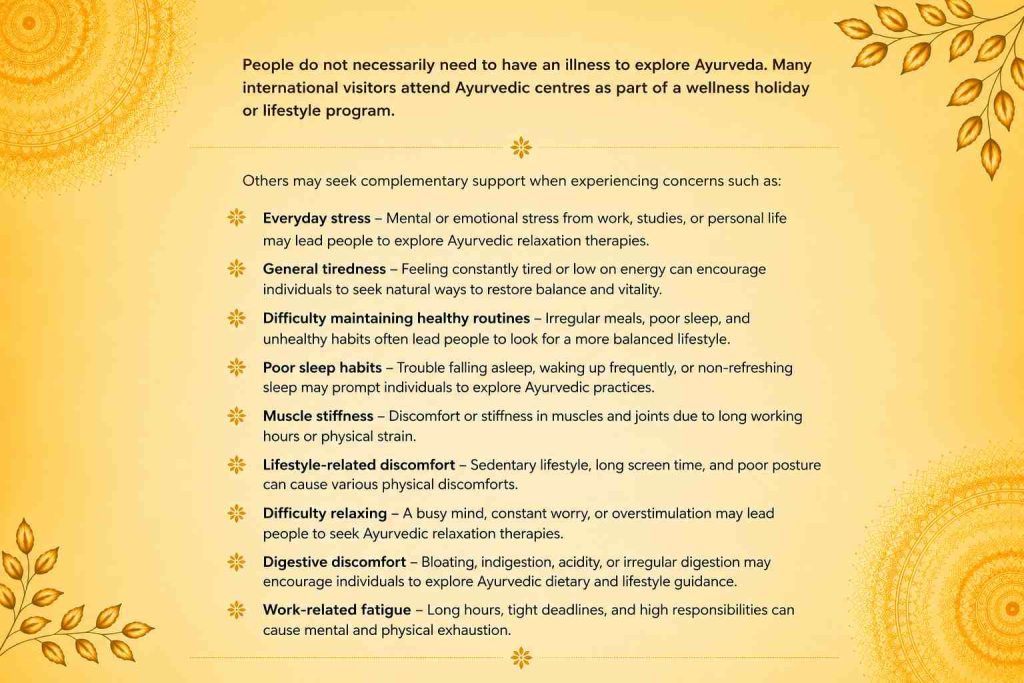
People do not necessarily need to have an illness to explore Ayurveda. Many international visitors attend Ayurvedic centres as part of a wellness holiday or lifestyle program.
Others may seek complementary support when experiencing concerns such as:
- Everyday stress
- General tiredness
- Difficulty maintaining healthy routines
- Poor sleep habits
- Muscle stiffness
- Lifestyle-related discomfort
- Difficulty relaxing
- Digestive discomfort
- Work-related fatigue
These symptoms can also occur because of underlying medical conditions.
Persistent, severe, unexplained, or worsening symptoms should therefore be evaluated by an appropriate medical professional rather than being assumed to represent an Ayurvedic imbalance.
6. 9 Benefits of Kerala Ayurveda for Natural Healing
The attraction of Kerala Ayurveda for Natural Healing extends beyond individual treatments. The overall wellness environment can encourage people to temporarily move away from demanding routines and concentrate on rest, diet, movement, and self-care.
1. Personalized Wellness Approach
Traditional Ayurveda emphasizes individual assessment rather than assuming that one routine is suitable for everybody.
Recommendations may differ according to lifestyle, age, traditional constitutional assessment, diet, sleep patterns, and wellness objectives.
2. Structured Daily Routine
Modern lifestyles can involve irregular meals, inadequate rest, long working hours, and constant digital stimulation.
Ayurvedic retreats frequently provide structured schedules for meals, treatments, rest, and movement.
This routine can encourage healthier everyday habits.
3. Relaxation-Focused Therapies
Oil massage, quiet treatment environments, meditation, and structured rest periods may help create a sense of relaxation.
For German visitors taking time away from demanding professional schedules, this can be an important part of the wellness experience.
4. Greater Attention to Diet
Food is an important component of traditional Ayurveda.
Ayurvedic programs may recommend simple meals based on the individual’s traditional assessment and program requirements.
This can encourage visitors to become more conscious of meal timing, food choices, and eating habits.
5. Mind-Body Wellness
Ayurveda traditionally considers physical and mental wellbeing interconnected.
Yoga, breathing practices, meditation, massage, and relaxation may therefore be incorporated into a broader wellness schedule.
6. Emphasis on Lifestyle Habits
Kerala Ayurveda for Natural Healing often extends beyond the treatment room.
People may receive recommendations concerning sleep, meals, exercise, rest, and daily routines that they can consider after returning home.
7. Traditional Herbal Practices
Herbs and herbal preparations have an important place in Ayurveda.
However, natural does not automatically mean risk-free. Herbal products can produce adverse effects or interact with medicines.
Visitors should disclose medications, allergies, pregnancy, medical conditions, and supplements before using herbal preparations.
8. Opportunity for Rest
Travelling specifically for a wellness program can create dedicated time for recovery from demanding everyday routines.
A quieter schedule may allow people to focus more closely on sleep, relaxation, movement, and meals.
9. Connection With an Established Tradition
For German patients interested in traditional practices, experiencing Ayurveda in Kerala provides cultural context that may be difficult to recreate through isolated treatments elsewhere.
7. Kerala Ayurveda for Natural Healing and German Wellness Preferences
Germany has a strong wellness and spa culture, and many people are familiar with concepts such as preventive health, rehabilitation, physical therapies, natural environments, and structured wellness programs.
This can make some aspects of Ayurveda relatively understandable to German wellness travellers.
Nevertheless, Ayurvedic concepts and modern medicine operate within different frameworks.
A responsible approach does not require choosing one and rejecting the other.
Someone receiving medical treatment in Germany should discuss significant dietary changes, herbal medicines, fasting, or intensive Ayurvedic procedures with an appropriate healthcare professional, particularly when managing a chronic disease.
8. The Role of Ayurvedic Diet and Lifestyle
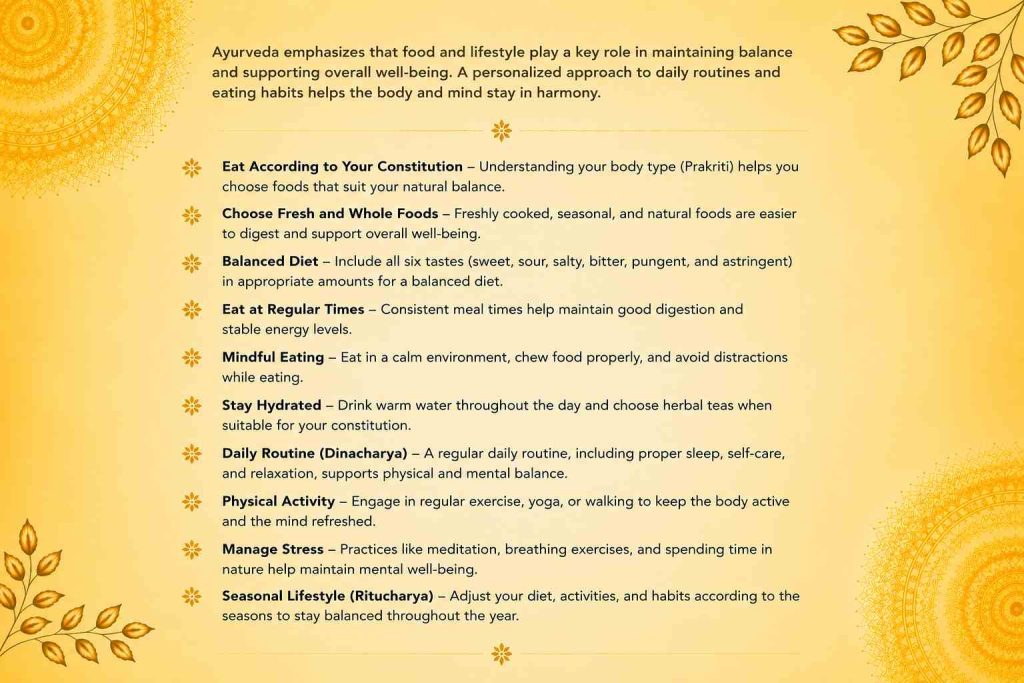
Diet is an important part of Kerala Ayurveda for Natural Healing.
Traditional recommendations may consider the person’s constitution, current imbalance, appetite, digestion, climate, season, and treatment program.
Meals in wellness programs may include simple preparations featuring:
- Rice
- Vegetables
- Lentils
- Herbs
- Spices
- Soups
- Cooked foods
- Traditional preparations
Dietary recommendations should still account for allergies, nutritional requirements, diabetes, gastrointestinal conditions, medications, and other medical considerations.
Daily Lifestyle Practices
Ayurveda may also encourage consistent daily habits.
These can include regular waking and sleeping times, appropriate physical activity, mindful eating, adequate rest, and relaxation practices.
For many international visitors, these practical habits can be among the most transferable elements of an Ayurvedic retreat.
9. Ayurveda, Yoga, and Meditation
Yoga and Ayurveda developed within related Indian philosophical traditions, although they are distinct systems.
Many Kerala wellness programs combine Ayurvedic therapies with gentle yoga, breathing exercises, or meditation.
These practices can provide a structured opportunity to slow down and focus attention on physical and mental wellbeing.
Beginners should choose activities suitable for their physical ability.
People with injuries, cardiovascular problems, recent surgery, pregnancy, mobility limitations, or other medical concerns should obtain appropriate guidance before undertaking demanding yoga practices.
10. How Ayurvedic Treatment Programs Are Usually Planned
A structured Kerala Ayurveda for Natural Healing program commonly begins with an assessment.
The practitioner may ask about:
- Current concerns
- Previous illnesses
- Sleep
- Appetite
- Digestion
- Daily routine
- Physical activity
- Stress
- Diet
- Current medications
Traditional Ayurvedic assessment may then be used to determine a proposed wellness plan.
Depending on the centre and the visitor’s goals, the program may include massage, oil applications, dietary recommendations, yoga, meditation, herbal preparations, or other traditional therapies.
Programs can range from short wellness experiences to longer residential schedules.
Longer or intensive programs require particularly careful consideration when a person has existing health conditions.
11. Safety Considerations for German Patients
Safety should remain a priority when considering Kerala Ayurveda for Natural Healing.
Before starting a program, international visitors should provide accurate information about their health.
Important information includes:
- Prescription medicines
- Over-the-counter medicines
- Supplements
- Allergies
- Previous surgeries
- Pregnancy
- Diabetes
- Cardiovascular conditions
- Kidney or liver problems
- Other diagnosed conditions
Do not stop prescribed medication simply because an Ayurvedic program has started unless the prescribing medical professional advises the change.
Herbal preparations also deserve careful consideration because some may interact with conventional medicines.
12. How to Choose a Responsible Ayurvedic Centre
The quality of Ayurvedic services can vary considerably.
German patients considering treatment abroad should evaluate a provider carefully rather than selecting a centre solely based on attractive photographs, testimonials, or low prices.
Look for clear information regarding:
- Practitioner qualifications
- Treatment procedures
- Hygiene standards
- Initial assessment
- Patient safety
- Herbal products
- Treatment duration
- Costs
- Contraindications
- Emergency procedures
- Communication for international patients
A responsible provider should also be willing to explain when an Ayurvedic therapy is inappropriate.
Be cautious about centres making unrealistic claims that Ayurveda can guarantee cures for serious diseases.
13. Tips for Following Kerala Ayurvedic Principles Safely
People interested in incorporating Ayurvedic principles into everyday life do not necessarily need to adopt complicated routines.
Start with practical habits that are compatible with your individual health needs.
Consider the following:
- Maintain regular sleeping hours.
- Eat balanced meals at consistent times.
- Stay appropriately hydrated.
- Include suitable physical activity.
- Allow sufficient time for rest.
- Use relaxation techniques.
- Avoid unnecessary herbal products.
- Discuss supplements with healthcare professionals.
- Follow prescribed medical treatment.
- Seek medical assessment for persistent symptoms.
The objective should be sustainable wellbeing rather than extreme dietary restrictions, fasting, or unverified remedies.
14. Preparing for an Ayurvedic Wellness Trip From Germany
Planning is particularly important when travelling internationally for Ayurveda.
Before departure, collect relevant health information and make sure you have enough prescribed medication for the trip.
It can be useful to carry:
- A current medication list
- Relevant medical records
- Allergy information
- Travel insurance documents
- Emergency contact information
- Comfortable clothing
- Copies of prescriptions
Ask the Ayurvedic centre what treatments are planned and whether any preparation is required before arrival.
If intensive procedures are proposed, understand their purpose, duration, possible discomfort, restrictions, and potential risks before agreeing.
15. What Results Should Patients Expect
Expectations surrounding Kerala Ayurveda for Natural Healing should remain realistic.
Individual experiences vary.
Some visitors may primarily value relaxation, structured routines, massage, meditation, and time away from daily stress. Others may find that the experience encourages them to reconsider their sleep, diet, exercise, or work-life habits.
Ayurveda should not be presented as a guaranteed cure.
Claims involving the treatment of diseases require appropriate clinical evidence, and serious symptoms should always receive proper medical assessment.
A useful wellness experience is one that supports sensible and sustainable habits without discouraging necessary conventional healthcare.
Conclusion
German interest in Kerala Ayurveda for Natural Healing reflects a broader desire for wellness approaches that consider lifestyle, rest, diet, movement, and mental wellbeing together. Kerala’s traditional therapies, herbal oil practices, massage, yoga, meditation, and structured routines can offer a distinctive wellness experience when approached responsibly.
The most sensible approach combines cultural appreciation with realistic expectations and appropriate medical guidance. German visitors considering an Ayurvedic program in Thiruvananthapuram should choose responsible providers, disclose existing health conditions and medicines, and view traditional wellness practices as complementary to necessary evidence-based healthcare. For reliable information about traditional Ayurveda and its uses, visit the National Center for Complementary and Integrative Health (NCCIH) Ayurveda guide.
Frequently Asked Questions
Why do German patients choose Kerala Ayurveda for natural healing?
German patients may choose Kerala Ayurveda for natural healing because of its traditional wellness approach, personalized routines, herbal oil therapies, massage, yoga, dietary guidance, and focus on overall physical and mental wellbeing.
What is Kerala Ayurveda for natural healing?
Kerala Ayurveda for natural healing refers to traditional Ayurvedic wellness practices associated with Kerala, including herbal oil therapies, massage, dietary guidance, yoga, meditation, relaxation practices, and lifestyle recommendations.
What Ayurvedic therapies are commonly available in Kerala?
Common traditional therapies may include Abhyanga, Shirodhara, Kizhi, Pizhichil, and selected Panchakarma procedures. The appropriate therapy depends on an individual's health, wellness goals, and professional assessment.
How long does a Kerala Ayurveda wellness program usually take?
The duration varies according to the type of program and individual wellness goals. Some programs last only a few days, while structured residential Ayurvedic programs may continue for several weeks.
What is Panchakarma in Kerala Ayurveda?
Panchakarma refers to a group of classical Ayurvedic procedures traditionally used within individualized treatment programs. Some procedures can be intensive, so appropriate assessment and professional supervision are important.
Can Ayurvedic herbs interact with prescription medicines?
Yes. Certain Ayurvedic herbs and preparations may interact with prescription medicines or cause unwanted effects. Patients should disclose their medications, supplements, allergies, and existing medical conditions before using herbal products.
Is Ayurvedic massage suitable for everyone?
Ayurvedic massage may not be appropriate for everyone. Pregnancy, recent surgery, injuries, certain skin conditions, cardiovascular concerns, and other medical conditions may require modifications or avoidance of particular therapies.
Does Kerala Ayurveda include yoga and meditation?
Many Kerala Ayurveda wellness programs incorporate yoga, breathing exercises, meditation, or relaxation practices alongside traditional therapies. The activities offered vary between centres and should be appropriate for the individual's physical condition.
What should German patients check before choosing an Ayurvedic centre?
German patients should consider practitioner qualifications, hygiene standards, treatment procedures, herbal products, program duration, costs, contraindications, communication facilities, and arrangements for managing medical emergencies.
Can Kerala Ayurveda replace conventional medical treatment?
Ayurveda should not automatically replace necessary conventional medical care. People with diagnosed conditions or persistent symptoms should seek appropriate medical advice and should not stop prescribed medicines without consulting the healthcare professional responsible for their treatment.
Call Now
+91 7356 445 553
+91 8921 442 253
We Welcome You
Vandithadam, Pachaloor P.O,
Thiruvananthapuram,
kovalam, kerala India
Sent Email
info@sivasoorya.org




Connect with Kerala’s Leading Ayurveda Centre for treatment enquiries, Panchakarma scheduling, wellness retreat packages, or customised Ayurvedic guidance. Our skilled Ayurvedic specialists and support team assist guests from India and abroad with trusted insights, professional care, and well-defined recommendations for lasting healing.
Quick Link
Services

