


Recurrent anal fistula can be frustrating and uncomfortable, particularly for individuals who continue to experience persistent discharge, pain, repeated infections, or recurrence even after previous treatment. This often leads patients to ask, Is Ksharasutra Effective for Recurrent Fistula? As a specialized Ayurvedic para-surgical procedure, Ksharasutra is widely used to manage recurrent fistula-in-ano through a minimally invasive approach that focuses on gradual healing rather than extensive surgical excision.
The effectiveness of Ksharasutra depends on factors such as the complexity of the fistula, previous treatments, and the patient’s overall health. If you are wondering Is Ksharasutra Effective for Recurrent Fistula?, this guide explains how the treatment works, why fistulas may recur, who may be suitable for Ksharasutra therapy, and what to expect throughout the treatment and recovery process.
Understanding Recurrent Anal Fistula
An anal fistula is a small abnormal tunnel that develops between the anal canal and the skin surrounding the anus. It usually forms after an anal abscess, where infection creates a tract connecting the internal opening to the outer skin.
Although many fistulas are successfully treated, some may return even after surgery or other procedures. This is known as a recurrent fistula.
Patients with recurrent fistulas often experience:
- Persistent discharge
- Repeated swelling
- Pain around the anal region
- Recurrent infections
- Skin irritation
- Difficulty sitting comfortably
For many patients, repeated recurrence raises the important question: Is Ksharasutra Effective for Recurrent Fistula? Understanding the underlying cause of recurrence helps determine the most appropriate treatment strategy.
Why Does an Anal Fistula Recur?
Several factors may contribute to fistula recurrence.
Incomplete Healing
If the entire fistula tract does not heal properly, residual infected tissue may continue to cause symptoms.
Complex Fistula Tracts
Some fistulas branch into multiple channels, making complete treatment more challenging.
Ongoing Infection
Persistent infection within the tract can delay healing and increase the likelihood of recurrence.
Underlying Medical Conditions
Certain digestive or inflammatory disorders may affect healing and increase recurrence risk.
Delayed Treatment
Ignoring symptoms for an extended period may allow the fistula tract to become larger or more complex.
Understanding these factors helps answer the question, Is Ksharasutra Effective for Recurrent Fistula?, because successful treatment depends on addressing both the fistula tract and the underlying cause.
Is Ksharasutra Effective for Recurrent Fistula?
One of the main reasons Ksharasutra has remained an established Ayurvedic treatment is its ability to gradually treat the fistula tract while encouraging simultaneous healing.
Instead of removing large amounts of tissue, the procedure uses a specially prepared medicated thread that is carefully placed through the fistula tract.
The treatment works by supporting three important processes:
Controlled Removal of Diseased Tissue
The medicated thread gradually cuts through unhealthy tissue in a controlled manner.
Continuous Cleansing
Herbal alkaline coatings help maintain cleanliness within the tract throughout treatment.
Simultaneous Healing
As unhealthy tissue is gradually removed, healthy tissue begins repairing itself naturally.
Because of this combined mechanism, many patients ask Is Ksharasutra Effective for Recurrent Fistula? when looking for alternatives to repeated conventional surgery. Suitability depends on careful clinical evaluation and individualized treatment planning.
How Ksharasutra Treatment Works
Ksharasutra follows a structured Ayurvedic para-surgical approach.
The treatment does not rely on extensive surgical removal. Instead, it encourages gradual healing over several weeks.
The process generally includes the following stages.
Initial Clinical Evaluation
An Ayurvedic physician performs a detailed assessment to determine:
- Type of fistula
- Length of the tract
- Previous treatments
- Presence of infection
- Overall health status
This helps determine whether Ksharasutra is an appropriate option.
Identification of the Fistula Tract
The entire tract is carefully evaluated before treatment begins.
Proper assessment helps ensure accurate placement of the medicated thread.
Placement of the Medicated Thread
A specially prepared Ksharasutra thread coated with herbal alkaline medicines is gently passed through the fistula tract.
The thread remains in position while gradually performing its therapeutic action.
Periodic Thread Changes
Unlike a one-time surgical procedure, Ksharasutra requires scheduled follow-up visits.
During these appointments:
- Healing is monitored.
- The thread is replaced when necessary.
- Progress is assessed.
- Adjustments are made according to recovery.
Regular follow-up is an important part of successful treatment.
Progressive Healing
Over time, unhealthy tissue gradually separates while healthy tissue develops behind it.
This controlled healing process is one of the reasons many patients ask, Is Ksharasutra Effective for Recurrent Fistula?
If you would like to learn more about the complete procedure, benefits, recovery process, and suitability of this Ayurvedic para-surgical technique, explore our comprehensive guide on Ksharasutra Treatment.
Who May Be a Suitable Candidate?
Not every patient with an anorectal disorder requires Ksharasutra treatment.
A detailed evaluation helps determine suitability.
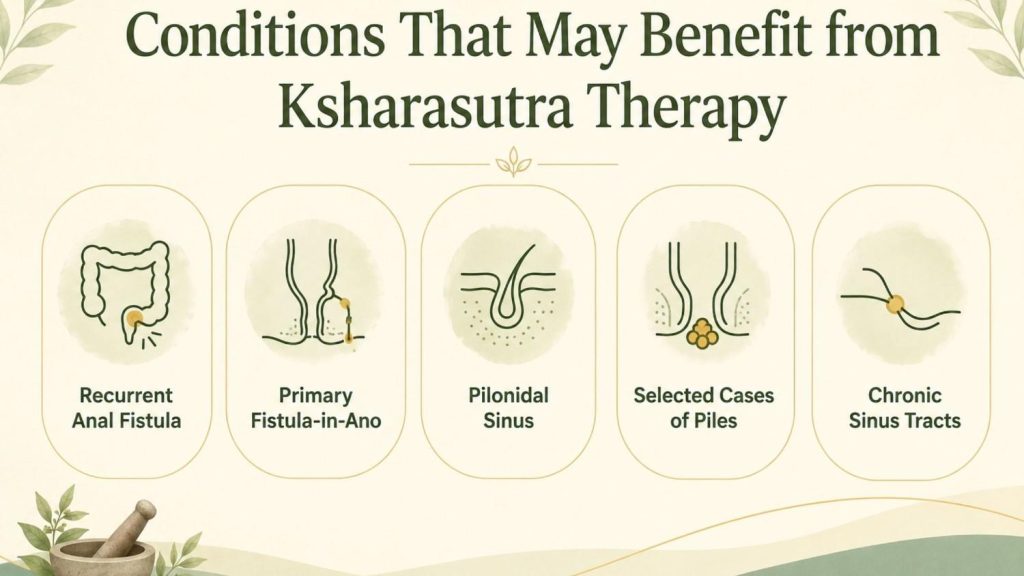
Patients who may benefit include those with:
- Recurrent anal fistula
- Chronic fistula discharge
- Persistent sinus tracts
- Selected cases of piles
- Pilonidal sinus
- Individuals seeking minimally invasive Ayurvedic treatment
If you are asking Is Ksharasutra Effective for Recurrent Fistula?, consulting an experienced Ayurvedic physician is the best way to determine whether the procedure is appropriate for your condition.
Preparing for Ksharasutra Treatment
Proper preparation contributes to a smoother treatment experience.
Patients may receive individualized recommendations before the procedure.
Medical Assessment
A complete clinical evaluation helps identify the most suitable treatment plan.
Medication Review
Patients should discuss:
- Current medications
- Previous surgeries
- Existing medical conditions
- Allergies
Bowel Preparation
Depending on the condition being treated, specific bowel preparation instructions may be provided.
Lifestyle Guidance
Patients may be advised regarding:
- Diet
- Hydration
- Hygiene
- Physical activity
Following these recommendations supports a successful treatment process.
What Happens During the Procedure
Understanding the procedure often helps reduce anxiety before treatment.
The process generally includes:
Step 1: Clinical Examination
The physician examines the fistula tract and confirms treatment suitability.
Step 2: Local Preparation
The treatment area is prepared using appropriate aseptic techniques.
Step 3: Placement of the Ksharasutra
The medicated thread is carefully introduced into the fistula tract.
Step 4: Completion of the Procedure
The thread remains in position to begin its gradual therapeutic action.
Patients usually receive detailed instructions regarding:
- Personal hygiene
- Activity levels
- Follow-up appointments
- Diet
- Pain management
Regular monitoring plays a significant role in successful healing.
Factors That Influence Treatment Success
The effectiveness of Ksharasutra treatment depends on several clinical and lifestyle factors. While many patients ask, Is Ksharasutra Effective for Recurrent Fistula?, the outcome is influenced not only by the procedure itself but also by proper patient selection and consistent follow-up care.
Length and Complexity of the Fistula
Simple fistulas often heal more quickly than long or branching fistula tracts. Complex fistulas may require a longer treatment period and additional follow-up sessions.
Presence of Infection
Active infection can slow the healing process. Proper drainage, hygiene, and medical supervision help create a healthier environment for tissue repair.
Individual Healing Response
Every individual heals at a different pace. Factors such as age, overall health, nutrition, and immune function can influence recovery.
Regular Thread Changes
One of the most important aspects of Ksharasutra therapy is timely replacement of the medicated thread. Consistent follow-up appointments allow the treatment to progress safely and effectively.
Following Medical Advice
Patients who follow dietary recommendations, hygiene practices, and scheduled follow-up visits often experience a smoother recovery.
Benefits of Ksharasutra for Recurrent Fistula
Many patients exploring Ayurvedic treatment options want to know, Is Ksharasutra Effective for Recurrent Fistula? One reason the procedure remains widely practiced is because it offers several potential advantages when performed in appropriately selected cases.
Minimally Invasive Approach
Unlike extensive surgical procedures, Ksharasutra generally avoids large incisions while treating the fistula tract gradually.
Controlled Healing
The medicated thread allows diseased tissue to be treated progressively while healthy tissue heals simultaneously.
Preservation of Healthy Tissue
The treatment primarily targets the affected tract, helping preserve the surrounding healthy tissues.
Reduced Hospital Stay
Many patients can return home shortly after the procedure and continue treatment through scheduled outpatient follow-up visits.
Suitable for Selected Recurrent Cases
Patients with recurrent fistulas may be evaluated to determine whether Ksharasutra offers an appropriate treatment option.
Ayurvedic Therapeutic Principles
The treatment combines traditional Ayurvedic knowledge with a structured para-surgical technique that has been practiced for many years.
Gradual Recovery Process
Healing occurs progressively, allowing continuous monitoring throughout the treatment period.
Recovery After Ksharasutra Treatment
Recovery is an important part of successful treatment.
The healing period varies depending on:
- Length of the fistula tract
- Severity of the condition
- Presence of infection
- Individual healing response
- Regularity of follow-up visits
Patients asking Is Ksharasutra Effective for Recurrent Fistula? should understand that successful outcomes depend not only on the procedure but also on proper recovery management.
Follow-Up Visits
Scheduled appointments allow the physician to:
- Monitor healing
- Replace the medicated thread
- Assess progress
- Manage any concerns promptly
Hygiene Care
Maintaining cleanliness around the treated area helps reduce irritation and supports healthy healing.
Patients may be advised to:
- Keep the area clean and dry
- Follow prescribed cleansing routines
- Wear comfortable clothing
- Maintain proper personal hygiene
Physical Activity
Most patients are encouraged to remain active while avoiding excessive physical strain.
Heavy lifting and strenuous activities may be restricted until healing progresses.
Diet During Recovery
A healthy digestive system supports smoother bowel movements and reduces unnecessary strain.
Patients are often encouraged to include:
- Whole grains
- Fresh fruits
- Vegetables
- Fiber-rich foods
- Adequate water intake
Maintaining good bowel habits contributes to overall recovery.
Lifestyle Tips to Support Healing
Simple lifestyle modifications can improve comfort throughout treatment.
Eat a Fiber-Rich Diet
Adequate dietary fiber helps promote regular bowel movements and reduces discomfort during recovery.
Stay Hydrated
Drinking sufficient water supports digestion and overall health.
Avoid Excessive Straining
Reducing pressure during bowel movements helps protect the healing tissues.
Maintain Good Hygiene
Proper cleaning of the affected area supports healthy healing and reduces irritation.
Attend Every Follow-Up Appointment
Regular monitoring allows timely thread changes and ensures the treatment continues as planned.
Patients who consistently follow these recommendations often experience better healing outcomes.
Common Myths About Ksharasutra Treatment
Many misconceptions surround Ayurvedic para-surgical procedures.
Understanding the facts helps answer the question, Is Ksharasutra Effective for Recurrent Fistula?
Myth 1: Ksharasutra Is Only Used After Failed Surgery
Fact: Ksharasutra may be considered for both primary and recurrent fistulas depending on clinical evaluation.
Myth 2: Treatment Requires Prolonged Hospitalization
Fact: Many patients can continue treatment through regular outpatient visits.
Myth 3: Recovery Is the Same for Everyone
Fact: Healing varies according to the patient’s condition, fistula complexity, and overall health.
Myth 4: Ayurvedic Treatment Does Not Require Follow-Up
Fact: Regular follow-up visits are one of the most important parts of successful Ksharasutra therapy.
Why Early Evaluation Matters
Many patients delay seeking treatment because symptoms initially appear manageable.
However, untreated fistulas may become more complicated over time.
Early evaluation offers several advantages:
- Timely diagnosis
- Better treatment planning
- Reduced progression of the fistula
- Improved comfort
- Better long-term outcomes
- Appropriate selection of treatment options
If you are wondering Is Ksharasutra Effective for Recurrent Fistula?, consulting an experienced Ayurvedic physician early allows a personalized assessment and treatment plan.
Conclusion
Recurrent anal fistula can significantly affect comfort, daily activities, and overall quality of life. For individuals searching for an effective Ayurvedic treatment option, a common question remains: Is Ksharasutra Effective for Recurrent Fistula? Ksharasutra has long been recognized as a specialized Ayurvedic para-surgical technique that combines controlled tissue management with gradual healing through the use of a medicated thread. When recommended after a thorough clinical evaluation, it may provide an effective treatment approach for selected patients with recurrent fistula, chronic sinus tracts, and certain other anorectal conditions.
Successful outcomes depend on multiple factors, including the complexity of the fistula, timely diagnosis, regular follow-up, proper hygiene, and adherence to medical advice. Choosing an experienced Ayurvedic physician and following a personalized treatment plan can support healthy healing and long-term recovery. Individuals experiencing persistent symptoms should seek professional evaluation to determine whether Ksharasutra therapy is the most suitable option for their condition. For additional details about the effectiveness of Ksharasutra therapy for fistula, refer to the research published by the National Center for Biotechnology Information (NCBI), which discusses the clinical outcomes, treatment principles, and role of Ksharasutra in managing fistula-in-ano.