

Stress has become a common part of modern life. Work pressure, family responsibilities, financial concerns, lack of sleep, and constant digital connectivity can all contribute to mental and physical tension. Many people today are searching for natural methods to manage stress without relying solely on medications. In Thrissur, interest in traditional wellness approaches has increased as individuals seek holistic ways to improve their well-being.
One question that often arises is: can panchakarma help reduce stress naturally. Panchakarma is a traditional Ayurvedic cleansing and rejuvenation process that aims to restore balance in the body and mind. Through a combination of therapies, dietary guidance, and lifestyle practices, it may help individuals feel more relaxed, refreshed, and mentally balanced.
This article explores can panchakarma help reduce stress naturally, its potential benefits, therapies involved, and how it may support overall wellness.
Understanding Stress
Stress is the body’s response to physical, emotional, or mental challenges. While short-term stress can sometimes be helpful, long-term stress may affect overall health and quality of life.
Common sources of stress include:
- Work-related pressure
- Relationship challenges
- Financial concerns
- Health issues
- Lack of sleep
- Busy lifestyles
- Excessive screen time
When stress continues for a prolonged period, it can affect both physical and emotional health.
Common Symptoms of Stress
Stress can present itself in many ways.
Physical Symptoms
- Headaches
- Fatigue
- Muscle tension
- Digestive discomfort
- Sleep disturbances
- Increased heart rate
Emotional Symptoms
- Anxiety
- Irritability
- Mood swings
- Difficulty concentrating
- Feeling overwhelmed
Behavioral Symptoms
- Poor eating habits
- Social withdrawal
- Reduced productivity
- Difficulty managing daily tasks
Understanding these symptoms is important when exploring whether can panchakarma help reduce stress naturally may be relevant for your wellness goals
What Is Panchakarma
Panchakarma is a traditional Ayurvedic purification and rejuvenation process. The term “Panchakarma” means “five actions,” referring to a group of therapies designed to help remove accumulated toxins and restore balance within the body.
Ayurveda views health as a balance between body, mind, and spirit. According to this approach, stress can contribute to imbalances that affect overall wellness.
Panchakarma typically includes:
- Preparatory therapies
- Oil treatments
- Herbal therapies
- Cleansing procedures
- Dietary recommendations
- Lifestyle guidance
The exact therapies may vary depending on individual needs.
Can Panchakarma Help Reduce Stress Naturally
Many people ask, can panchakarma help reduce stress naturally because they want a holistic solution that addresses both physical and mental well-being.
Panchakarma aims to promote relaxation through a structured approach that combines cleansing, nourishment, and restorative therapies. While experiences vary from person to person, many individuals report feeling calmer, more balanced, and mentally refreshed after undergoing Ayurvedic treatments.
Potential ways Panchakarma may support stress management include:
- Encouraging deep relaxation
- Supporting better sleep
- Reducing physical tension
- Promoting mental clarity
- Improving overall wellness
- Encouraging healthier lifestyle habits
How Stress Affects the Body
To understand can panchakarma help reduce stress naturally, it is important to understand how stress affects the body.
Long-term stress may contribute to:
Nervous System Strain
Continuous stress can keep the body in a heightened state of alertness.
Sleep Problems
Stress often interferes with healthy sleep patterns.
Digestive Disturbances
Stress can influence appetite and digestive function.
Reduced Energy
Many individuals experience fatigue and lack of motivation during stressful periods.
Emotional Imbalance
Persistent stress may affect mood, concentration, and emotional stability.
Addressing these concerns through holistic wellness practices may help improve overall quality of life.
Panchakarma Therapies Commonly Associated with Stress Relief
Several Panchakarma-related therapies are often used to encourage relaxation and mental calmness.
Abhyanga
Abhyanga is a full-body massage performed using warm herbal oils.
Potential benefits include:
- Relaxation
- Improved circulation
- Reduced muscle tension
- Enhanced sense of well-being
Shirodhara
Shirodhara involves the gentle pouring of warm herbal oil onto the forehead.
This therapy is commonly associated with:
- Mental relaxation
- Improved focus
- Better sleep quality
- Reduced stress levels
Swedana
Swedana is a therapeutic sweating treatment often performed after oil therapies.
It may help:
- Relax muscles
- Support circulation
- Promote a feeling of lightness
Nasya
Nasya involves administering herbal preparations through the nasal passages under professional guidance.
It is traditionally used to support:
- Mental clarity
- Head and neck wellness
- Overall balance
These therapies are often included when exploring can panchakarma help reduce stress naturally.
Benefits of Panchakarma for Stress Management
1. Encourages Deep Relaxation
Many Panchakarma therapies are designed to calm the nervous system and promote a state of relaxation.
2. Supports Better Sleep
Stress often disrupts sleep. Relaxation-focused therapies may encourage healthier sleep patterns.
3. Helps Reduce Physical Tension
Massage and oil treatments may help relieve muscle tightness associated with stress.
4. Promotes Mental Clarity
Some individuals report improved concentration and focus following Panchakarma treatments.
5. Supports Emotional Balance
The holistic approach of Ayurveda focuses on both physical and emotional wellness.
6. Encourages Healthy Habits
Dietary guidance and lifestyle recommendations may help support long-term wellness.
7. Improves Overall Well-Being
A structured wellness program may contribute to a greater sense of balance and vitality.
Who May Consider Panchakarma
Individuals who may explore Panchakarma include those experiencing:
- Work-related stress
- Mental fatigue
- Sleep difficulties
- Lifestyle imbalance
- Physical tension
- Emotional exhaustion
A professional assessment is usually recommended before starting any Panchakarma program.
Lifestyle Tips to Support Stress Reduction
While discussing can panchakarma help reduce stress naturally, it is important to remember that daily habits also play a significant role.
Maintain a Regular Sleep Schedule
Consistent sleep habits can support mental and physical recovery.
Practice Mindfulness
Simple breathing exercises and meditation may help reduce stress.
Stay Physically Active
Regular movement can contribute to emotional well-being.
Eat Balanced Meals
Nutritious foods support overall health and energy levels.
Limit Screen Time
Reducing excessive digital exposure may help improve mental relaxation.
Stay Hydrated
Adequate hydration supports normal body functions.
Spend Time Outdoors
Nature and fresh air can contribute to a calmer state of mind.
What to Expect During a Panchakarma Program
The experience may vary depending on individual requirements and the specific treatment plan.
A typical Panchakarma process may include:
- Initial consultation
- Health assessment
- Preparatory therapies
- Main cleansing procedures
- Rejuvenation therapies
- Dietary recommendations
- Lifestyle guidance
The duration can vary from a few days to several weeks depending on the program.
Safety Considerations
Panchakarma should generally be performed under qualified Ayurvedic supervision.
Important considerations include:
- Individual health conditions
- Age and overall health status
- Existing medical concerns
- Current medications
A professional evaluation helps determine the most appropriate approach.
Natural Approaches That May Complement Panchakarma
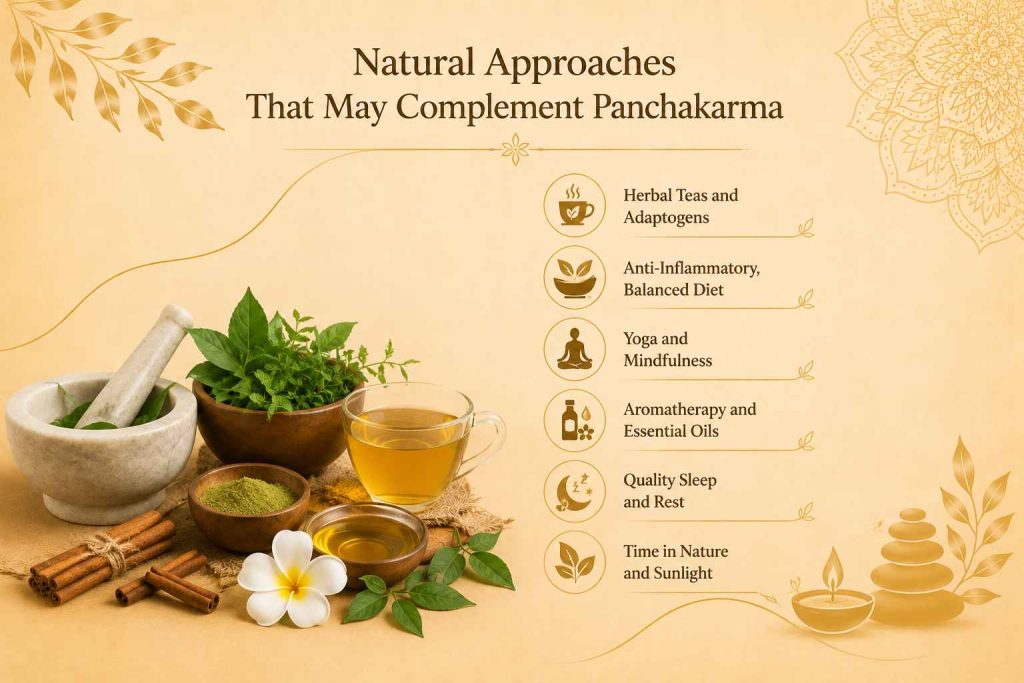
In addition to Panchakarma, individuals may benefit from:
- Yoga
- Meditation
- Deep breathing exercises
- Healthy nutrition
- Regular exercise
- Relaxation techniques
- Adequate sleep
Combining multiple healthy lifestyle practices may provide greater support for stress management.
Conclusion
The question can panchakarma help reduce stress naturally is increasingly relevant as more people seek holistic approaches to wellness. Panchakarma focuses on cleansing, relaxation, rejuvenation, and restoring balance within the body and mind. Through therapies such as Abhyanga, Shirodhara, and other Ayurvedic practices, many individuals explore this traditional system as part of their stress-management routine.
While results vary from person to person, Panchakarma is often viewed as a comprehensive wellness approach that may support relaxation, improved sleep, mental clarity, and overall well-being. For those interested in natural stress-management strategies in Thrissur, consulting a qualified Ayurvedic practitioner can help determine whether Panchakarma is appropriate for their individual needs. Further information on stress, wellness, and health research is available through the National Institute of Health (NIH) .
Frequently Asked Questions
Can panchakarma help reduce stress naturally
Panchakarma is traditionally used to promote relaxation, balance, and overall well-being, which may help support stress management.
What is Panchakarma
Panchakarma is a traditional Ayurvedic cleansing and rejuvenation process involving specialized therapies and lifestyle guidance.
How long does Panchakarma treatment take
Programs may range from a few days to several weeks depending on individual needs.
Is Panchakarma painful
Most therapies are designed to be comfortable and relaxing when performed by trained professionals.
Can Panchakarma improve sleep
Many individuals report improved relaxation and sleep quality after treatment.
What therapies are commonly used in Panchakarma
Abhyanga, Shirodhara, Swedana, and Nasya are among the commonly used therapies.
Is Panchakarma suitable for everyone
Suitability depends on individual health conditions and should be assessed by a qualified practitioner.
Can Panchakarma help with mental fatigue
Many people seek Panchakarma to support relaxation and reduce feelings of mental exhaustion.
Do I need dietary changes during Panchakarma
Dietary recommendations are often included as part of the overall treatment program.
How often can Panchakarma be done
The frequency varies based on individual health goals and professional recommendations.