Ayurvedic Treatment Hospital in Kerala, India, Ayurveda Resort, Doctor
THE BEST AYURVEDIC TREATMENT CENTRE AND HOSPITAL IN KERALA, INDIA | SINCE 1965

THE BEST AYURVEDIC TREATMENT CENTRE AND HOSPITAL IN KERALA, INDIA | SINCE 1965

Panchakarma Treatment Procedure
The modern lifestyle often places heavy stress on the body and mind. Poor eating habits, irregular sleep, emotional stress, pollution, and lack of physical activity may gradually affect digestion, energy, immunity, and emotional wellbeing. This is one reason why many wellness seekers are now exploring the panchakarma treatment procedure as a natural Ayurvedic approach for detoxification and rejuvenation.
Panchakarma is one of the most important detox therapies in Ayurveda. It is designed to cleanse the body deeply while helping restore internal balance through herbal treatments, massage therapies, steam applications, dietary regulation, and lifestyle guidance. Unlike temporary wellness routines, the panchakarma treatment procedure follows a structured and personalized healing process that supports long-term wellbeing naturally.
Ayurveda considers toxin accumulation, also known as “Ama,” as one of the major reasons for imbalance in the body. Panchakarma aims to remove these toxins while supporting digestion, circulation, relaxation, and mental clarity through carefully planned therapies.
What Is Panchakarma?
Panchakarma is a traditional Ayurvedic detoxification system that focuses on cleansing and rejuvenating the body. The word “Panchakarma” translates to “five actions,” referring to the five primary purification therapies used in Ayurveda.
The panchakarma treatment procedure is generally divided into three important phases:
- Preparation phase
- Main detoxification phase
- Rejuvenation phase
Each stage plays a unique role in supporting natural cleansing and restoring balance.
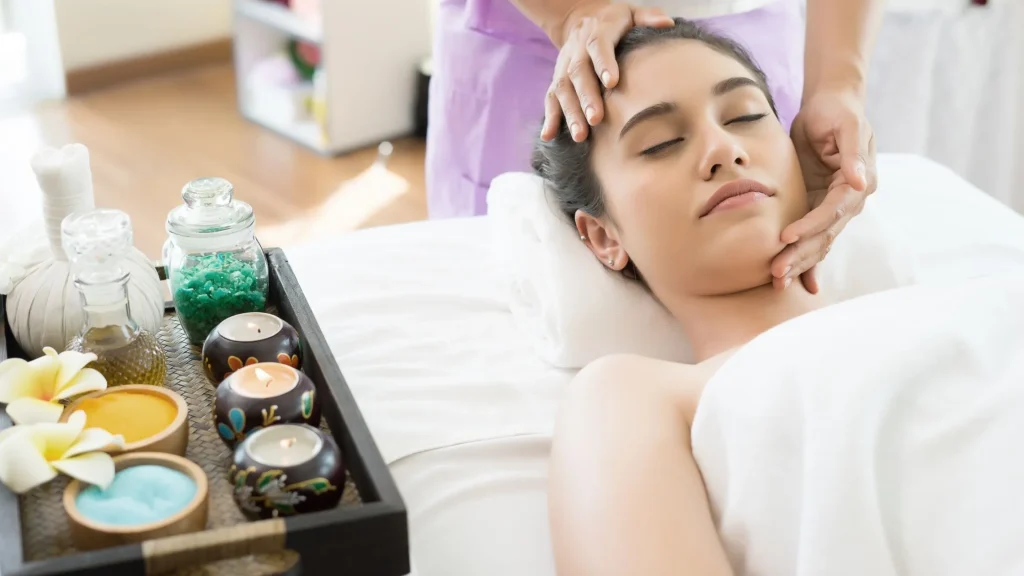
Why the Panchakarma Treatment Procedure Is Important
Modern lifestyle habits such as unhealthy eating patterns, emotional stress, irregular sleep, lack of physical activity, and environmental exposure may gradually affect overall wellbeing. Over time, these factors can contribute to digestive imbalance, constant fatigue, sleep disturbances, body stiffness, low energy levels, skin dullness, and poor concentration. These imbalances may also affect emotional health and daily productivity.
The panchakarma treatment procedure is designed to support the body’s natural detoxification process while helping restore internal balance through traditional Ayurvedic therapies. Rather than focusing only on temporary relief, Panchakarma aims to cleanse accumulated toxins and support healthier physical, mental, and emotional wellbeing naturally.
Many individuals explore Panchakarma as part of a holistic wellness routine for natural detoxification, stress management, improved digestion, emotional relaxation, lifestyle balance, and rejuvenation support. The combination of herbal therapies, relaxation techniques, dietary guidance, and mindful routines makes Panchakarma a widely recognized Ayurvedic approach for supporting long-term wellness.
1. Initial Consultation in Panchakarma Treatment Procedure
The first step in the panchakarma treatment procedure is a detailed Ayurvedic consultation. This stage is important because every individual has a different body constitution, lifestyle pattern, digestive strength, and wellness condition.
During the consultation, Ayurvedic practitioners may evaluate:
- Lifestyle habits
- Sleep quality
- Digestive health
- Emotional wellbeing
- Stress levels
- Physical discomforts
Based on the assessment, a personalized Panchakarma plan is prepared. This individualized approach is considered one of the core strengths of Ayurveda because therapies are selected according to the person’s specific needs rather than using the same treatment for everyone.
The consultation stage also helps determine the duration and intensity of detoxification therapies.
2. Preparation Phase of Panchakarma Treatment Procedure
The preparation stage is known as Purvakarma. This phase helps prepare the body for deeper cleansing therapies.
The panchakarma treatment procedure usually begins with therapies that loosen toxins stored inside body tissues and move them toward the digestive system for elimination.
This stage mainly includes:
- Herbal oil therapies
- Internal oleation
- Steam treatments
- Digestive preparation
The preparation phase is considered essential because it helps improve the effectiveness of the detoxification process.
3. Snehana Therapy in Panchakarma Treatment Procedure
Snehana is an important oil therapy used during the panchakarma treatment procedure. This therapy involves the application or intake of medicated herbal oils selected according to body constitution and treatment goals.
Herbal oil massage therapies may help:
- Lubricate body tissues
- Relax muscles
- Improve circulation
- Reduce body stiffness
- Support detoxification
Snehana is often deeply calming and relaxing. Many individuals experience physical comfort and emotional relaxation during this stage.
Ayurveda considers oil therapy important because it helps prepare the body for deeper cleansing by loosening toxins accumulated in tissues.
4. Swedana Therapy in Panchakarma Treatment Procedure
Swedana refers to herbal steam therapy used during the preparation stage of Panchakarma.
During this therapy, herbal steam is applied to encourage sweating and open body channels. This process supports toxin release and improves circulation.
The panchakarma treatment procedure often includes Swedana after oil therapy because the combination may help improve detoxification support.
Swedana may help:
- Relax muscles
- Improve flexibility
- Reduce heaviness
- Support circulation
- Encourage toxin elimination
The therapy is generally calming and may help the body feel lighter and more relaxed.
5. Main Detoxification Therapies in Panchakarma Treatment Procedure
The central phase of the panchakarma treatment procedure involves the main detoxification therapies used in Ayurveda.
These therapies are selected according to the individual’s dosha imbalance and wellness requirements.
Vamana Therapy
Vamana is a controlled therapeutic cleansing process traditionally used for reducing excess Kapha imbalance.
This therapy may support:
- Respiratory wellness
- Digestive cleansing
- Removal of excess mucus
Virechana Therapy
Virechana is a therapeutic purgation process used to support digestive and liver cleansing.
This therapy may help:
- Improve digestion
- Support skin wellness
- Reduce internal imbalance
Basti Therapy
Basti is one of the most important therapies in the panchakarma treatment procedure.
It involves the use of herbal oils or decoctions through specialized cleansing methods.
This therapy may support:
- Colon cleansing
- Nervous system balance
- Joint comfort
- Muscle relaxation
Nasya Therapy
Nasya involves applying herbal oils through the nasal passages.
This therapy may help support:
- Sinus wellness
- Mental clarity
- Head and neck balance
- Relaxation
Raktamokshana
Raktamokshana is a traditional purification therapy selectively used in specific Ayurvedic practices under professional supervision.
6. Diet and Lifestyle During Panchakarma Treatment Procedure
Diet and lifestyle management are important parts of the panchakarma treatment procedure.
Ayurveda recommends simple and easily digestible meals during detoxification because proper digestion is considered essential for healing and balance.
The recommended diet may include:
- Warm herbal drinks
- Light vegetarian meals
- Freshly prepared foods
- Proper hydration
Heavy foods, processed meals, fried foods, and cold beverages are usually avoided during Panchakarma.
Lifestyle support during Panchakarma may also include:
- Meditation
- Gentle yoga
- Proper sleep
- Reduced stress
- Emotional relaxation
People are generally encouraged to avoid excessive physical activity, mental overwork, and irregular routines during detoxification.
These supportive habits may help improve the effectiveness of Panchakarma therapies.
7. Rejuvenation Phase After Panchakarma Treatment Procedure
After detoxification is completed, the body enters the rejuvenation stage called Paschatkarma.
This stage focuses on helping the body regain strength and stability after cleansing therapies.
The rejuvenation phase may include:
- Nourishing therapies
- Herbal support
- Relaxation practices
- Yoga sessions
- Meditation
- Gradual dietary strengthening
The body may feel sensitive immediately after detoxification, so this stage is important for restoring energy gradually and maintaining internal balance.
The panchakarma treatment procedure is considered incomplete without proper rejuvenation and recovery support.
8. Long-Term Wellness Support After Panchakarma Treatment Procedure
The final healing step focuses on maintaining the benefits of Panchakarma through healthier lifestyle habits and wellness routines.
Many individuals continue supportive practices such as:
- Balanced diet routines
- Proper hydration
- Yoga and stretching
- Meditation
- Stress management
- Better sleep habits
The panchakarma treatment procedure is not only about temporary cleansing. Ayurveda encourages long-term balance through mindful living and healthy daily routines.
Maintaining these supportive habits may help individuals continue feeling lighter, calmer, and more balanced after completing the detoxification process.
Benefits of Panchakarma Treatment Procedure
Many people explore the panchakarma treatment procedure because of its holistic wellness approach.
Potential wellness benefits may include:
- Better digestion
- Stress reduction
- Improved sleep quality
- Enhanced energy levels
- Emotional relaxation
- Improved flexibility
- Skin rejuvenation
- Mental clarity
Experiences may vary depending on lifestyle, body constitution, and therapy duration.
Panchakarma and Emotional Wellbeing
Ayurveda recognizes the strong connection between physical and emotional health.
The panchakarma treatment procedure often includes therapies designed to calm the nervous system naturally and support emotional balance.
Relaxation-focused therapies such as:
- Abhyanga
- Shirodhara
- Meditation
- Breathing exercises
may help improve emotional wellbeing and mental calmness naturally.
Many individuals report feeling mentally refreshed and emotionally lighter after completing Panchakarma programs.
Conclusion
The panchakarma treatment procedure is a structured Ayurvedic detoxification and rejuvenation system designed to support natural healing and internal balance. Through personalized therapies, herbal treatments, detoxification methods, dietary support, and mindful lifestyle routines, Panchakarma continues to remain one of the most respected wellness approaches in Ayurveda.
Many individuals explore the panchakarma treatment procedure to improve digestion, reduce stress, support emotional wellbeing, enhance energy levels, and encourage healthier lifestyle habits naturally.
To learn more about Ayurveda and holistic wellness practices, visit National Center for Complementary and Integrative Health
Frequently Asked Questions
1. What is the Panchakarma treatment procedure?
2. How long does the Panchakarma treatment procedure take?
3. Is the Panchakarma treatment procedure suitable for stress management?
4. What therapies are included in the Panchakarma treatment procedure?
5. Does Panchakarma help improve digestion?
6. Is a special diet followed during Panchakarma?
7. Can Panchakarma improve sleep quality?
8. Who can consider the Panchakarma treatment procedure?
9. What should be avoided during Panchakarma treatment?
10. What happens after completing the Panchakarma treatment procedure?
Call Now
+91 7356 445 553
+91 8921 442 253
We Welcome You
Vandithadam, Pachaloor P.O,
Thiruvananthapuram,
kovalam, kerala India
Sent Email
info@sivasoorya.org


Connect with Kerala’s Leading Ayurveda Centre for treatment enquiries, Panchakarma scheduling, wellness retreat packages, or customised Ayurvedic guidance. Our skilled Ayurvedic specialists and support team assist guests from India and abroad with trusted insights, professional care, and well-defined recommendations for lasting healing.