Ayurvedic Treatment Hospital in Kerala, India, Ayurveda Resort, Doctor
THE BEST AYURVEDIC TREATMENT CENTRE AND HOSPITAL IN KERALA, INDIA | SINCE 1965

THE BEST AYURVEDIC TREATMENT CENTRE AND HOSPITAL IN KERALA, INDIA | SINCE 1965

Ksharasutra Treatment Procedure: Step-by-Step Guide to Ayurvedic Fistula Management
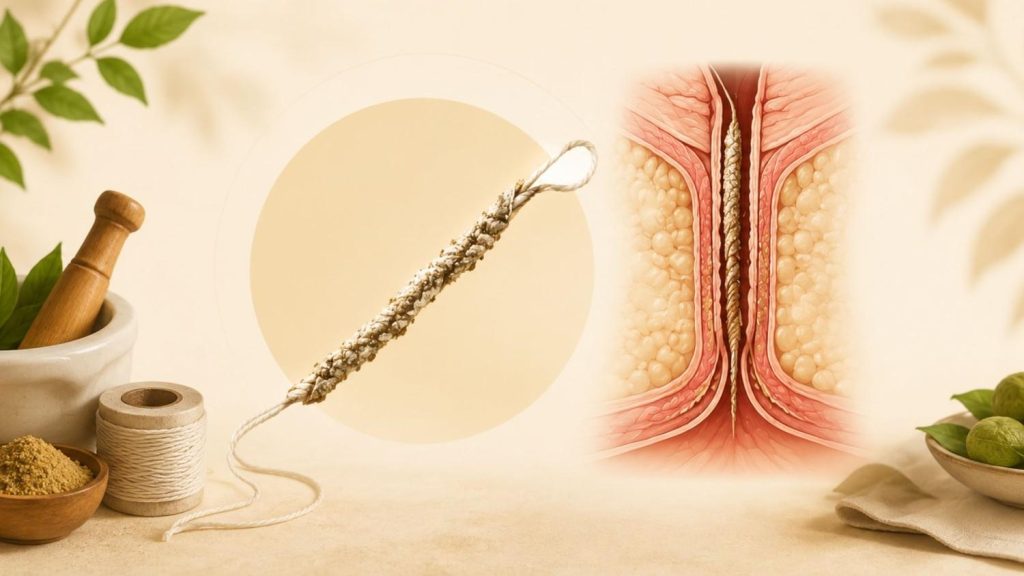
Ksharasutra therapy is one of the most recognized Ayurvedic para-surgical treatments used for managing anorectal conditions such as fistula-in-ano, certain types of piles, pilonidal sinus, and chronic sinus tracts. Individuals considering this treatment often want to understand the Ksharasutra Treatment Procedure, how it is performed, what to expect during recovery, and why it continues to be widely used in Ayurvedic practice.
The Ksharasutra Treatment Procedure combines traditional Ayurvedic principles with a minimally invasive approach that focuses on controlled healing, tissue cleansing, and gradual recovery. Understanding the procedure can help patients feel more confident and informed before starting treatment.
What Is Ksharasutra Therapy?
Ksharasutra is a specialized medicated thread coated with herbal alkaline substances and medicinal ingredients. The thread is carefully placed within the affected tract to facilitate gradual cutting, drainage, cleansing, and healing.
The treatment is commonly used for:
- Anal fistula
- Certain types of piles
- Pilonidal sinus
- Chronic sinus tracts
- Recurrent anorectal disorders
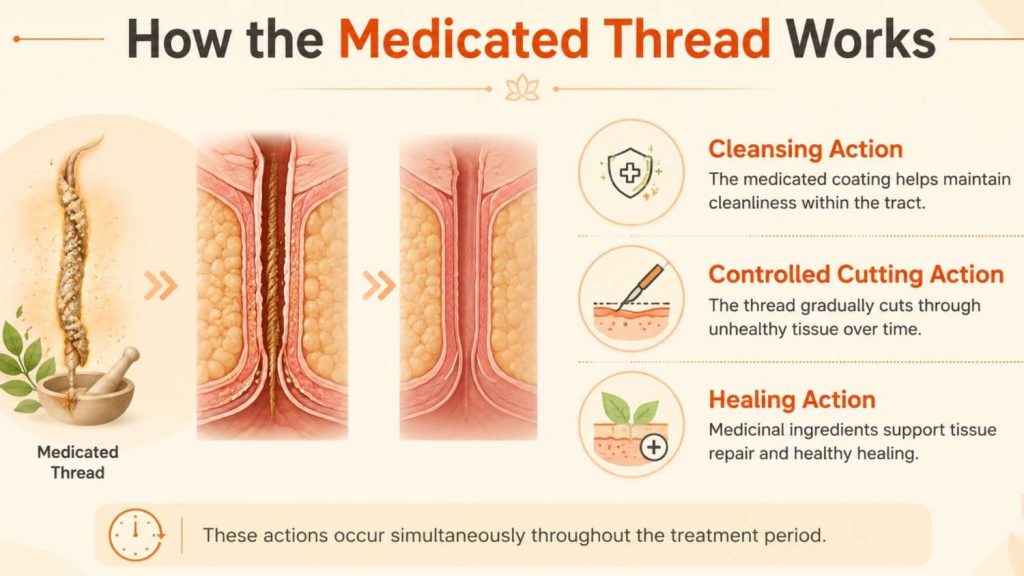
The unique design of the medicated thread allows treatment and healing to occur simultaneously.
Understanding the Ksharasutra Treatment Procedure
The Ksharasutra Treatment Procedure follows a systematic and carefully monitored process. Each stage plays an important role in ensuring effective treatment and progressive healing.
Initial Clinical Evaluation
Before starting treatment, a detailed assessment is performed.
This evaluation may include:
- Medical history review
- Symptom assessment
- Physical examination
- Identification of the affected tract
- Evaluation of previous treatments
The purpose of this stage is to determine whether the patient is a suitable candidate for Ksharasutra therapy.
Step 1: Diagnosis and Treatment Planning
Accurate diagnosis is an essential part of the Ksharasutra Treatment Procedure.
The healthcare provider evaluates:
Location of the Tract
The position and extent of the affected tract are carefully assessed.
Severity of the Condition
The complexity of the condition helps guide treatment planning.
Presence of Infection
Any active infection or inflammation is evaluated before proceeding.
Overall Health Status
General health factors may influence treatment recommendations.
A personalized treatment plan is then developed based on individual findings.
Step 2: Preparation Before the Procedure
Proper preparation helps support a smoother treatment experience.
Medical Assessment
A complete evaluation helps identify any factors that may affect treatment.
Medication Review
Patients should discuss current medications and supplements.
Hygiene Guidance
Instructions may be provided regarding local hygiene and care.
Dietary Recommendations
Some individuals may receive guidance regarding bowel health and digestion.
Preparation requirements vary depending on the condition being treated.
Step 3: Placement of the Ksharasutra Thread
The placement of the medicated thread is the most important stage of the Ksharasutra Treatment Procedure.
During this step:
- The affected tract is identified
- The medicated thread is carefully introduced
- The thread is secured appropriately
- Proper positioning is confirmed
The procedure is designed to allow gradual therapeutic action while minimizing extensive tissue damage.
Step 4: Follow-Up Thread Changes
Regular follow-up visits are an essential component of the Ksharasutra Treatment Procedure.
During follow-up appointments:
- Healing progress is assessed
- The tract is examined
- The medicated thread may be changed
- Any concerns are addressed
The frequency of thread changes varies depending on the individual case.
Conditions Commonly Treated Using Ksharasutra Therapy
Anal Fistula
One of the most common indications for Ksharasutra treatment.
Symptoms may include:
- Persistent discharge
- Pain
- Swelling
- Recurrent infections
Pilonidal Sinus
A pilonidal sinus may cause:
- Tailbone discomfort
- Swelling
- Infection
- Recurrent discharge
Certain Types of Piles
Selected hemorrhoid cases may be evaluated for Ksharasutra-based management.
Chronic Sinus Tracts
Persistent sinus tracts may also be considered for treatment depending on individual assessment.
Benefits of the Ksharasutra Treatment Procedure
Many patients choose Ksharasutra therapy because of its unique advantages.
Minimally Invasive Approach
The procedure generally avoids large surgical incisions.
Controlled Healing
Treatment and healing occur simultaneously.
Reduced Tissue Damage
Healthy surrounding tissues are largely preserved.
Lower Recurrence Potential
Properly selected cases may achieve favorable long-term outcomes.
Ayurvedic Foundation
The procedure is based on established Ayurvedic surgical principles.
Recovery After the Ksharasutra Treatment Procedure
Recovery varies according to:
- Condition severity
- Length of the tract
- Individual healing response
- Follow-up compliance
Regular Follow-Up Visits
Scheduled reviews help monitor healing progress.
Hygiene Maintenance
Keeping the area clean supports recovery.
Dietary Modifications
Patients are often encouraged to consume:
- Fiber-rich foods
- Fresh fruits
- Vegetables
- Adequate water
Physical Activity
Light activities may be resumed while avoiding excessive strain.
Lifestyle Tips During Recovery
Stay Hydrated
Adequate hydration supports digestive health.
Eat High-Fiber Foods
Fiber helps maintain regular bowel movements.
Avoid Straining
Excessive pressure during bowel movements should be minimized.
Follow Medical Advice
Consistent follow-up improves treatment outcomes.
Maintain Proper Hygiene
Local care supports healthy healing.
Common Questions About the Ksharasutra Treatment Procedure
Is the Procedure Performed in One Session?
The initial placement is performed first, followed by periodic follow-up visits and thread changes as required.
How Long Does Treatment Take?
The duration depends on the condition being treated, tract length, and individual healing response.
Can Patients Resume Daily Activities?
Many individuals can gradually return to routine activities while following treatment instructions.
Is Hospitalization Always Required?
Hospital stay requirements vary depending on the individual case and treatment plan.
Why Early Evaluation Is Important
Delaying treatment may contribute to:
- Persistent discomfort
- Recurrent infections
- Enlargement of the tract
- Reduced quality of life
Early evaluation allows timely diagnosis and appropriate treatment planning.
Related Ksharasutra Treatment Information
Understanding the Ksharasutra Treatment Procedure is an important step for individuals considering Ayurvedic management of anorectal conditions. Patients who wish to learn more about the benefits, indications, recovery process, and suitability of this therapy can explore additional information about Ksharasutra Treatment Kerala and its role in modern Ayurvedic practice.
Conclusion
Understanding the Ksharasutra Treatment Procedure helps patients make informed decisions when exploring Ayurvedic treatment options for fistula, piles, pilonidal sinus, and chronic sinus tracts. The procedure utilizes a specialized medicated thread that promotes controlled cutting, cleansing, and healing while minimizing extensive tissue damage. With proper patient selection, regular follow-up, and adherence to recovery guidelines, Ksharasutra therapy continues to be an established Ayurvedic approach for managing anorectal conditions. For additional information about Ayurvedic para-surgical therapies and traditional healing approaches, readers can explore Ayurvedic treatment principles and practices from trusted healthcare resources.
For additional information about the clinical outcomes and research behind this Ayurvedic approach, readers can explore scientific evidence supporting Ksharasutra therapy from published medical literature.
Frequently Asked Questions
1. What is the Ksharasutra Treatment Procedure?
2. How does the Ksharasutra Treatment Procedure work?
3. Which conditions can be treated using Ksharasutra therapy?
4. Is the Ksharasutra Treatment Procedure considered minimally invasive?
5. How long does the Ksharasutra Treatment Procedure take?
6. Are follow-up visits necessary during Ksharasutra treatment?
7. Can patients continue their daily activities after the procedure?
8. What dietary recommendations are commonly advised during recovery?
9. What are the benefits of the Ksharasutra Treatment Procedure?
10. Why is early evaluation important for anorectal conditions?
Call Now
+91 7356 445 553
+91 8921 442 253
We Welcome You
Vandithadam, Pachaloor P.O,
Thiruvananthapuram,
kovalam, kerala India
Sent Email
info@sivasoorya.org





Connect with Kerala’s Leading Ayurveda Centre for treatment enquiries, Panchakarma scheduling, wellness retreat packages, or customised Ayurvedic guidance. Our skilled Ayurvedic specialists and support team assist guests from India and abroad with trusted insights, professional care, and well-defined recommendations for lasting healing.