Ayurvedic Treatment Hospital in Kerala, India, Ayurveda Resort, Doctor
THE BEST AYURVEDIC TREATMENT CENTRE AND HOSPITAL IN KERALA, INDIA | SINCE 1965

THE BEST AYURVEDIC TREATMENT CENTRE AND HOSPITAL IN KERALA, INDIA | SINCE 1965

Is Panchakarma Treatment Safe? Everything You Need to Know Before Starting
If you have ever considered an Ayurvedic detox, one question likely comes to mind first: is Panchakarma treatment safe? It is a completely valid concern, especially for those new to traditional healing systems. Panchakarma is a classical Ayurvedic purification therapy rooted in thousands of years of practice. When performed at a qualified centre under trained practitioners, it is considered a structured and personalized process not a one-size-fits-all procedure. This guide walks you through everything you need to know about Panchakarma’s safety, who it suits, what precautions are taken, and how to make an informed decision.Lorem ipsum dolor sit amet, consectetur adipiscing elit. Ut elit tellus, luctus nec ullamcorper mattis, pulvinar dapibus leo.
What Is Panchakarma Treatment?
Panchakarma, which translates to “five actions” in Sanskrit, is a comprehensive Ayurvedic detoxification system. It works by systematically eliminating accumulated toxins (called Ama in Ayurveda) from deep body tissues. Unlike quick detox solutions, Panchakarma is a multi-stage process that combines herbal therapies, specialized massages, steam treatments, dietary guidance, and rejuvenation practices.
The treatment is designed to restore the balance of the three doshas – Vata, Pitta, and Kapha – which, according to Ayurvedic philosophy, govern all physiological and mental functions.
The Three Stages
Purvakarma (Preparation): The body is gently prepared using internal and external oleation (herbal oils) and Swedana (steam therapy) to loosen toxins from tissues.
Pradhanakarma (Main Detox): The selected cleansing therapies are performed based on individual dosha assessment and health status.
Paschatkarma (Rejuvenation): Post-detox nourishment through diet, yoga, herbal tonics, and lifestyle correction to consolidate the healing.
Is Panchakarma Treatment Safe for Everyone?
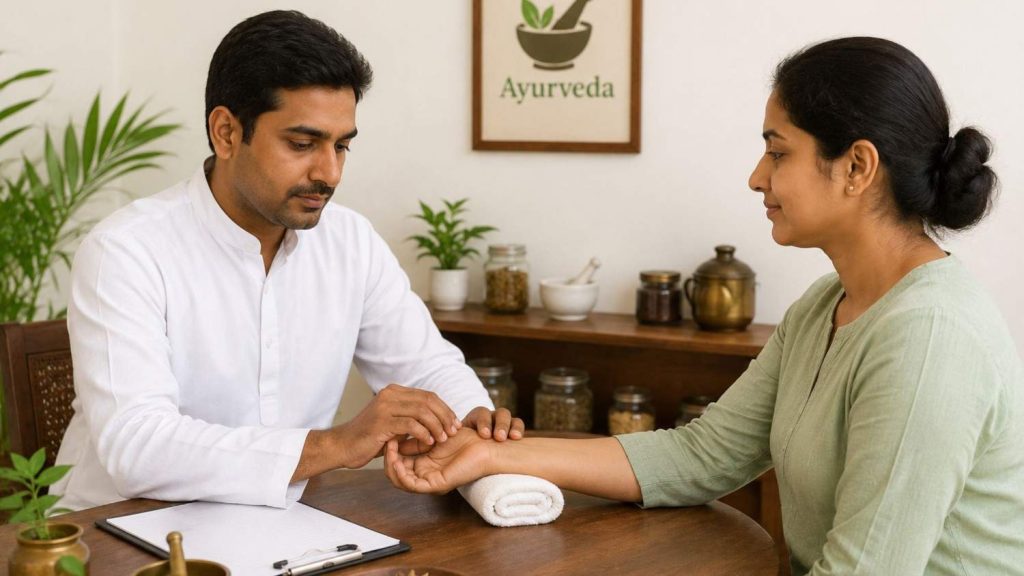
This is the core question most first-time visitors ask, and the honest answer is: yes, for most healthy adults – when done correctly under qualified supervision.
Here is what makes Panchakarma safe in a proper clinical setting:
Personalized Assessment Before Treatment
An Ayurvedic physician evaluates your body constitution, health conditions, lifestyle, and medical history before recommending treatment. Each Panchakarma plan is customized to individual needs.
Therapies Tailored to Your Needs
Not everyone undergoes all five Panchakarma procedures. Therapies are selected based on your body type, health status, and treatment goals.
Natural Ayurvedic Formulations
Panchakarma uses traditional herbal oils, decoctions, and medicines that have been used safely in Ayurveda for centuries when administered by qualified practitioners.
Continuous Monitoring
During treatment, practitioners monitor your progress and make necessary adjustments to ensure safety, comfort, and effectiveness.
Who Should Avoid or Be Cautious About Panchakarma?
While Panchakarma treatment is safe for most people, there are certain groups who should exercise caution or consult their physician before proceeding.
Panchakarma is generally not recommended for:
- Pregnant women (especially during the first trimester)
- People with active fever or acute infectious illness
- Individuals recovering from major surgery
- Those with severe anaemia or extreme weakness
- Children below a recommended age threshold (varies by treatment)
How to Choose a Safe Panchakarma Treatment Center
The safety of Panchakarma largely depends on where you receive treatment.
Look for:
- Certified Ayurvedic doctors
- Personalized treatment plans
- Hygienic facilities
- Authentic Ayurvedic therapies
- Transparent consultation process
- Post-treatment guidance
A reputable center will always prioritize patient safety and individualized care.
The Five Core Therapies and Their Safety Profiles
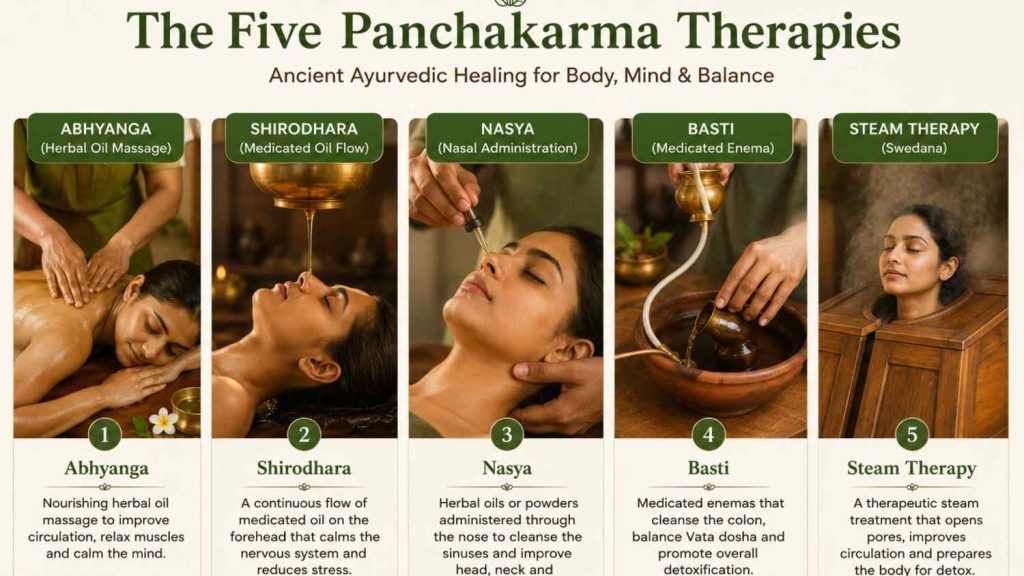
1. Vamana (Therapeutic Emesis)
A cleansing therapy for Kapha-related imbalances, performed under expert supervision after proper preparation.
2. Virechana (Therapeutic Purgation)
A gentle detox procedure that helps eliminate excess Pitta and cleanse the digestive system.
3. Basti (Medicated Enema)
A highly effective Panchakarma therapy using herbal oils and decoctions to balance Vata and support digestive and joint health.
4. Nasya (Nasal Administration)
Medicated oils are applied through the nostrils to cleanse the sinus and head region, promoting respiratory wellness.
5. Raktamokshana (Bloodletting)
A specialized Ayurvedic therapy used selectively for specific conditions under the guidance of experienced practitioners.
Conclusion
If you are wondering, “Is Panchakarma treatment safe?”, the answer largely depends on proper medical assessment, professional supervision, and individualized treatment planning. When conducted by experienced Ayurvedic practitioners, Panchakarma can be a safe and effective approach to detoxification, rejuvenation, and overall wellness.
Before beginning treatment, consult a qualified Ayurvedic doctor to determine whether Panchakarma is appropriate for your health goals and personal constitution.
Ready to learn more about Panchakarma and Ayurvedic wellness? Contact our team today to schedule a personalized consultation.
Want to explore the scientific evidence and global perspectives on Panchakarma? The following trusted resources provide additional information on Ayurvedic medicine, integrative health, and traditional wellness practices.
Learn more-> World Health Organization’s guide to Traditional, Complementary and Integrative Medicine.
Frequently Asked Questions
Is Panchakarma treatment safe for everyone?
Panchakarma is generally safe when performed under professional supervision, but suitability varies depending on age, health status, and medical history.
Is Panchakarma treatment safe for elderly people?
Many elderly individuals can benefit from modified Panchakarma therapies, though treatment plans should be carefully customized.
Is Panchakarma treatment safe during pregnancy
Most Panchakarma detox procedures are not recommended during pregnancy. Always consult a qualified Ayurvedic doctor.
Are there side effects of Panchakarma treatment?
Some individuals may experience temporary fatigue, digestive changes, or mild discomfort during detoxification. These effects are typically monitored by practitioners.
How can I ensure Panchakarma treatment is safe
Choose an experienced Ayurvedic center, undergo a proper consultation, follow all instructions, and avoid self-administered detox programs.
Is Panchakarma treatment safe for people with chronic illness?
Panchakarma can be adapted for people with chronic conditions such as diabetes, arthritis, or thyroid disorders, but only after a thorough assessment by a qualified Ayurvedic physician. The therapies and intensity will be adjusted to suit your health status. Always disclose your full medical history and current medications before starting any Panchakarma program.
What are the risks of Panchakarma treatment if done incorrectly?
When Panchakarma is performed by unqualified practitioners, without proper preparation, or with low-quality herbal products, it can lead to fatigue, digestive disturbance, dehydration, or aggravation of existing conditions. This is why choosing a certified, established Ayurvedic centre is non-negotiable for a safe experience.
How do I know if a Panchakarma centre is safe and authentic?
Look for centres with qualified Ayurvedic doctors (BAMS degree or equivalent), traditional clinical protocols, good hygiene standards, and transparent information about the therapies they offer. Authentic centres always conduct a pre-treatment consultation before recommending any procedure.
How long does a safe Panchakarma program typically last?
A standard Panchakarma program runs anywhere from 7 to 21 days, depending on your health goals and the therapies involved. Shorter programs of 3 to 5 days may be offered for wellness maintenance, while deeper therapeutic detox programs typically require a minimum of 14 days to be effective and safe.
Can Panchakarma treatment be combined with modern medical treatment?
In many cases, yes — but only with coordination between your Ayurvedic physician and your conventional doctor. Certain herbs and procedures may interact with medications, so full disclosure is essential. Many people successfully combine Panchakarma with modern treatment under supervised, integrated care.
Call Now
+91 7356 445 553
+91 8921 442 253
We Welcome You
Vandithadam, Pachaloor P.O,
Thiruvananthapuram,
kovalam, kerala India
Sent Email
info@sivasoorya.org


Connect with Kerala’s Leading Ayurveda Centre for treatment enquiries, Panchakarma scheduling, wellness retreat packages, or customised Ayurvedic guidance. Our skilled Ayurvedic specialists and support team assist guests from India and abroad with trusted insights, professional care, and well-defined recommendations for lasting healing.

