Your cart is currently empty!
Category: Ksharasutra Treatment
-

Is Ksharasutra Effective for Recurrent Fistula?
Is Ksharasutra Effective for Recurrent Fistula? A Complete Guide to Ayurvedic Treatment and Long-Term Recovery
Recurrent anal fistula can be frustrating and uncomfortable, particularly for individuals who continue to experience persistent discharge, pain, repeated infections, or recurrence even after previous treatment. This often leads patients to ask, Is Ksharasutra Effective for Recurrent Fistula? As a specialized Ayurvedic para-surgical procedure, Ksharasutra is widely used to manage recurrent fistula-in-ano through a minimally invasive approach that focuses on gradual healing rather than extensive surgical excision.
The effectiveness of Ksharasutra depends on factors such as the complexity of the fistula, previous treatments, and the patient’s overall health. If you are wondering Is Ksharasutra Effective for Recurrent Fistula?, this guide explains how the treatment works, why fistulas may recur, who may be suitable for Ksharasutra therapy, and what to expect throughout the treatment and recovery process.
Understanding Recurrent Anal Fistula
An anal fistula is a small abnormal tunnel that develops between the anal canal and the skin surrounding the anus. It usually forms after an anal abscess, where infection creates a tract connecting the internal opening to the outer skin.
Although many fistulas are successfully treated, some may return even after surgery or other procedures. This is known as a recurrent fistula.
Patients with recurrent fistulas often experience:
- Persistent discharge
- Repeated swelling
- Pain around the anal region
- Recurrent infections
- Skin irritation
- Difficulty sitting comfortably
For many patients, repeated recurrence raises the important question: Is Ksharasutra Effective for Recurrent Fistula? Understanding the underlying cause of recurrence helps determine the most appropriate treatment strategy.
Why Does an Anal Fistula Recur?
Several factors may contribute to fistula recurrence.
Incomplete Healing
If the entire fistula tract does not heal properly, residual infected tissue may continue to cause symptoms.
Complex Fistula Tracts
Some fistulas branch into multiple channels, making complete treatment more challenging.
Ongoing Infection
Persistent infection within the tract can delay healing and increase the likelihood of recurrence.
Underlying Medical Conditions
Certain digestive or inflammatory disorders may affect healing and increase recurrence risk.
Delayed Treatment
Ignoring symptoms for an extended period may allow the fistula tract to become larger or more complex.
Understanding these factors helps answer the question, Is Ksharasutra Effective for Recurrent Fistula?, because successful treatment depends on addressing both the fistula tract and the underlying cause.
Is Ksharasutra Effective for Recurrent Fistula?
One of the main reasons Ksharasutra has remained an established Ayurvedic treatment is its ability to gradually treat the fistula tract while encouraging simultaneous healing.
Instead of removing large amounts of tissue, the procedure uses a specially prepared medicated thread that is carefully placed through the fistula tract.
The treatment works by supporting three important processes:
Controlled Removal of Diseased Tissue
The medicated thread gradually cuts through unhealthy tissue in a controlled manner.
Continuous Cleansing
Herbal alkaline coatings help maintain cleanliness within the tract throughout treatment.
Simultaneous Healing
As unhealthy tissue is gradually removed, healthy tissue begins repairing itself naturally.
Because of this combined mechanism, many patients ask Is Ksharasutra Effective for Recurrent Fistula? when looking for alternatives to repeated conventional surgery. Suitability depends on careful clinical evaluation and individualized treatment planning.
How Ksharasutra Treatment Works
Ksharasutra follows a structured Ayurvedic para-surgical approach.
The treatment does not rely on extensive surgical removal. Instead, it encourages gradual healing over several weeks.
The process generally includes the following stages.
Initial Clinical Evaluation
An Ayurvedic physician performs a detailed assessment to determine:
- Type of fistula
- Length of the tract
- Previous treatments
- Presence of infection
- Overall health status
This helps determine whether Ksharasutra is an appropriate option.
Identification of the Fistula Tract
The entire tract is carefully evaluated before treatment begins.
Proper assessment helps ensure accurate placement of the medicated thread.
Placement of the Medicated Thread
A specially prepared Ksharasutra thread coated with herbal alkaline medicines is gently passed through the fistula tract.
The thread remains in position while gradually performing its therapeutic action.
Periodic Thread Changes
Unlike a one-time surgical procedure, Ksharasutra requires scheduled follow-up visits.
During these appointments:
- Healing is monitored.
- The thread is replaced when necessary.
- Progress is assessed.
- Adjustments are made according to recovery.
Regular follow-up is an important part of successful treatment.
Progressive Healing
Over time, unhealthy tissue gradually separates while healthy tissue develops behind it.
This controlled healing process is one of the reasons many patients ask, Is Ksharasutra Effective for Recurrent Fistula?
If you would like to learn more about the complete procedure, benefits, recovery process, and suitability of this Ayurvedic para-surgical technique, explore our comprehensive guide on Ksharasutra Treatment.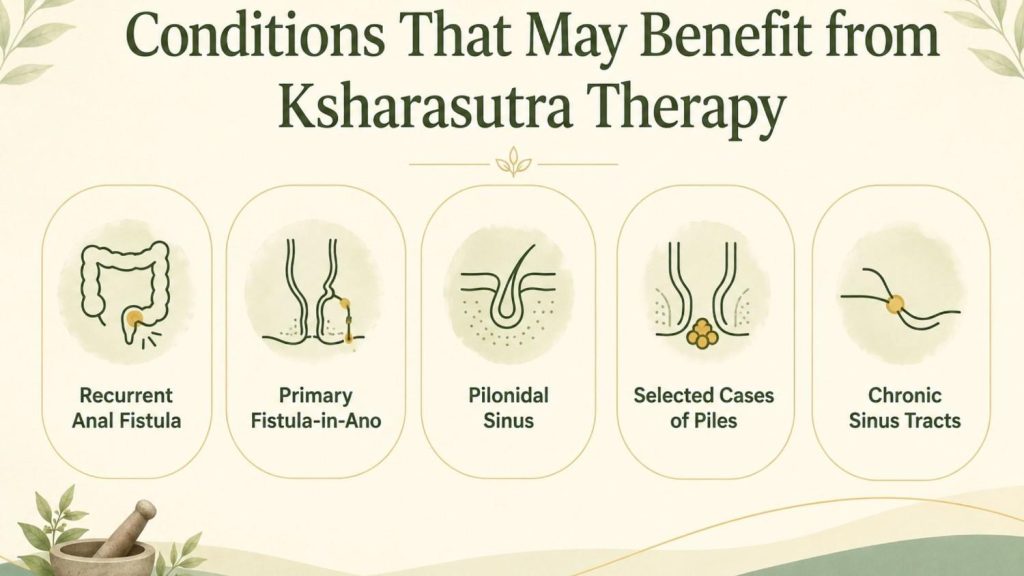
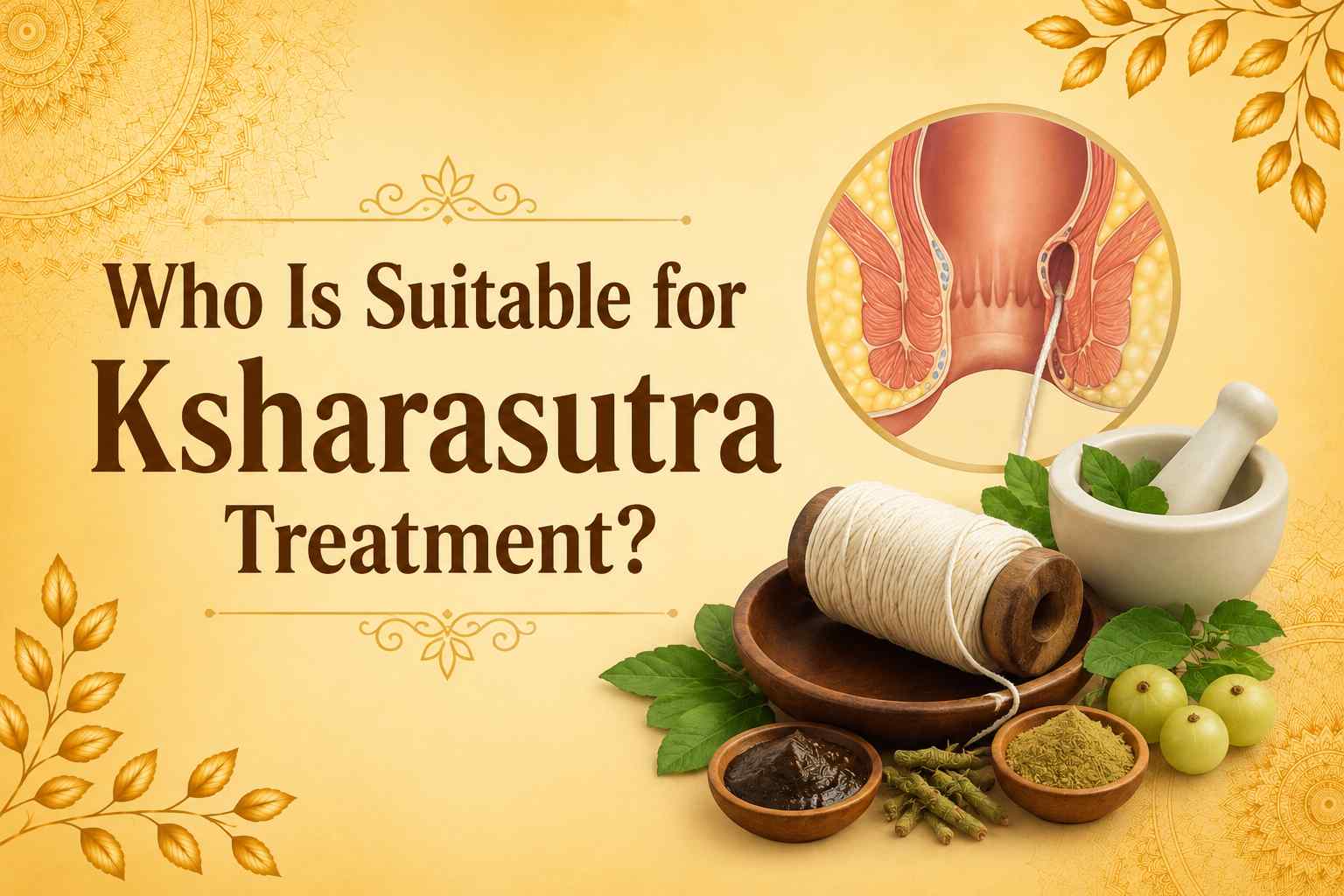
Who May Be a Suitable Candidate?
Not every patient with an anorectal disorder requires Ksharasutra treatment.
A detailed evaluation helps determine suitability.
Patients who may benefit include those with:
- Recurrent anal fistula
- Chronic fistula discharge
- Persistent sinus tracts
- Selected cases of piles
- Pilonidal sinus
- Individuals seeking minimally invasive Ayurvedic treatment
If you are asking Is Ksharasutra Effective for Recurrent Fistula?, consulting an experienced Ayurvedic physician is the best way to determine whether the procedure is appropriate for your condition.
Preparing for Ksharasutra Treatment
Proper preparation contributes to a smoother treatment experience.
Patients may receive individualized recommendations before the procedure.
Medical Assessment
A complete clinical evaluation helps identify the most suitable treatment plan.
Medication Review
Patients should discuss:
- Current medications
- Previous surgeries
- Existing medical conditions
- Allergies
Bowel Preparation
Depending on the condition being treated, specific bowel preparation instructions may be provided.
Lifestyle Guidance
Patients may be advised regarding:
- Diet
- Hydration
- Hygiene
- Physical activity
Following these recommendations supports a successful treatment process.
What Happens During the Procedure
Understanding the procedure often helps reduce anxiety before treatment.
The process generally includes:
Step 1: Clinical Examination
The physician examines the fistula tract and confirms treatment suitability.
Step 2: Local Preparation
The treatment area is prepared using appropriate aseptic techniques.
Step 3: Placement of the Ksharasutra
The medicated thread is carefully introduced into the fistula tract.
Step 4: Completion of the Procedure
The thread remains in position to begin its gradual therapeutic action.
Patients usually receive detailed instructions regarding:
- Personal hygiene
- Activity levels
- Follow-up appointments
- Diet
- Pain management
Regular monitoring plays a significant role in successful healing.
Factors That Influence Treatment Success
The effectiveness of Ksharasutra treatment depends on several clinical and lifestyle factors. While many patients ask, Is Ksharasutra Effective for Recurrent Fistula?, the outcome is influenced not only by the procedure itself but also by proper patient selection and consistent follow-up care.
Length and Complexity of the Fistula
Simple fistulas often heal more quickly than long or branching fistula tracts. Complex fistulas may require a longer treatment period and additional follow-up sessions.
Presence of Infection
Active infection can slow the healing process. Proper drainage, hygiene, and medical supervision help create a healthier environment for tissue repair.
Individual Healing Response
Every individual heals at a different pace. Factors such as age, overall health, nutrition, and immune function can influence recovery.
Regular Thread Changes
One of the most important aspects of Ksharasutra therapy is timely replacement of the medicated thread. Consistent follow-up appointments allow the treatment to progress safely and effectively.
Following Medical Advice
Patients who follow dietary recommendations, hygiene practices, and scheduled follow-up visits often experience a smoother recovery.
Benefits of Ksharasutra for Recurrent Fistula
Many patients exploring Ayurvedic treatment options want to know, Is Ksharasutra Effective for Recurrent Fistula? One reason the procedure remains widely practiced is because it offers several potential advantages when performed in appropriately selected cases.
Minimally Invasive Approach
Unlike extensive surgical procedures, Ksharasutra generally avoids large incisions while treating the fistula tract gradually.
Controlled Healing
The medicated thread allows diseased tissue to be treated progressively while healthy tissue heals simultaneously.
Preservation of Healthy Tissue
The treatment primarily targets the affected tract, helping preserve the surrounding healthy tissues.
Reduced Hospital Stay
Many patients can return home shortly after the procedure and continue treatment through scheduled outpatient follow-up visits.
Suitable for Selected Recurrent Cases
Patients with recurrent fistulas may be evaluated to determine whether Ksharasutra offers an appropriate treatment option.
Ayurvedic Therapeutic Principles
The treatment combines traditional Ayurvedic knowledge with a structured para-surgical technique that has been practiced for many years.
Gradual Recovery Process
Healing occurs progressively, allowing continuous monitoring throughout the treatment period.
Recovery After Ksharasutra Treatment
Recovery is an important part of successful treatment.
The healing period varies depending on:
- Length of the fistula tract
- Severity of the condition
- Presence of infection
- Individual healing response
- Regularity of follow-up visits
Patients asking Is Ksharasutra Effective for Recurrent Fistula? should understand that successful outcomes depend not only on the procedure but also on proper recovery management.
Follow-Up Visits
Scheduled appointments allow the physician to:
- Monitor healing
- Replace the medicated thread
- Assess progress
- Manage any concerns promptly
Hygiene Care
Maintaining cleanliness around the treated area helps reduce irritation and supports healthy healing.
Patients may be advised to:
- Keep the area clean and dry
- Follow prescribed cleansing routines
- Wear comfortable clothing
- Maintain proper personal hygiene
Physical Activity
Most patients are encouraged to remain active while avoiding excessive physical strain.
Heavy lifting and strenuous activities may be restricted until healing progresses.
Diet During Recovery
A healthy digestive system supports smoother bowel movements and reduces unnecessary strain.
Patients are often encouraged to include:
- Whole grains
- Fresh fruits
- Vegetables
- Fiber-rich foods
- Adequate water intake
Maintaining good bowel habits contributes to overall recovery.
Lifestyle Tips to Support Healing
Simple lifestyle modifications can improve comfort throughout treatment.
Eat a Fiber-Rich Diet
Adequate dietary fiber helps promote regular bowel movements and reduces discomfort during recovery.
Stay Hydrated
Drinking sufficient water supports digestion and overall health.
Avoid Excessive Straining
Reducing pressure during bowel movements helps protect the healing tissues.
Maintain Good Hygiene
Proper cleaning of the affected area supports healthy healing and reduces irritation.
Attend Every Follow-Up Appointment
Regular monitoring allows timely thread changes and ensures the treatment continues as planned.
Patients who consistently follow these recommendations often experience better healing outcomes.
Common Myths About Ksharasutra Treatment
Many misconceptions surround Ayurvedic para-surgical procedures.
Understanding the facts helps answer the question, Is Ksharasutra Effective for Recurrent Fistula?
Myth 1: Ksharasutra Is Only Used After Failed Surgery
Fact: Ksharasutra may be considered for both primary and recurrent fistulas depending on clinical evaluation.
Myth 2: Treatment Requires Prolonged Hospitalization
Fact: Many patients can continue treatment through regular outpatient visits.
Myth 3: Recovery Is the Same for Everyone
Fact: Healing varies according to the patient’s condition, fistula complexity, and overall health.
Myth 4: Ayurvedic Treatment Does Not Require Follow-Up
Fact: Regular follow-up visits are one of the most important parts of successful Ksharasutra therapy.
Why Early Evaluation Matters
Many patients delay seeking treatment because symptoms initially appear manageable.
However, untreated fistulas may become more complicated over time.
Early evaluation offers several advantages:
- Timely diagnosis
- Better treatment planning
- Reduced progression of the fistula
- Improved comfort
- Better long-term outcomes
- Appropriate selection of treatment options
If you are wondering Is Ksharasutra Effective for Recurrent Fistula?, consulting an experienced Ayurvedic physician early allows a personalized assessment and treatment plan.
Conclusion
Recurrent anal fistula can significantly affect comfort, daily activities, and overall quality of life. For individuals searching for an effective Ayurvedic treatment option, a common question remains: Is Ksharasutra Effective for Recurrent Fistula? Ksharasutra has long been recognized as a specialized Ayurvedic para-surgical technique that combines controlled tissue management with gradual healing through the use of a medicated thread. When recommended after a thorough clinical evaluation, it may provide an effective treatment approach for selected patients with recurrent fistula, chronic sinus tracts, and certain other anorectal conditions.
Successful outcomes depend on multiple factors, including the complexity of the fistula, timely diagnosis, regular follow-up, proper hygiene, and adherence to medical advice. Choosing an experienced Ayurvedic physician and following a personalized treatment plan can support healthy healing and long-term recovery. Individuals experiencing persistent symptoms should seek professional evaluation to determine whether Ksharasutra therapy is the most suitable option for their condition. For additional details about the effectiveness of Ksharasutra therapy for fistula, refer to the research published by the National Center for Biotechnology Information (NCBI), which discusses the clinical outcomes, treatment principles, and role of Ksharasutra in managing fistula-in-ano.
Frequently Asked Questions
Can Ksharasutra be used after multiple fistula surgeries?
Yes. Patients with recurrent fistulas after previous surgery may be evaluated to determine whether Ksharasutra is an appropriate treatment option.How often is the medicated thread changed?
The frequency varies depending on the individual case and healing progress. Your Ayurvedic physician will schedule regular follow-up visits accordingly.Can I continue working during Ksharasutra treatment?
Many patients are able to continue light daily activities and office work, although recommendations vary depending on the nature of the job and the stage of healing.Is Ksharasutra treatment painful?
Some discomfort may occur, particularly after thread changes, but many patients find it manageable with appropriate medical guidance.Can recurrent fistulas return even after Ksharasutra treatment?
Although Ksharasutra is designed to reduce recurrence by treating the fistula tract thoroughly, recurrence remains possible depending on the underlying condition and individual healing response.Does diet affect recovery after Ksharasutra therapy?
Yes. A fiber-rich diet, adequate hydration, and healthy bowel habits help support recovery and reduce unnecessary strain during healing.How long does complete healing usually take?
The duration varies according to the length and complexity of the fistula tract, presence of infection, and the patient’s healing response.Can elderly patients undergo Ksharasutra treatment?
Many older adults may be suitable candidates after careful clinical evaluation and assessment of their overall health.Are follow-up appointments necessary even if symptoms improve?
Yes. Regular follow-up visits allow the physician to monitor healing, replace the medicated thread when required, and ensure the treatment is progressing as expected.Why is early treatment recommended for recurrent fistula?
Early evaluation allows timely management before the fistula becomes more complex, helping improve treatment planning and overall healing outcomes. -
What to Expect During Ksharasutra Treatment
What to Expect During Ksharasutra Treatment: A Complete Patient Guide
What to Expect During Ksharasutra Treatment is one of the most common questions people have before choosing this traditional Ayurvedic para-surgical procedure. Whether you are being treated for an anal fistula, selected types of piles, or a pilonidal sinus, understanding each stage of the treatment can help you feel more prepared and confident.
This guide explains What to Expect During Ksharasutra Treatment, including the initial consultation, preparation, medicated thread placement, follow-up sessions, recovery process, and aftercare tips. By knowing what happens before, during, and after the procedure, patients can approach their healing journey with realistic expectations and greater peace of mind.What Is Ksharasutra Treatment?
Ksharasutra is a traditional Ayurvedic para-surgical therapy primarily used to manage conditions affecting the anorectal region, including anal fistula, selected cases of piles, pilonidal sinus, and chronic sinus tracts.
The treatment uses a specially prepared medicated thread coated with herbal alkaline substances. This thread is carefully placed within the affected tract, where it gradually removes unhealthy tissue while promoting healing.
Because the treatment works progressively, understanding What to Expect During Ksharasutra Treatment helps patients prepare for each stage of the healing process. If you would like to learn more about the procedure, indications, benefits, and recovery, read our complete guide on Ksharasutra Treatment.
Why Is Ksharasutra Treatment Recommended?
Healthcare providers may recommend Ksharasutra therapy for patients experiencing conditions such as:
- Anal fistula
- Selected types of piles
- Pilonidal sinus
- Chronic sinus tracts
- Recurrent anorectal disorders
The treatment aims to promote gradual healing while preserving healthy surrounding tissue.
What to Expect During Ksharasutra Treatment
Knowing What to Expect During Ksharasutra Treatment allows patients to approach the procedure with greater confidence. Although every treatment plan is personalized, most patients experience a similar sequence of evaluation, treatment, follow-up, and recovery.
The procedure is designed to be minimally invasive while allowing the medicated thread to gradually perform its therapeutic action over time.
Step-by-Step Ksharasutra Treatment Process
Initial Consultation
The first step involves a detailed medical evaluation.
During this consultation, your Ayurvedic doctor may:
- Review your symptoms
- Discuss your medical history
- Examine the affected area
- Determine whether Ksharasutra therapy is appropriate
This assessment helps create an individualized treatment plan.
Clinical Examination
A careful examination helps identify:
- The location of the tract
- Length of the affected area
- Severity of the condition
- Presence of infection or inflammation
Additional investigations may be recommended if required.
Preparation Before the Procedure
Before treatment, patients may receive instructions regarding:
- Personal hygiene
- Diet
- Medication adjustments
- Bowel preparation when necessary
Following these instructions helps support the procedure and recovery.
Placement of the Medicated Thread
One of the most important aspects of What to Expect During Ksharasutra Treatment is the placement of the medicated thread.
During the procedure:
- The affected tract is carefully identified.
- The medicated Ksharasutra thread is placed through the tract.
- The thread remains in position to perform its therapeutic action.
The herbal coating gradually supports cleansing, controlled tissue removal, and healing.
Regular Follow-Up Sessions
Unlike one-time surgical procedures, Ksharasutra therapy requires periodic follow-up visits.
During these appointments:
- The medicated thread is replaced.
- Healing progress is evaluated.
- The tract is monitored carefully.
- Necessary adjustments are made to the treatment plan.
Regular follow-up plays an important role in successful healing.
Does the Procedure Cause Pain?
One of the most common questions about What to Expect During Ksharasutra Treatment is whether the procedure is painful.
Most patients experience mild discomfort rather than severe pain. Some soreness or tenderness may occur during the initial days or after thread replacement sessions, but this generally improves with appropriate care.
Individual experiences vary depending on:
- The condition being treated
- Size of the tract
- Individual pain tolerance
- Healing response
Recovery After Ksharasutra Treatment
Recovery is gradual because healing occurs alongside the therapeutic action of the medicated thread.
Most patients can resume light daily activities relatively soon, although complete healing depends on:
- Length of the tract
- Severity of the disease
- Presence of infection
- Individual healing capacity
Maintaining regular follow-up appointments is essential throughout recovery.

When Should You Contact Your Doctor?
Although mild discomfort is expected during recovery, medical advice should be sought if you experience:
- Persistent bleeding
- Increasing pain
- Fever
- Excessive swelling
- Foul-smelling discharge
- Difficulty passing stools
Prompt evaluation allows early management of any concerns.
Conclusion
Understanding What to Expect During Ksharasutra Treatment helps patients approach the procedure with greater confidence and realistic expectations. From the initial consultation and placement of the medicated thread to regular follow-up sessions and gradual recovery, every stage of treatment is designed to support controlled healing while preserving healthy tissue.
For additional scientific information about Ksharasutra therapy and its role in managing fistula-in-ano, refer to the National Center for Biotechnology Information (NCBI).
Frequently Asked Questions
How should I prepare before my first Ksharasutra treatment session?
Before your first session, your Ayurvedic doctor may advise you on hygiene, dietary adjustments, medication review, and any necessary bowel preparation. Following these instructions helps ensure the treatment proceeds smoothly.
Can I eat normally after Ksharasutra treatment?
Most patients can continue eating a balanced diet after treatment. Fiber-rich foods, fresh fruits, vegetables, and adequate water intake are generally recommended to support comfortable bowel movements and recovery.
How often is the Ksharasutra thread changed?
The medicated thread is usually replaced at regular intervals based on your condition and healing progress. The exact schedule varies for each patient and is determined during follow-up visits.
Is Ksharasutra treatment performed under anesthesia?
The need for anesthesia depends on the condition being treated and the individual treatment plan. Your Ayurvedic doctor will explain the procedure and discuss the most appropriate approach before treatment.
Can I travel while undergoing Ksharasutra treatment?
Travel may be possible for some patients, but regular follow-up appointments are an essential part of the treatment. It is best to discuss any travel plans with your doctor before starting therapy.
What should I avoid during Ksharasutra treatment?
Patients are generally advised to avoid excessive physical strain, prolonged sitting, poor hygiene, and foods that may contribute to constipation. Your doctor will provide personalized lifestyle recommendations.
Will I need to take Ayurvedic medicines along with Ksharasutra treatment?
Depending on your condition, Ayurvedic medicines may be recommended alongside the procedure to support healing, maintain digestive balance, and promote overall recovery.
Can Ksharasutra treatment be combined with other Ayurvedic therapies?
Yes. In some cases, Ksharasutra treatment may be combined with supportive Ayurvedic therapies, dietary guidance, and lifestyle modifications to enhance overall healing. The treatment plan is customized for each individual.
How is progress monitored during Ksharasutra treatment?
Healing is monitored during regular follow-up visits, where the treated area is examined, the medicated thread may be replaced, and the overall progress is assessed to ensure proper recovery.
Why is regular follow-up important during Ksharasutra treatment?
Regular follow-up appointments allow the doctor to monitor healing, replace the medicated thread when needed, identify any concerns early, and make adjustments to the treatment plan for the best possible outcome.
-

When Should You Choose Ksharasutra Treatment
When Should You Choose Ksharasutra Treatment? 7 Key Signs
If you are looking for a minimally invasive approach to manage conditions like piles, fistula, or fissures, you may wonder when should you choose Ksharasutra treatment. Many people delay treatment because they are unsure whether this traditional Ayurvedic procedure is suitable for them. In Thrissur, patients increasingly seek effective options that offer good healing with less disruption to daily life.
Understanding when should you choose Ksharasutra treatment can help you make an informed decision. This treatment has been practiced for centuries and combines Ayurvedic principles with a scientifically recognized procedure for treating specific anorectal disorders. It is especially valued for its ability to promote healing while reducing the chances of recurrence in suitable cases.
What Is Ksharasutra Treatment
Ksharasutra treatment is an Ayurvedic para-surgical procedure that uses a specially prepared medicated thread. The thread is placed in the affected tract or tissue, where it gradually cuts through unhealthy tissue while encouraging healing.
The procedure is commonly used for:
- Anal fistula
- Piles (selected cases)
- Fissure-in-ano
- Pilonidal sinus (selected patients)
Understanding when should you choose Ksharasutra treatment starts with knowing that it is not a universal treatment for every anorectal disease. Proper evaluation is essential before choosing this option.
Why Knowing When Should You Choose Ksharasutra Treatment Matters
Choosing the correct treatment at the right stage can improve recovery and reduce complications.
You should understand when should you choose Ksharasutra treatment because:
- Early treatment often provides better outcomes.
- Some conditions respond exceptionally well.
- Delaying treatment may worsen symptoms.
- It may reduce the need for extensive surgery.
- It helps preserve normal anal function in many suitable cases.
Conditions Treated with Ksharasutra Treatment
Anal Fistula
One of the most common reasons for when should you choose Ksharasutra treatment is an anal fistula.
A fistula is an abnormal tunnel connecting the anal canal to the skin around the anus. Symptoms include:
- Persistent discharge
- Pain
- Swelling
- Recurrent abscesses
Ksharasutra treatment is widely recognized as an effective option for many fistula cases.
Piles
Some grades of hemorrhoids can benefit from Ksharasutra treatment.
Symptoms include:
- Bleeding
- Pain
- Swelling
- Itching
- Prolapse
Anal Fissure
A chronic fissure that does not improve with medicines may be suitable for this procedure.
Common symptoms include:
- Sharp pain during bowel movements
- Bleeding
- Burning sensation
- Muscle spasm
Pilonidal Sinus
Selected pilonidal sinus cases may also benefit from Ksharasutra treatment depending on their severity.
Signs That Indicate When Should You Choose Ksharasutra Treatment

Knowing when should you choose Ksharasutra treatment becomes easier if you notice these situations.
1. Recurrent Anal Fistula
Repeated infections and drainage indicate that long-term treatment may be necessary.
2. Medicines Are Not Helping
If medications provide only temporary relief, further evaluation may be needed.
3. Repeated Abscess Formation
Recurring abscesses usually suggest an underlying fistula that requires definitive treatment.
4. Chronic Symptoms
Persistent pain, discharge, swelling, or bleeding lasting several weeks should not be ignored.
5. You Want a Minimally Invasive Option
Many patients consider when should you choose Ksharasutra treatment because they prefer procedures with less tissue damage.
6. High Risk of Recurrence with Previous Treatments
If symptoms return repeatedly after earlier treatment, Ksharasutra may be considered after proper assessment.
7. You Need Faster Return to Daily Activities
Many patients resume normal activities relatively early following appropriate care.
Benefits of Choosing Ksharasutra Treatment
Understanding when should you choose Ksharasutra treatment also involves knowing its advantages.
Effective Healing
The medicated thread gradually removes unhealthy tissue while promoting healing.
Lower Recurrence Risk
For suitable fistula cases, recurrence may be lower compared to some conventional procedures.
Sphincter Preservation
One major advantage is better preservation of anal sphincter function in many patients.
Less Tissue Damage
The procedure targets unhealthy tissue while minimizing unnecessary injury.
Outpatient Possibility
Many patients can return home the same day depending on their condition.
Cost-Effective
Compared to some advanced surgeries, it may be an economical option.
Who Is an Ideal Candidate
You may be a suitable candidate if you have:
- Chronic anal fistula
- Selected grades of piles
- Chronic fissure
- Pilonidal sinus
- Recurrent anorectal infections
- Good overall health
A detailed clinical examination determines when should you choose Ksharasutra treatment safely.
Who May Not Be Suitable
Ksharasutra treatment may not be ideal for everyone.
Alternative management may be considered in patients with:
- Severe uncontrolled infections
- Certain complex medical conditions
- Extensive disease requiring different surgical techniques
- Conditions that require emergency surgery
A proper diagnosis always comes first.
How Is the Procedure Performed
Understanding the procedure helps explain when should you choose Ksharasutra treatment.
Typical steps include:
- Clinical examination
- Imaging if required
- Local or regional anesthesia
- Placement of medicated thread
- Weekly thread replacement
- Gradual healing over time
The exact duration depends on the disease and tract length.
Recovery After Ksharasutra Treatment

Recovery varies among patients.
Most people experience:
- Mild discomfort initially
- Regular dressing changes
- Weekly follow-up visits
- Progressive healing
- Improvement in symptoms over several weeks
Following instructions carefully improves outcomes.
Lifestyle Tips for Better Recovery
Good recovery supports the success of when should you choose Ksharasutra treatment.
Helpful habits include:
- Eat high-fiber foods.
- Drink plenty of water.
- Avoid constipation.
- Maintain proper hygiene.
- Take sitz baths if advised.
- Walk regularly.
- Avoid prolonged sitting.
- Complete scheduled follow-ups.
Possible Risks and Complication
Although generally considered safe when performed appropriately, complications can occur.
Possible risks include:
- Mild pain
- Temporary bleeding
- Infection
- Delayed healing
- Local irritation
- Need for prolonged follow-up
Early reporting of unusual symptoms helps prevent complications.
How to Decide When Should You Choose Ksharasutra Treatment
The decision depends on several factors.
These include:
- Type of disease
- Severity
- Previous treatments
- General health
- Examination findings
- Patient preference
A thorough assessment ensures the treatment matches your condition.
Tips Before Undergoing the Procedure
Before treatment:
- Share your complete medical history.
- Inform about all medications.
- Follow fasting instructions if required.
- Arrange transportation after the procedure.
- Understand the follow-up schedule.
- Ask questions about recovery.
Preparation helps achieve better outcomes.
Common Myths About Ksharasutra Treatment
Myth: It Is Extremely Painful
Most patients experience manageable discomfort rather than severe pain.
Myth: It Requires Long Hospital Stay
Many patients are treated on an outpatient basis.
Myth: It Is Only for Piles
It is widely used for anal fistula and selected anorectal conditions.
Myth: Recovery Takes Several Months for Everyone
Recovery varies depending on disease severity and individual healing.
Conclusion
Understanding when should you choose Ksharasutra treatment helps you seek timely care and avoid unnecessary complications. This minimally invasive Ayurvedic procedure offers an effective option for selected anorectal conditions, particularly anal fistula, chronic fissure, selected piles, and some pilonidal sinus cases. Proper diagnosis, careful patient selection, and regular follow-up play a major role in successful outcomes. If persistent symptoms affect your quality of life, discussing when should you choose Ksharasutra treatment with a qualified healthcare professional can help determine the most appropriate approach. Patients in Thrissur should always undergo a complete clinical evaluation before deciding on any treatment. Learn more about the clinical evidence for Ksharasutra treatment in this peer-reviewed PubMed Central (PMC) .
Frequently Asked Questions
When should you choose Ksharasutra treatmentIt is generally considered for suitable cases of anal fistula, chronic fissure, selected piles, and pilonidal sinus after proper medical evaluation.
Is Ksharasutra treatment painfulMost patients experience mild to moderate discomfort, which is usually manageable.
How long does recovery takeRecovery depends on the condition being treated and individual healing.
Can I go home the same dayMany patients can return home on the day of the procedure, depending on their overall condition.
Is Ksharasutra treatment safeWhen performed by trained professionals with proper patient selection, it is generally considered safe.
Does it prevent recurrenceIt may reduce recurrence in suitable fistula cases, but outcomes vary.
Can I work during treatmentMany patients continue light daily activities during recovery.
How often is the medicated thread changedIt is usually replaced at regular follow-up visits, often weekly.
Are dietary changes necessaryA fiber-rich diet and good hydration are commonly recommended.
Who should avoid Ksharasutra treatmentPatients with certain complex conditions or those requiring emergency surgery may need alternative treatment options.
-
Who is a Candidate for Ksharasutra Treatment
7 Powerful Facts: Who Is a Candidate for Ksharasutra Treatment
Choosing the right treatment is one of the most important decisions for anyone dealing with anorectal conditions. If you have been wondering who is a candidate for Ksharasutra treatment, understanding the eligibility criteria can help you make an informed choice. This traditional Ayurvedic surgical technique has gained recognition for treating conditions such as piles, fistula, and fissure with minimal tissue damage. Patients in Thrissur and other regions often seek this procedure because it combines traditional principles with modern clinical practices.
What Is Ksharasutra Treatment
Ksharasutra treatment is an Ayurvedic para-surgical procedure that uses a specially prepared medicated thread to treat certain anorectal disorders. The medicated thread is coated with herbal medicines possessing cleansing, healing, and antimicrobial properties.
The thread is carefully placed in the affected tract or tissue, allowing gradual cutting, drainage, and healing while minimizing damage to surrounding healthy tissues.
It is widely used for:
- Anal fistula
- Hemorrhoids (piles)
- Pilonidal sinus
- Certain chronic sinus tracts
Who Is a Candidate for Ksharasutra Treatment
Understanding who is a candidate for Ksharasutra treatment begins with identifying the underlying medical condition and its severity.
A person may be a suitable candidate if they have:
- Anal fistula
- Recurrent fistula after previous surgery
- Internal or external hemorrhoids
- Chronic anal fissure in selected cases
- Pilonidal sinus
- Chronic sinus tracts
- Persistent discharge from fistula
- Pain during bowel movements
- Swelling around the anal region
Many healthcare providers evaluate the patient’s overall health, medical history, and diagnostic findings before recommending the procedure.
Medical Conditions Commonly Treated
Anal Fistula
One of the most common reasons for considering Ksharasutra treatment is anal fistula. It involves an abnormal tunnel connecting the anal canal to the skin around the anus.
Common symptoms include:
- Continuous discharge
- Pain
- Swelling
- Recurrent abscesses
- Skin irritation
Hemorrhoids (Piles)
Patients with certain grades of hemorrhoids may benefit from Ksharasutra treatment.
Symptoms include:
- Bleeding during bowel movements
- Itching
- Swelling
- Pain
- Prolapse
Pilonidal Sinus
This condition occurs near the tailbone where hair and debris become trapped beneath the skin.
Symptoms include:
- Pain while sitting
- Swelling
- Pus discharge
- Recurrent infection
Chronic Sinus Tracts
Long-standing infected tracts that fail to heal with conventional treatment may also respond well to this procedure.
Signs That You May Be a Candidate for Ksharasutra Treatment
Several symptoms may indicate who is a candidate for Ksharasutra treatment.
These include:
- Persistent anal pain
- Recurrent abscess formation
- Non-healing wounds
- Continuous pus discharge
- Bleeding during bowel movements
- Itching around the anus
- Swelling
- Difficulty sitting comfortably
- Repeated recurrence after surgery
A detailed medical examination helps determine whether this treatment is appropriate.
Who May Not Be an Ideal Candidate
Although many patients can benefit, not everyone is suitable.
Your healthcare provider may recommend alternative treatment if you have:
- Severe uncontrolled diabetes
- Serious bleeding disorders
- Active severe infections
- Advanced inflammatory bowel disease
- Certain complex anorectal cancers
- Poor overall medical fitness for procedures
Proper evaluation is always essential.
Benefits of Ksharasutra Treatment
Patients often choose this treatment because of its advantages.
Some important benefits include:
- Minimally invasive approach
- Lower risk of recurrence in selected conditions
- Gradual healing
- Limited damage to healthy tissues
- Reduced hospital stay
- Faster return to routine activities
- Lower postoperative discomfort in many patients
- Preservation of anal sphincter function
- Suitable for recurrent fistula cases
- Cost-effective in many situations
How Doctors Decide Who Is a Candidate for Ksharasutra Treatment
Healthcare providers usually perform several evaluations before deciding who is a candidate for Ksharasutra treatment.
These may include:
Medical History
The doctor reviews:
- Previous surgeries
- Existing illnesses
- Current medications
- Duration of symptoms
Physical Examination
A careful examination identifies:
- External openings
- Swelling
- Tenderness
- Infection
Imaging Studies
When required, investigations may include:
- MRI
- Ultrasound
- Fistulogram
- Blood investigations
These help understand the extent of disease.
How the Procedure Is Performed
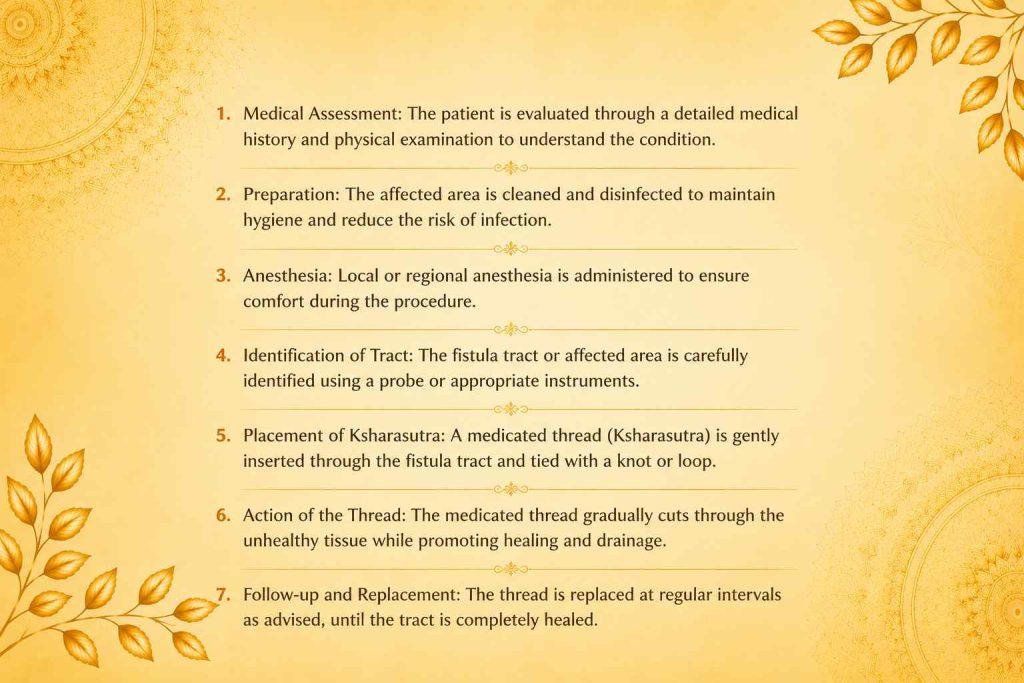
The exact steps may vary depending on the condition.
Generally, the procedure includes:
- Medical assessment
- Preparation of the affected area
- Local or regional anesthesia
- Placement of medicated Ksharasutra thread
- Regular thread replacement at scheduled intervals
- Monitoring healing progress
The thread gradually cuts through unhealthy tissue while promoting healing.
Recovery After Ksharasutra Treatment
Recovery varies depending on the severity of disease.
Patients are usually advised to:
- Keep the area clean
- Take prescribed medicines
- Attend follow-up visits
- Maintain soft bowel movements
- Drink enough water
- Eat fiber-rich foods
- Avoid prolonged sitting
- Maintain personal hygiene
Many people can resume light activities within a short period, depending on individual recovery.
Lifestyle Tips for Better Healing

Good lifestyle habits improve recovery.
Helpful tips include:
- Eat fruits and vegetables daily
- Increase dietary fiber
- Stay hydrated
- Avoid constipation
- Exercise regularly
- Maintain healthy body weight
- Avoid prolonged sitting
- Practice good anal hygiene
- Follow medical advice carefully
Possible Risks and Complications
Like any medical procedure, Ksharasutra treatment carries some risks.
Possible complications include:
- Mild pain
- Temporary bleeding
- Infection
- Delayed healing
- Local discomfort
- Swelling
Regular follow-up helps identify and manage these issues early.
Comparing Ksharasutra Treatment with Conventional Surgery
Feature Ksharasutra Treatment Conventional Surgery Tissue Damage Usually minimal May be greater Hospital Stay Often shorter May be longer Recovery Gradual Depends on surgery Recurrence Lower in selected fistula cases Varies Sphincter Preservation Better in many cases Depends on procedure Preparing for the Procedure
Preparation usually includes:
- Medical consultation
- Physical examination
- Blood tests
- Imaging if needed
- Medication review
- Dietary advice
- Bowel preparation if recommended
Following instructions improves treatment outcomes.
Questions to Ask Before Treatment
Before undergoing the procedure, consider asking:
- Is my condition suitable?
- What results can I expect?
- How many follow-up visits are needed?
- What precautions should I take?
- When can I return to work?
- Are there any alternatives?
- What dietary changes are recommended?
When Should You Consult a Healthcare Professional
Seek medical evaluation if you experience:
- Persistent anal pain
- Bleeding
- Recurrent swelling
- Pus discharge
- Fever with anal infection
- Difficulty passing stools
- Recurring fistula symptoms
Early treatment often prevents complications.
Conclusion
Understanding who is a candidate for Ksharasutra treatment helps patients choose the most appropriate management for anorectal disorders. Suitable candidates typically include individuals with anal fistula, selected hemorrhoids, pilonidal sinus, or chronic sinus tracts after proper medical evaluation. A thorough assessment determines whether this minimally invasive Ayurvedic procedure is the right option for each individual. If you are considering who is a candidate for Ksharasutra treatment, consulting a qualified healthcare professional in Thrissur can help you receive personalized guidance and appropriate care. To better understand who is suitable for Ksharasutra treatment, you can explore peer-reviewed clinical research on Ksharasutra therapy available through PubMed .
Frequently Asked Questions
Who is a candidate for Ksharasutra treatmentPeople with anal fistula, selected hemorrhoids, pilonidal sinus, or chronic sinus tracts may be suitable candidates after medical evaluation.
Is Ksharasutra treatment painfulMost patients experience mild discomfort, which is usually manageable with prescribed medications.
How long does recovery takeRecovery varies depending on the condition and severity, but many patients resume routine activities within a relatively short period.
Can recurrent fistula be treated with KsharasutraYes. It is commonly used for recurrent anal fistula in suitable patients.
Is hospitalization requiredMany patients require only a short hospital stay or day-care procedure, depending on their condition.
How often is the medicated thread changedThe thread is generally replaced at regular follow-up visits as advised by the treating healthcare provider.
Is Ksharasutra treatment safeWhen performed by trained professionals and in appropriately selected patients, it is considered a safe treatment option.
What foods should I eat after treatmentA high-fiber diet, fruits, vegetables, whole grains, and adequate water intake are generally recommended.
Can I return to work after Ksharasutra treatmentMany patients can return to light work within a few days, depending on individual recovery and medical advice.
Does Ksharasutra treatment prevent recurrenceIt has shown lower recurrence rates in selected anorectal conditions, particularly anal fistula, when combined with proper follow-up care.
-

Ksharasutra Specialist in Kerala
Ksharasutra Specialist in Kerala
Ksharasutra Specialist in Kerala is a search term commonly used by individuals looking for a trusted Ayurvedic approach to managing anorectal disorders such as anal fistula, piles, pilonidal sinus, and chronic sinus tracts. Ksharasutra therapy is one of Ayurveda’s well-established para-surgical procedures that combines traditional healing principles with minimally invasive treatment techniques. Choosing an experienced specialist is an important step toward receiving accurate diagnosis, personalized care, and effective long-term management.
Many people hesitate to seek treatment because anorectal disorders can feel uncomfortable to discuss. However, delaying medical evaluation may allow symptoms to worsen and increase the risk of complications. Learning about Ksharasutra therapy and understanding the role of a qualified specialist can help patients make informed healthcare decisions.
What Is Ksharasutra Therapy?
Ksharasutra therapy is a specialized Ayurvedic para-surgical treatment that uses a medicated herbal thread to gradually treat unhealthy tissue while promoting natural healing. The thread is prepared using herbal alkaline substances and medicinal coatings that work together throughout the treatment process.
Ksharasutra therapy is commonly considered for managing:
- Anal fistula
- Pilonidal sinus
- Certain chronic sinus tracts
- Selected anorectal disorders
The treatment aims to provide controlled healing while preserving surrounding healthy tissue, making it a recognized Ayurvedic option for suitable cases.
Why Choosing the Right Ksharasutra Specialist Matters
The success of Ksharasutra therapy depends not only on the procedure itself but also on the expertise of the treating doctor. An experienced Ksharasutra Specialist in Kerala carefully evaluates each patient’s condition before recommending the most appropriate treatment approach.
A qualified specialist can help by:
- Providing an accurate diagnosis
- Assessing the complexity of the condition
- Planning personalized treatment
- Monitoring healing progress
- Identifying potential complications early
- Offering recovery guidance and follow-up care
Since every patient has different clinical needs, individualized treatment planning plays an important role in achieving successful outcomes.
Conditions Commonly Managed by a Ksharasutra Specialist
Anal Fistula
Anal fistula is one of the most frequently managed conditions using Ksharasutra therapy. It develops as an abnormal tunnel connecting the anal canal to the surrounding skin, usually following an anal abscess.
Common symptoms include:
- Persistent discharge
- Pain around the anus
- Swelling
- Recurrent infections
- Skin irritation
Pilonidal Sinus
A pilonidal sinus develops near the tailbone and can become repeatedly infected if left untreated.
Symptoms often include:
- Swelling
- Pain
- Pus discharge
- Tenderness
- Redness
Selected Cases of Piles
Certain hemorrhoid cases may also be evaluated for Ayurvedic management depending on the patient’s condition and clinical findings. Patients who wish to understand this treatment approach in more detail can learn about Ksharasutra Treatment for Piles in Kerala.
Consulting a Ksharasutra Specialist in Kerala allows patients to receive a thorough assessment and determine whether Ksharasutra therapy is suitable for their condition.
How Ksharasutra Therapy Works
Ksharasutra therapy is based on three important therapeutic actions that occur simultaneously throughout the healing process.
Cleansing Action
The medicated thread helps cleanse the affected tract by removing unhealthy tissue and maintaining a clean healing environment.
Controlled Cutting Action
The thread gradually cuts through diseased tissue while allowing healing to occur at the same time.
Healing Action
The herbal medicinal coating supports tissue repair and encourages healthy regeneration during treatment.
These combined actions make Ksharasutra therapy a unique Ayurvedic treatment approach for suitable anorectal conditions.
What to Expect During Your Consultation
When visiting a Ksharasutra Specialist in Kerala, patients typically undergo a detailed clinical evaluation before treatment begins.
The consultation usually includes:
- Complete medical history
- Physical examination
- Symptom assessment
- Evaluation of the affected tract
- Review of previous treatments
- Individualized treatment planning
Based on the examination, the specialist recommends the most appropriate treatment strategy and explains the expected recovery process.
Preparing for Ksharasutra Treatment
Before beginning therapy, patients may receive specific preparation instructions to support a smooth treatment experience.
These recommendations often include:
- Medical evaluation
- Medication review
- Dietary guidance
- Bowel preparation when necessary
- Hygiene instructions
Following these recommendations helps prepare the body for treatment and supports better recovery.
Benefits of Consulting a Ksharasutra Specialist
Choosing an experienced Ksharasutra Specialist in Kerala offers several advantages beyond the procedure itself. Proper diagnosis, personalized treatment planning, and regular follow-up play an important role in achieving successful healing and reducing the likelihood of recurrence.
Some of the key benefits include:
Accurate Clinical Assessment
Every anorectal disorder is different. A specialist carefully evaluates the condition to determine whether Ksharasutra therapy is the most suitable treatment option.
Personalized Treatment Planning
No two patients experience the same symptoms or healing process. Treatment is customized according to the patient’s condition, medical history, and overall health.
Minimally Invasive Approach
For appropriate cases, Ksharasutra therapy offers an Ayurvedic para-surgical approach that focuses on controlled healing while minimizing damage to healthy surrounding tissues.
Regular Monitoring During Recovery
Healing is monitored through scheduled follow-up visits, allowing the specialist to assess progress and make necessary adjustments throughout the treatment period.
Long-Term Care
A Ksharasutra Specialist in Kerala not only focuses on treating the existing condition but also provides guidance to support long-term anorectal health and reduce the risk of future complications.
Recovery After Ksharasutra Treatment
Recovery is an important part of successful treatment. The healing process varies depending on the type of condition, the size of the tract, the patient’s overall health, and how well post-treatment instructions are followed.
During recovery, patients are generally advised to:
- Attend all scheduled follow-up visits
- Maintain proper personal hygiene
- Eat a balanced, fiber-rich diet
- Drink adequate amounts of water
- Avoid excessive physical strain
- Follow prescribed medications carefully
Patients consulting a Ksharasutra Specialist in Kerala receive continuous monitoring throughout the recovery period to ensure healthy healing and address any concerns promptly.

Who May Benefit from Ksharasutra Therapy?
Ksharasutra therapy may be considered for individuals diagnosed with specific anorectal disorders after a detailed clinical assessment.
Conditions that may be evaluated include:
- Anal fistula
- Pilonidal sinus
- Certain chronic sinus tracts
- Selected cases of piles
- Recurrent anorectal disorders
Suitability depends on the individual’s medical condition, symptoms, and examination findings. Consulting a qualified specialist ensures that the most appropriate treatment plan is recommended.
Common Myths About Ksharasutra Therapy
Many misconceptions surround Ayurvedic anorectal treatments. Understanding the facts helps patients make informed healthcare decisions.
Myth 1: Ksharasutra Therapy Is Only for Severe Cases
Ksharasutra therapy may be recommended for a range of suitable anorectal conditions depending on the clinical evaluation, not only for advanced disease.
Myth 2: Recovery Always Takes Several Months
Recovery varies from patient to patient. The duration depends on the condition being treated, its severity, and the individual’s healing response.
Myth 3: Conventional Surgery Is Always the Better Option
Treatment recommendations differ based on each patient’s diagnosis. In suitable cases, Ksharasutra therapy provides an established Ayurvedic alternative that focuses on gradual healing.
Myth 4: Follow-Up Is Not Important
Regular follow-up appointments are an essential part of treatment. They allow the Ksharasutra Specialist in Kerala to monitor healing, replace the medicated thread when required, and ensure steady recovery.
Why Early Treatment Matters
Many people postpone seeking medical attention for anorectal disorders because the symptoms may seem minor in the beginning or because they feel uncomfortable discussing the condition. However, delaying treatment can allow the disease to progress, leading to recurrent infections, increased discomfort, and more complex treatment requirements.
Consulting a Ksharasutra Specialist in Kerala at an early stage allows for timely diagnosis, proper evaluation, and a personalized treatment plan. Early intervention may help:
- Prevent recurrent infections
- Reduce pain and discomfort
- Support faster healing
- Minimize disease progression
- Improve overall quality of life
- Promote better long-term anorectal health
Timely medical attention often contributes to better treatment outcomes and a smoother recovery.
Supporting Long-Term Anorectal Health
Successful treatment extends beyond the procedure itself. Long-term anorectal health depends on maintaining healthy habits that support digestion and reduce pressure on the anorectal region.
Patients are generally encouraged to:
- Eat a balanced, fiber-rich diet
- Stay adequately hydrated
- Maintain proper personal hygiene
- Avoid prolonged constipation
- Exercise regularly
- Attend scheduled follow-up appointments
- Follow all treatment instructions carefully
These healthy practices complement treatment and contribute to better long-term outcomes.
Conclusion
A Ksharasutra Specialist in Kerala plays an important role in the diagnosis, treatment, and long-term management of anorectal disorders such as anal fistula, piles, pilonidal sinus, and chronic sinus tracts. With personalized evaluation, appropriate treatment planning, and regular follow-up, Ksharasutra therapy offers a well-established Ayurvedic approach for suitable cases while supporting controlled healing and improved quality of life.
If you are looking for a Ksharasutra Specialist in Kerala, seeking early medical evaluation can help determine the most suitable treatment for your condition. For additional scientific information, you can also read the on the management of internal hemorrhoids by Kshara Karma.
Frequently Asked Questions
A Ksharasutra Specialist in Kerala is an Ayurvedic doctor trained in performing Ksharasutra therapy for suitable anorectal conditions such as anal fistula, selected cases of piles, pilonidal sinus, and chronic sinus tracts.
A Ksharasutra Specialist commonly manages conditions including anal fistula, pilonidal sinus, selected cases of hemorrhoids (piles), chronic sinus tracts, and other anorectal disorders after a thorough clinical evaluation.
Ksharasutra therapy is an Ayurvedic para-surgical procedure that uses a specially prepared medicated herbal thread to gradually cleanse, heal, and treat the affected tract while promoting natural tissue repair.
No. The suitability of Ksharasutra therapy depends on the type and severity of the anorectal condition. A detailed evaluation by a Ksharasutra Specialist is necessary before recommending treatment.
Consulting a Ksharasutra Specialist in Kerala provides access to personalized treatment planning, accurate diagnosis, regular follow-up care, and traditional Ayurvedic management tailored to the patient’s condition.
Recovery varies depending on the condition being treated, the complexity of the tract, and the individual’s healing response. Following the specialist’s advice and attending follow-up visits can help support a smoother recovery.
Maintaining a high-fiber diet, staying hydrated, practicing good hygiene, avoiding straining during bowel movements, staying physically active, and following medical advice can support healing and long-term anorectal health.
Yes. Ksharasutra therapy is considered a minimally invasive Ayurvedic para-surgical approach that aims to treat the affected tissue while preserving the surrounding healthy structures in suitable cases.
Early consultation helps diagnose anorectal disorders before they become more complicated, allowing timely treatment that may reduce discomfort, prevent recurrent infections, and improve overall treatment outcomes.
When choosing a Ksharasutra Specialist in Kerala, look for experience in treating anorectal disorders, expertise in Ksharasutra therapy, personalized treatment planning, regular follow-up care, and a patient-centered Ayurvedic approach.

Recovery After Ksharasutra Treatment
7 Essential Recovery After Ksharasutra Treatment Tips Today
Recovery After Ksharasutra Treatment is an important phase that helps ensure proper healing and reduces the risk of complications. If you have recently undergone this Ayurvedic procedure or are planning to have it, understanding the recovery process can help you feel more confident and prepared. People in Thrissur and other regions often seek reliable information about what to expect after treatment, how long healing takes, and the best ways to care for the affected area.
The recovery period varies from one person to another depending on the severity of the condition, overall health, and how well post-treatment instructions are followed. Fortunately, most individuals can return to their routine gradually while following proper hygiene, dietary guidance, and wound care practices.
What Is Recovery After Ksharasutra Treatment
Recovery After Ksharasutra Treatment refers to the healing period following the Ayurvedic para-surgical procedure used primarily to treat anal fistula, pilonidal sinus, and certain other anorectal conditions. During this period, the medicated thread continues to promote healing while gradually helping the affected tract heal naturally.
Recovery focuses on:
- Proper wound healing
- Preventing infection
- Reducing discomfort
- Supporting healthy tissue regeneration
- Returning safely to normal activities
Careful follow-up and consistent self-care play a significant role in achieving successful results.
Why Proper Recovery Matters
Recovery After Ksharasutra Treatment is just as important as the procedure itself. Proper healing can:
- Reduce the risk of infection
- Improve comfort
- Support faster tissue repair
- Lower the chance of recurrence
- Help restore normal daily activities
Ignoring aftercare instructions may delay healing and increase discomfort.
Stages of Recovery After Ksharasutra Treatment
Immediate Recovery (First Few Days)
During the first few days, patients may notice:
- Mild pain
- Swelling
- Light discharge
- Slight bleeding
- Tenderness around the treated area
These symptoms are generally expected and usually improve with proper care.
Early Healing Phase
During the next few weeks:
- Swelling gradually reduces.
- Healthy tissue begins to develop.
- Drainage slowly decreases.
- Walking becomes easier.
- Daily activities become more comfortable.
Regular dressing changes and hygiene remain important.
Complete Healing Phase
Complete Recovery After Ksharasutra Treatment may take several weeks depending on:
- Size of the fistula
- Depth of the tract
- Individual healing ability
- Overall health
- Compliance with aftercare
Healing should always be monitored through scheduled follow-up visits.
Common Symptoms During Recovery After Ksharasutra Treatment
Many patients experience temporary symptoms while recovering.
Common symptoms include:
- Mild discomfort
- Burning sensation
- Drainage from the treated area
- Slight bleeding
- Itching during healing
- Tissue sensitivity
- Temporary difficulty while sitting
Most of these symptoms gradually improve with appropriate care.
Factors That Affect Recovery

Recovery After Ksharasutra Treatment varies depending on several factors.
Size of the Fistula
Larger fistulas generally require a longer healing period.
Personal Health
Conditions such as diabetes or poor immunity may slow recovery.
Nutrition
A balanced diet supports tissue repair and immune function.
Hygiene
Keeping the area clean helps prevent infection.
Follow-Up Care
Regular medical reviews help ensure healing progresses as expected.
Benefits of Following Proper Recovery Guidelines
Patients who carefully follow recovery instructions often experience several benefits.
These include:
- Faster wound healing
- Reduced pain
- Lower infection risk
- Better comfort
- Improved bowel movements
- Reduced recurrence risk
- Greater confidence during recovery
Diet During Recovery After Ksharasutra Treatment
A healthy diet supports the body’s natural healing process.
Recommended Foods
Include:
- Fresh fruits
- Leafy vegetables
- Whole grains
- Lentils
- High-fiber foods
- Yogurt
- Fresh juices
- Protein-rich meals
Adequate hydration is equally important.
Foods to Limit
Avoid excessive intake of:
- Very spicy foods
- Deep-fried meals
- Highly processed foods
- Excess sugar
- Alcohol
- Foods that may cause constipation
A balanced diet promotes smoother bowel movements and reduces strain.
Daily Hygiene Tips
Maintaining cleanliness is essential during Recovery After Ksharasutra Treatment.
Helpful practices include:
- Wash gently after bowel movements.
- Keep the area dry.
- Change dressings as instructed.
- Wear clean cotton underwear.
- Wash hands before wound care.
- Follow all cleaning instructions carefully.
Good hygiene significantly reduces infection risk.
Physical Activity During Recovery
Light activity usually helps improve circulation.
Recommended activities include:
- Short walks
- Gentle stretching
- Slow movement around the house
Avoid:
- Heavy lifting
- Intense exercise
- Cycling for long periods
- Prolonged sitting
- Strenuous physical work
Always resume physical activities according to professional advice.
Managing Pain and Discomfort
Some discomfort is normal during Recovery After Ksharasutra Treatment.
Pain may be managed through:
- Prescribed medications
- Warm sitz baths
- Adequate rest
- Good hydration
- Proper wound care
Avoid self-medicating without professional guidance.
Importance of Sitz Baths
Warm sitz baths are commonly recommended during recovery.
Benefits include:
- Improved cleanliness
- Better blood circulation
- Reduced discomfort
- Relaxation of surrounding muscles
- Easier bowel movements
They may be recommended several times daily depending on individual needs.
Preventing Constipation
Constipation can increase discomfort during recovery.
Helpful measures include:
- Drink sufficient water.
- Eat high-fiber foods.
- Stay physically active.
- Avoid delaying bowel movements.
- Follow dietary recommendations.
Soft stools reduce pressure on the healing tissues.
Signs of Healthy Healing
Positive signs during Recovery After Ksharasutra Treatment include:
- Reduced drainage
- Less pain
- Healthy tissue formation
- Decreasing swelling
- Improved mobility
- Better comfort during bowel movements
Healing generally progresses gradually rather than all at once.
Possible Complications During Recovery After Ksharasutra Treatment

Although Recovery After Ksharasutra Treatment is usually smooth when proper aftercare is followed, some people may experience complications. Identifying these early can help prevent further problems.
Possible complications include:
- Persistent or increasing pain
- Excessive bleeding
- Foul-smelling discharge
- Infection around the wound
- Delayed wound healing
- Fever accompanied by wound discomfort
- Increased swelling or redness
- Difficulty passing stools due to severe pain
Most complications can be managed effectively when addressed promptly.
Warning Signs That Need Medical Attention
While mild discomfort is expected, certain symptoms should not be ignored during Recovery After Ksharasutra Treatment.
Seek medical advice if you notice:
- Heavy or continuous bleeding
- High fever
- Severe pain that worsens instead of improving
- Thick yellow or green discharge
- Increasing swelling
- Bad odor from the wound
- Difficulty controlling bowel movements
- No noticeable healing after several weeks
Early evaluation helps prevent more serious complications and supports better healing.
Long-Term Care After Recovery After Ksharasutra Treatment
Even after the wound has healed, maintaining healthy habits can reduce the likelihood of future anorectal problems.
Long-term care includes:
- Eating a balanced, fiber-rich diet
- Drinking plenty of water every day
- Exercising regularly
- Maintaining a healthy body weight
- Avoiding prolonged constipation
- Practicing good personal hygiene
- Attending follow-up appointments if advised
Healthy lifestyle habits support long-term well-being.
Lifestyle Tips for Better Recovery After Ksharasutra Treatment
Simple daily habits can make the recovery process more comfortable.
Stay Hydrated
Water supports digestion and helps keep stools soft, reducing strain during bowel movements.
Eat Balanced Meals
Include:
- Whole grains
- Fresh vegetables
- Seasonal fruits
- Lean proteins
- Healthy fats
These foods provide nutrients that support tissue repair.
Get Enough Rest
Sleep is essential for healing. Aim for adequate rest each night to help your body recover efficiently.
Avoid Smoking and Alcohol
Smoking and excessive alcohol consumption may interfere with the body’s natural healing process and should be avoided during recovery.
Follow Instructions Carefully
Always:
- Take prescribed medications as directed.
- Attend scheduled follow-up visits.
- Perform wound care exactly as instructed.
- Avoid stopping treatment without professional advice.
Recovery Timeline
| Recovery Stage | What You Can Expect |
|---|---|
| Days 1–3 | Mild pain, swelling, light bleeding, and discharge |
| Week 1 | Reduced discomfort with regular wound care |
| Weeks 2–4 | Improved tissue healing and less drainage |
| Weeks 4–8 | Significant healing with gradual return to normal activities |
| Complete Recovery | Depends on the condition and individual healing response |
The exact timeline varies for every individual.
Tips to Support Faster Recovery After Ksharasutra Treatment
Following healthy habits consistently can contribute to smoother healing.
Helpful tips include:
- Drink enough water daily.
- Eat fiber-rich foods.
- Avoid constipation.
- Take medications on time.
- Keep the treated area clean.
- Use warm sitz baths if advised.
- Avoid lifting heavy objects.
- Wear loose, comfortable clothing.
- Stay physically active with gentle walking.
- Attend every scheduled follow-up visit.
These measures help promote a safer and more comfortable recovery.
Conclusion
Recovery After Ksharasutra Treatment is an essential part of achieving successful healing and long-term comfort. Most individuals recover well when they maintain good hygiene, eat a nutritious diet, stay physically active with gentle movements, and follow post-treatment instructions carefully. Patience is important because healing occurs gradually, and every person recovers at a different pace. By understanding what to expect and recognizing warning signs early, you can support a smoother recovery journey and return to normal daily activities with greater confidence. Whether you are preparing for treatment or currently recovering in Thrissur, following appropriate aftercare practices can make a meaningful difference in your overall healing experience. For additional educational information on digestive and colorectal health, you can refer to the National Institute of Diabetes and Digestive and Kidney Diseases (NIDDK), which offers evidence-based resources on gastrointestinal conditions.
Frequently Asked Questions
How long does Recovery After Ksharasutra Treatment usually take
Recovery time varies depending on the size and complexity of the condition. Many people experience gradual healing over several weeks, while complete recovery may take longer in some cases.
Is pain normal after Ksharasutra Treatment
Yes. Mild to moderate pain, slight bleeding, and discharge are common during the initial recovery period and generally improve over time.
Can I walk after the procedure
Yes. Gentle walking is often encouraged because it improves blood circulation and supports healing. Avoid strenuous activities until advised otherwise.
What foods should I eat during Recovery After Ksharasutra Treatment
A diet rich in fiber, fruits, vegetables, whole grains, lean protein, and adequate fluids is recommended to support healing and prevent constipation.
Can I take a bath during recovery?
Many individuals can bathe normally, but it is important to keep the wound clean and follow the specific hygiene instructions provided after the procedure.
Is discharge normal after the treatment
Yes. Mild drainage from the treated area is expected during healing and usually decreases gradually.
When can I return to work
This depends on the nature of your work and your recovery progress. Desk jobs may be resumed earlier than physically demanding work after appropriate medical advice.
How can constipation be prevented
Drink plenty of water, eat high-fiber foods, remain physically active, and avoid delaying bowel movements.
Can the condition return after treatment
Proper treatment and consistent follow-up care help reduce the risk of recurrence, although every patient’s condition is different.
When should I contact a healthcare provider
Seek medical attention if you develop severe pain, heavy bleeding, fever, foul-smelling discharge, or signs of infection.
Ksharasutra Treatment in Thiruvananthapuram – A Complete Guide
Ksharasutra Treatment in Thiruvananthapuram – A Complete Guide
Ksharasutra Treatment in Thiruvananthapuram is often considered by people looking for an Ayurvedic approach to anorectal concerns such as piles, fistula, pain, swelling, discharge, itching, or discomfort during bowel movements. In Kerala, Ayurveda has a long history of digestive and anorectal care, and Ksharasutra is one traditional method used after proper evaluation.
What Is Ksharasutra Treatment in Thiruvananthapuram?
Ksharasutra Treatment in Thiruvananthapuram refers to an Ayurvedic parasurgical method that uses a specially prepared medicated thread. The word “Kshara” refers to an alkaline herbal preparation, and “Sutra” means thread. This medicated thread is traditionally used in selected anorectal conditions under professional supervision.
Ksharasutra treatment is not a general home remedy. It should be done only after diagnosis and assessment by a trained practitioner. The treatment plan may depend on the condition, severity, symptoms, age, general health, bowel habits, and medical history.
In Ayurveda, anorectal problems are often connected with digestion, bowel movement pattern, diet, lifestyle, and body balance. That is why Ksharasutra care may also include food guidance, hydration advice, bowel habit correction, and follow-up visits.
Common Conditions Linked With Ksharasutra Care
Ksharasutra Treatment in Thiruvananthapuram may be discussed for certain anorectal problems after clinical examination. These may include:
- Piles or hemorrhoids
- Anal fistula
- Recurrent anal discharge
- Painful swelling near the anal region
- Chronic irritation around the anus
- Some cases of non-healing anorectal tract
However, every patient is different. Similar symptoms may also occur due to fissures, infections, abscesses, skin irritation, inflammatory bowel issues, or other medical problems. So, proper diagnosis is very important before choosing Ksharasutra Treatment in Thiruvananthapuram.
Causes of Anorectal Problems
Many people search for Ksharasutra Treatment in Thiruvananthapuram after facing repeated anorectal symptoms. The cause may not be the same for everyone. Common contributing factors include:
Chronic Constipation
Hard stools and repeated straining can put pressure on the anal region. This may worsen piles, irritation, pain, or bleeding.
Low-Fiber Diet
A diet low in vegetables, fruits, whole grains, and fluids may lead to poor bowel movement. Poor digestion can increase discomfort.
- Prolonged Sitting
Sitting for long hours may increase pressure in the lower rectal area. This can worsen swelling, heaviness, and irritation.
- Repeated Straining
Spending too much time in the toilet or forcing bowel movements may aggravate anorectal symptoms.
- Poor Hydration
Not drinking enough water can make stools harder and increase constipation.
- Infection or Abscess History
Some fistula cases may develop after an anal abscess or repeated infection near the anal region.
- Lifestyle Factors
Lack of movement, irregular meals, stress, heavy lifting, and poor sleep may affect digestion and bowel habits.
Symptoms That Need Attention
People may consider Ksharasutra Treatment in Thiruvananthapuram when symptoms keep returning or do not settle with basic care. Common symptoms include:
- Pain during or after bowel movement
- Itching around the anal area
- Swelling or lump near the anus
- Bleeding during stool passage
- Mucus or pus-like discharge
- Burning sensation
- Recurrent infection
- Feeling of incomplete evacuation
- Difficulty sitting comfortably
- Wetness or irritation around the anal region
Ignoring these symptoms may delay proper diagnosis. Early evaluation can help identify whether the problem is piles, fistula, fissure, infection, or another condition.
Benefits of Ksharasutra Treatment in Thiruvananthapuram
Ksharasutra Treatment in Thiruvananthapuram is valued because it combines a traditional Ayurvedic procedure with supportive care. Possible benefits may include:
Traditional Ayurvedic Approach
The method is based on Ayurvedic principles and has been used in anorectal care for a long time.
Individualized Care
Treatment is usually planned according to the patient’s condition rather than using the same approach for everyone.
Focus on Root Factors
Along with the procedure, care may include constipation management, diet correction, digestive support, and lifestyle changes.
Follow-Up Based Monitoring
Regular follow-up helps the practitioner understand healing progress and adjust care when needed.
Support for Long-Term Bowel Health
Good bowel habits and diet support may help reduce repeated strain and discomfort.
Ksharasutra Treatment for Piles
Piles are swollen veins in the lower rectum or around the anus. They may cause bleeding, itching, swelling, pain, or prolapse. Ksharasutra Treatment in Thiruvananthapuram may be considered in selected cases after proper examination.
Internal piles may cause painless bleeding, mucus discharge, or a feeling of incomplete bowel emptying. External piles may cause pain, swelling, and irritation. The treatment choice depends on the grade of piles, severity of symptoms, and overall health.
Ksharasutra Treatment for Fistula
An anal fistula is a small tunnel that may form between the anal canal and the skin near the anus. It may cause discharge, repeated swelling, pain, or infection. Ksharasutra Treatment in Thiruvananthapuram may be discussed for certain fistula cases after diagnosis.
Fistula care needs careful evaluation because the tract location, depth, branching, and infection status matter. A qualified practitioner can decide the right treatment method.
Diet Tips During Ksharasutra Care
Diet is an important part of Ksharasutra Treatment in Thiruvananthapuram. Food habits can affect constipation, digestion, stool softness, and recovery comfort.

When Should You Consult a Practitioner?
You should seek professional advice if you have:
- Bleeding during bowel movement
- Repeated anal pain
- Pus or fluid discharge
- Swelling near the anus
- Fever with anal pain
- Symptoms that return often
- Severe constipation
- Pain while sitting
- Long-term itching or burning
Ksharasutra Treatment in Thiruvananthapuram should be considered only after proper diagnosis. Early consultation helps avoid confusion and supports better treatment planning.
Safety and Professional Evaluation
Anorectal symptoms can feel embarrassing, but delaying care can make the problem harder to manage. Professional evaluation helps identify the correct cause. It also helps decide whether Ksharasutra Treatment in Thiruvananthapuram, medicines, diet support, or another treatment method is suitable.
Patients should openly share symptoms, previous treatments, medical conditions, allergies, and current medicines. This helps the practitioner plan safer care.
Conclusion
Ksharasutra Treatment in Thiruvananthapuram is a traditional Ayurvedic approach used in selected anorectal conditions such as piles and fistula. It focuses not only on the procedure but also on digestion, bowel habits, diet, hydration, hygiene, and lifestyle support.
Anyone experiencing bleeding, pain, swelling, discharge, itching, or repeated anorectal discomfort should avoid guessing the cause. A proper consultation can help identify the condition and choose the right care plan. For people looking for Ayurvedic anorectal care in Kerala, Ksharasutra Treatment in Thiruvananthapuram may be considered after professional evaluation and personalized guidance.
For additional evidence-based information about this Ayurvedic procedure, readers can explore resources available through the National Center of Biotechnology Information (NCBI), which provides access to scientific literature and research related to Ksharasutra Therapy and anorectal disorders.
FREQUENTLY ASKED QUESTIONS
+
What is Ksharasutra Treatment in Thiruvananthapuram?
Ksharasutra Treatment in Thiruvananthapuram is an Ayurvedic method that uses a medicated thread for selected anorectal conditions after professional evaluation.
+
Is Ksharasutra used for piles?
Yes, Ksharasutra may be considered for certain piles cases depending on symptoms, grade, and practitioner assessment.
+
Is Ksharasutra used for fistula?
Ksharasutra is commonly discussed in Ayurvedic anorectal care for selected fistula cases. Proper diagnosis is required.
+
Is the treatment suitable for everyone?
No. Suitability depends on the condition, severity, general health, and clinical findings.
+
Does diet matter during treatment?
Yes. Fiber, hydration, and healthy bowel habits may support comfort and recovery.
+
Can constipation worsen anorectal problems?
Yes. Constipation and straining can increase pain, swelling, bleeding, and discomfort.
+
How many visits are needed?
The number of visits may vary based on the condition and healing progress.
+
Can I manage piles at home?
Mild symptoms may improve with diet and bowel care, but bleeding, pain, swelling, or discharge needs professional evaluation.
+
Is follow-up important?
Yes. Follow-up helps monitor progress and allows the practitioner to guide recovery properly.
+
What should I ask before treatment?
Ask about diagnosis, suitability, procedure steps, follow-up schedule, diet advice, precautions, and expected recovery support.

Best Ayurvedic Hospital for Ksharasutra Treatment in Kerala
7 Powerful Reasons to Choose Best Ayurvedic Hospital Kerala
Choosing the Best Ayurvedic Hospital for Ksharasutra Treatment in Kerala is an important decision for individuals seeking a traditional and effective approach to managing anorectal conditions. This specialized Ayurvedic treatment has gained attention for its ability to address issues such as fistula-in-ano, hemorrhoids, and related disorders through a minimally invasive method. Many patients from Thrissur and other regions look for trusted Ayurvedic institutions that provide authentic Ksharasutra therapy with proper care and follow-up.
The Best Ayurvedic Hospital for Ksharasutra Treatment in Kerala focuses on combining classical Ayurvedic principles with modern standards of hygiene and patient management. Understanding how Ksharasutra treatment works and what to expect can help patients make informed healthcare decisions.
What Is Ksharasutra Treatment
Ksharasutra treatment is a specialized Ayurvedic para-surgical procedure used mainly for anorectal disorders. A medicated thread coated with herbal alkaline substances is carefully placed in the affected tract. Over time, the thread helps remove unhealthy tissue while supporting healing.
The procedure has been described in classical Ayurvedic texts and continues to be widely practiced today.
Common conditions treated include:
- Anal fistula
- Hemorrhoids
- Pilonidal sinus
- Certain chronic anorectal disorders
The Best Ayurvedic Hospital for Ksharasutra Treatment in Kerala follows established treatment protocols to ensure safety and effectiveness throughout the healing process.
Why Patients Search for the Best Ayurvedic Hospital for Ksharasutra Treatment in Kerala
Finding the right hospital is essential because the quality of care directly influences treatment outcomes.
Patients often look for:
- Experienced Ayurvedic practitioners
- Dedicated Ksharasutra treatment units
- Proper diagnosis facilities
- Hygienic treatment environment
- Comprehensive follow-up care
- Personalized treatment plans
The Best Ayurvedic Hospital for Ksharasutra Treatment in Kerala typically provides all these services under one roof.
Conditions Commonly Treated with Ksharasutra
Anal Fistula
Anal fistula is one of the most common reasons patients seek Ksharasutra treatment. It involves an abnormal connection between the anal canal and surrounding skin.
Symptoms may include:
- Persistent discharge
- Pain around the anus
- Swelling
- Recurrent infections
Hemorrhoids
Hemorrhoids are swollen veins in the rectal region that may cause discomfort and bleeding.
Common symptoms:
- Pain during bowel movements
- Bleeding
- Itching
- Swelling
Pilonidal Sinus
This condition occurs near the tailbone and can become infected repeatedly.
Symptoms include:
- Pain
- Redness
- Discharge
- Swelling
The Best Ayurvedic Hospital for Ksharasutra Treatment in Kerala usually evaluates each condition carefully before recommending treatment.
Causes of Anorectal Disorders
Several factors may contribute to anorectal diseases.
Lifestyle Factors
- Sedentary habits
- Lack of physical activity
- Poor dietary choices
Digestive Issues
- Chronic constipation
- Irregular bowel habits
- Straining during bowel movements
Infection and Inflammation
Certain infections and inflammatory conditions can increase the risk of developing fistulas and related disorders.
Genetic Factors
Some individuals may have a greater predisposition due to family history.
Understanding these causes helps healthcare providers at the Best Ayurvedic Hospital for Ksharasutra Treatment in Kerala create personalized management strategies.
Symptoms That Should Not Be Ignored
Early recognition of symptoms can lead to timely treatment.
Watch for:
- Persistent anal pain
- Recurrent swelling
- Bleeding during bowel movements
- Pus discharge
- Itching around the anal region
- Fever associated with anorectal infections
- Difficulty sitting comfortably
If these symptoms continue for an extended period, professional evaluation becomes important.
How Ksharasutra Treatment Works
The treatment process involves several stages.
Initial Assessment
A detailed evaluation is performed to understand the condition and its severity.
Preparation
The treatment area is prepared according to standard procedures.
Placement of Medicated Thread
The specially prepared Ksharasutra thread is placed within the affected tract.
Follow-Up Sessions
Regular follow-up visits are necessary for thread changes and progress monitoring.
Healing Phase
Gradually, the tract heals while unhealthy tissue is removed.
The Best Ayurvedic Hospital for Ksharasutra Treatment in Kerala emphasizes careful monitoring during every stage.
Benefits of Choosing the Best Ayurvedic Hospital for Ksharasutra Treatment in Kerala

Many patients choose Ksharasutra because of its unique advantages.
1. Traditional Ayurvedic Approach
The therapy follows established Ayurvedic principles developed over centuries.
2. Targeted Treatment
The medicated thread works directly within the affected area.
3. Structured Follow-Up
Regular monitoring allows practitioners to assess healing progress.
4. Individualized Care
Treatment plans are customized according to patient needs.
5. Comprehensive Management
Diet, lifestyle, and supportive therapies may be included.
6. Focus on Long-Term Recovery
The goal is not only symptom management but also overall well-being.
7. Patient Education
Patients receive guidance regarding recovery and prevention.
These advantages contribute to the popularity of the Best Ayurvedic Hospital for Ksharasutra Treatment in Kerala among those seeking specialized care.
Features of a Good Ayurvedic Ksharasutra Hospital

Not every facility offers the same level of care.
Important features include:
Dedicated Ksharasutra Department
A specialized treatment unit ensures focused patient care.
Experienced Team
Skilled practitioners can assess and manage complex cases effectively.
Clean Treatment Environment
Maintaining hygiene standards is crucial.
Patient-Centered Approach
Hospitals should prioritize patient comfort and communication.
Comprehensive Follow-Up System
Regular reviews help optimize treatment outcomes.
When searching for the Best Ayurvedic Hospital for Ksharasutra Treatment in Kerala, these factors deserve careful consideration.
Dietary Tips During Ksharasutra Treatment
Diet often plays an important role during recovery.
Recommended foods:
- Fresh vegetables
- Fruits rich in fiber
- Whole grains
- Adequate water intake
Foods to limit:
- Excessively spicy foods
- Processed foods
- Deep-fried items
- Excessive sugary products
Following dietary guidance may support digestive health during treatment.
Lifestyle Tips for Better Recovery
Simple lifestyle modifications may help patients recover comfortably.
Stay Hydrated
Adequate water intake supports bowel regularity.
Maintain Physical Activity
Light exercise may promote overall wellness.
Avoid Straining
Reducing strain during bowel movements can help prevent discomfort.
Follow Medical Advice
Attend all scheduled follow-up appointments.
Maintain Personal Hygiene
Proper hygiene practices are important throughout recovery.
The Best Ayurvedic Hospital for Ksharasutra Treatment in Kerala typically provides individualized lifestyle recommendations.
Recovery and Follow-Up Care
Recovery varies from person to person.
Factors influencing recovery include:
- Nature of the condition
- Severity of disease
- Overall health
- Compliance with treatment recommendations
Regular monitoring allows practitioners to evaluate healing and make necessary adjustments.
Patients are encouraged to communicate any concerns during the recovery period.
Why the Best Ayurvedic Hospital for Ksharasutra Treatment in Kerala Stands Out
Specialized hospitals focus on delivering structured care throughout the patient journey.
Key strengths often include:
- Authentic Ayurvedic treatment protocols
- Personalized assessment
- Dedicated support teams
- Patient education
- Consistent follow-up care
These qualities make the Best Ayurvedic Hospital for Ksharasutra Treatment in Kerala a preferred choice for many individuals seeking Ayurvedic anorectal care.
Conclusion
Selecting the Best Ayurvedic Hospital for Ksharasutra Treatment in Kerala requires careful evaluation of expertise, treatment facilities, patient care standards, and follow-up support. A well-equipped Ayurvedic hospital can provide comprehensive management for fistula, hemorrhoids, pilonidal sinus, and related anorectal conditions using established Ksharasutra techniques. Patients seeking reliable treatment options in Thrissur and across the state often prioritize hospitals that combine traditional Ayurvedic wisdom with modern healthcare practices for a structured and patient-focused experience. For evidence-based information about Ayurveda and Ksharasutra-related research, visit the National Center for Complementary and Integrative Health (NCCIH) , which provides reliable educational resources on traditional and complementary medicine approaches.
Frequently Asked Questions
What is Ksharasutra treatment
Ksharasutra treatment is an Ayurvedic para-surgical procedure that uses a medicated thread to manage specific anorectal conditions.
Which conditions can be treated using Ksharasutra
It is commonly used for anal fistula, hemorrhoids, and pilonidal sinus.
Is Ksharasutra an Ayurvedic treatment
Yes, it is a specialized treatment method described in classical Ayurvedic texts.
How long does Ksharasutra treatment take
The duration varies depending on the patient’s condition and healing response.
Why choose the Best Ayurvedic Hospital for Ksharasutra Treatment in Kerala
Specialized hospitals provide dedicated care, experienced practitioners, and structured follow-up support.
Is follow-up important during treatment
Yes, regular follow-up visits are essential for monitoring progress and adjusting treatment when needed.
Can diet influence recovery
A healthy diet rich in fiber and fluids may support digestive health during recovery.
What symptoms may indicate the need for evaluation
Persistent pain, discharge, swelling, bleeding, or recurrent infections should be assessed by a healthcare professional.
Is hospitalization always required
The requirement depends on the specific condition and treatment plan.
What should patients look for in an Ayurvedic hospital
Experience, hygiene standards, dedicated facilities, patient care, and follow-up systems are important considerations.

Ayurvedic Ksharasutra Treatment in Kerala
7 Powerful Ayurvedic Ksharasutra Treatment in Kerala Guide
Ayurvedic Ksharasutra Treatment in Kerala is a well-known Ayurvedic procedure used mainly for anorectal conditions such as fistula-in-ano, piles, and fissures. This traditional treatment combines ancient Ayurvedic principles with a specialized medicated thread technique that helps manage affected tissues gradually and effectively.
Many people seek Ayurvedic Ksharasutra Treatment in Kerala because it focuses on treating the condition while supporting the body’s natural healing process. In Thrissur, interest in this treatment has grown among individuals looking for an Ayurvedic approach for chronic anorectal disorders.
Unlike many conventional approaches, Ksharasutra therapy is designed to work directly on the affected tract or tissue. The treatment has been described in classical Ayurvedic texts and continues to be practiced in modern Ayurvedic healthcare settings.
What Is Ayurvedic Ksharasutra Treatment in Kerala
Ayurvedic Ksharasutra Treatment in Kerala is a specialized Ayurvedic parasurgical procedure that uses a medicated thread known as Ksharasutra. This thread is coated with herbal alkaline medicines and therapeutic ingredients.
The medicated thread is carefully placed in the affected tract or tissue. Over time, it helps:
- Remove unhealthy tissue
- Promote healing
- Support tissue regeneration
- Reduce the risk of recurrence
- Encourage natural recovery
The treatment follows established Ayurvedic principles and is commonly recommended for selected anorectal conditions.
Understanding the Ksharasutra Technique
The Ksharasutra technique involves the use of a specially prepared medicinal thread. The thread is coated multiple times with herbal ingredients and alkaline substances according to Ayurvedic guidelines.
Key Components of Ksharasutra
- Herbal alkaline preparations
- Medicinal plant extracts
- Natural healing agents
- Traditional Ayurvedic formulations
These ingredients work together to support cleansing and healing of the affected area.
Conditions Commonly Treated
1. Fistula-in-Ano
Fistula-in-ano is one of the most common conditions managed through Ksharasutra therapy. It involves an abnormal tract connecting the anal canal to the skin around the anus.
2. Piles (Hemorrhoids)
Certain types of hemorrhoids may be managed using Ksharasutra-based techniques depending on the condition and severity.
3. Anal Fissure
Anal fissures are small tears in the anal lining that may cause pain and discomfort during bowel movements.
4. Pilonidal Sinus
Some pilonidal sinus cases may be considered for Ksharasutra management under appropriate medical supervision.
Causes of Anorectal Disorders
Several factors may contribute to conditions treated with Ksharasutra therapy.
Common Causes
- Chronic constipation
- Poor dietary habits
- Low fiber intake
- Sedentary lifestyle
- Repeated infections
- Straining during bowel movements
- Obesity
- Digestive disturbances
Identifying contributing factors is important for long-term management and prevention.
Symptoms That May Indicate the Need for Treatment
The symptoms vary depending on the condition involved.
Common Symptoms
- Pain during bowel movements
- Bleeding from the anal region
- Swelling around the anus
- Discharge from a fistula opening
- Persistent itching
- Burning sensation
- Recurrent infections
- Difficulty sitting comfortably
If symptoms persist, professional evaluation is important.
How Ayurvedic Ksharasutra Treatment in Kerala Works
The effectiveness of Ayurvedic Ksharasutra Treatment in Kerala is based on the gradual action of the medicated thread.
Treatment Process
Assessment
The condition is carefully evaluated to determine suitability for Ksharasutra therapy.
Placement of Ksharasutra
The medicated thread is positioned within the affected tract or tissue.
Periodic Follow-Up
The thread may be replaced at scheduled intervals depending on the treatment plan.
Progressive Healing
The medicated thread gradually acts on unhealthy tissue while supporting healing.
Recovery
Healthy tissue develops over time as the affected area heals.
Benefits of Ayurvedic Ksharasutra Treatment in Kerala
Many individuals choose Ayurvedic Ksharasutra Treatment in Kerala because of its unique advantages.
Natural Ayurvedic Approach
The procedure is based on traditional Ayurvedic principles and herbal formulations.
Targeted Action
The medicated thread works directly on the affected tract.
Supports Tissue Healing
The treatment encourages gradual healing and recovery.
Reduced Tissue Damage
The procedure focuses on the diseased tract while preserving surrounding healthy tissues.
Established Ayurvedic Method
Ksharasutra has been practiced and studied for many years within Ayurveda.
May Help Lower Recurrence Risk
Proper treatment and follow-up may contribute to long-term management.
Preparation Before Ksharasutra Treatment
Proper preparation helps improve the treatment experience.
Recommended Steps
- Follow medical advice carefully
- Maintain good hydration
- Eat a balanced diet
- Avoid excessive straining
- Inform the healthcare provider about existing conditions
- Follow bowel preparation instructions if advised
Recovery After Treatment
Recovery varies based on the condition, tract length, overall health, and individual healing response.
Recovery Tips
- Follow post-treatment instructions
- Maintain hygiene
- Eat fiber-rich foods
- Drink adequate water
- Attend follow-up visits
- Avoid prolonged sitting when possible
- Stay physically active as advised
Good lifestyle habits can support the healing process.
Dietary Recommendations During Recovery
Diet plays an important role in anorectal health.
Foods to Include
- Fresh fruits
- Vegetables
- Whole grains
- Lentils
- Adequate fluids
- Fiber-rich foods
Foods to Limit
- Excessively spicy foods
- Highly processed foods
- Low-fiber diets
- Inadequate water intake
A balanced diet can help maintain healthy bowel movements.
Lifestyle Tips for Better Outcomes
Combining treatment with healthy habits may improve overall well-being.
Helpful Practices
- Regular exercise
- Proper hydration
- Stress management
- Consistent sleep schedule
- Healthy eating habits
- Timely bowel movements
These measures support digestive and anorectal health.
Who May Be Suitable for Ksharasutra Treatment
Suitability depends on the condition, severity, and individual health status.
Potential candidates may include individuals experiencing:
- Chronic fistula-in-ano
- Selected hemorrhoid conditions
- Certain anal fissures
- Recurrent anorectal complaints
A detailed evaluation is necessary before proceeding with treatment.
Why Ayurveda Emphasizes Holistic Healing
Ayurveda focuses not only on the affected area but also on overall health and balance.
This approach may include:
- Dietary guidance
- Lifestyle recommendations
- Herbal support
- Follow-up care
- Preventive strategies
The goal is to support both treatment and long-term wellness.
Conclusion
Ayurvedic Ksharasutra Treatment in Kerala remains an important Ayurvedic procedure for managing selected anorectal conditions such as fistula-in-ano, piles, fissures, and related disorders. The medicated thread technique works gradually while supporting tissue healing and recovery. When combined with proper diet, lifestyle measures, and regular follow-up, Ayurvedic Ksharasutra Treatment in Kerala can play a valuable role in comprehensive anorectal care. Individuals seeking information about this traditional Ayurvedic approach in Thrissur should always obtain professional evaluation to determine the most appropriate treatment plan. For detailed information about Ksharasutra therapy from the official Government of Kerala Ayurveda Department, visit Ksharasutra – Kerala Ayurveda Services Portal, which explains the procedure, conditions treated, and key benefits of this Ayurvedic parasurgical treatment.
Frequently Asked Questions
What is Ayurvedic Ksharasutra Treatment in Kerala
It is an Ayurvedic parasurgical procedure that uses a medicated thread to manage selected anorectal conditions.
Which conditions are commonly treated with Ksharasutra
Fistula-in-ano, piles, fissures, and some pilonidal sinus cases are commonly considered.
Is Ksharasutra an Ayurvedic treatment
Yes. It is a traditional Ayurvedic procedure described in Ayurvedic literature.
How does the medicated thread work
The thread gradually acts on unhealthy tissue while supporting healing.
Is follow-up necessary during treatment
Yes. Regular follow-up appointments are typically an important part of the process.
Can diet affect recovery
Yes. Fiber-rich foods and proper hydration can support recovery.
How long does treatment take
The duration varies depending on the condition and individual factors.
Can Ksharasutra be used for fistula-in-ano
Yes. It is commonly used for selected fistula-in-ano cases.
What lifestyle changes may help after treatment
Healthy diet, hydration, exercise, and proper bowel habits may be beneficial.
Is professional assessment necessary before treatment
Yes. A complete evaluation is important to determine suitability and treatment planning.