Author: admin

  • Best Ksharasutra Treatment in Kerala

    Best Ksharasutra Treatment in Kerala

    7 Powerful Facts About Best Ksharasutra Treatment in Kerala

    Finding the Best Ksharasutra Treatment in Kerala is an important step for individuals looking for a minimally invasive Ayurvedic approach to managing anorectal conditions, especially fistula-in-ano. This traditional treatment method has been practiced for centuries and continues to be widely preferred because of its effectiveness and lower recurrence rates. Many patients from Thrissur and other regions seek this treatment due to its holistic approach, reduced surgical trauma, and focus on long-term healing.

    Ksharasutra is a specialized Ayurvedic procedure that uses a medicated thread to treat fistula tracts gradually and effectively. Understanding how it works, its benefits, and who can benefit from it can help patients make informed healthcare decisions.

    What Is Ksharasutra Treatment

    Ksharasutra is an Ayurvedic parasurgical procedure used primarily for the management of fistula-in-ano, piles, and certain sinus conditions. The treatment involves the use of a specially prepared medicated thread coated with herbal alkaline substances.

    The thread is carefully placed within the fistula tract. Over time, it helps:

    • Gradually cut through the unhealthy tract
    • Promote healthy tissue healing
    • Reduce infection
    • Minimize recurrence risks

    Because of these benefits, many people search for the Best Ksharasutra Treatment in Kerala as an alternative to conventional surgical approaches.

    Why Is Ksharasutra Treatment Needed

    Several anorectal conditions can cause discomfort, pain, and recurrent infections. When conservative measures fail, Ksharasutra treatment may be considered.

    Common reasons include:

    • Anal fistula
    • Recurrent fistula
    • Chronic sinus tracts
    • Certain types of piles
    • Persistent anorectal infections

    Early diagnosis and timely treatment often improve outcomes and reduce complications.

    Common Causes of Anal Fistula

    Understanding the causes helps patients recognize the importance of seeking the Best Ksharasutra Treatment in Kerala when needed.

    1. Anal Gland Infection

    Blocked anal glands can become infected and develop abscesses. These abscesses may later form fistula tracts.

    2. Chronic Inflammation

    Long-standing inflammation around the anal region can increase the risk of fistula formation.

    3. Previous Abscess

    A previously drained abscess may leave a tract connecting the anal canal to the skin surface.

    4. Digestive Disorders

    Certain gastrointestinal conditions can contribute to recurring fistula formation.

    5. Trauma or Surgery

    In some cases, prior procedures or injuries may lead to fistula development.

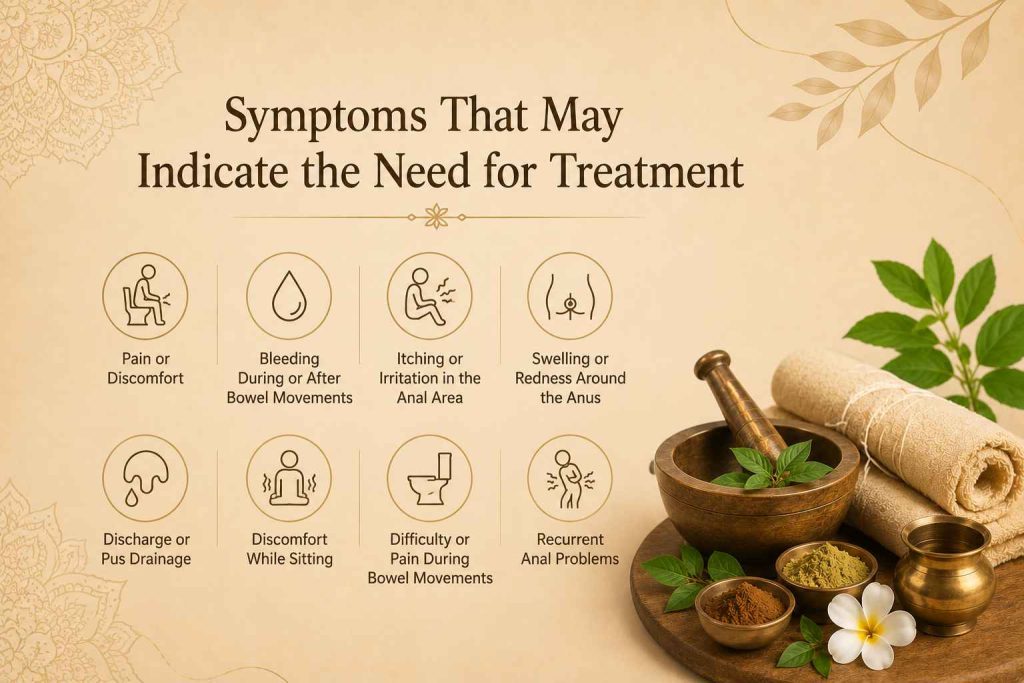
    Symptoms That May Indicate the Need for Treatment

    Patients considering the Best Ksharasutra Treatment in Kerala often experience one or more of the following symptoms:

    • Persistent pain around the anal area
    • Recurrent swelling
    • Discharge of pus or fluid
    • Skin irritation
    • Bleeding
    • Foul-smelling drainage
    • Repeated infections
    • Discomfort while sitting

    Ignoring these symptoms may allow the condition to worsen over time.

    Types of Conditions Treated with Ksharasutra

    Types of Conditions Treated with Ksharasutra including fistula, piles, and sinus conditions through Ayurvedic treatment

    Anal Fistula

    The most common indication for Ksharasutra treatment.

    Recurrent Fistula

    Patients who have undergone previous procedures may still benefit from Ksharasutra.

    Pilonidal Sinus

    Selected sinus conditions may be managed using a modified Ksharasutra approach.

    Certain Types of Piles

    Specific hemorrhoidal conditions may also be treated using medicated thread techniques.

    How Does Ksharasutra Treatment Work

    The procedure follows a systematic approach.

    Assessment

    The fistula tract is carefully evaluated.

    Placement of the Medicated Thread

    A specially prepared Ksharasutra thread is inserted into the tract.

    Weekly Thread Change

    The medicated thread is replaced at regular intervals to ensure continued healing.

    Gradual Healing

    The unhealthy tract gradually cuts through while healing progresses simultaneously.

    Complete Recovery

    Over time, the tract closes and healthy tissue develops.

    This unique mechanism is one reason why many patients prefer the Best Ksharasutra Treatment in Kerala.

    Key Benefits of Best Ksharasutra Treatment in Kerala

    Key Benefits of Best Ksharasutra Treatment in Kerala with Ayurvedic fistula treatment and natural healing approach

    1. Minimally Invasive Approach

    The treatment avoids extensive tissue damage and large surgical wounds.

    2. Lower Recurrence Risk

    One of the major reasons patients seek the Best Ksharasutra Treatment in Kerala is its reputation for reducing recurrence.

    3. Reduced Hospital Stay

    Many patients can return to daily activities sooner compared to major surgery.

    4. Controlled Healing

    The treatment promotes gradual and natural healing of the tract.

    5. Cost-Effective Option

    It may offer a practical alternative for selected patients.

    6. Preserves Surrounding Structures

    The procedure aims to minimize damage to nearby tissues.

    7. Traditional Ayurvedic Foundation

    Ksharasutra combines classical Ayurvedic principles with practical clinical application.

    Who Is a Suitable Candidat

    A healthcare professional may recommend Ksharasutra for:

    • Patients with anal fistula
    • Individuals with recurrent fistula
    • Those seeking minimally invasive options
    • Patients looking for Ayurvedic management
    • People requiring long-term fistula care

    A proper clinical evaluation is essential before treatment.

    What to Expect During Recovery

    Recovery experiences vary from patient to patient.

    Common expectations include:

    • Mild discomfort initially
    • Regular follow-up visits
    • Weekly thread replacement sessions
    • Gradual reduction in discharge
    • Progressive healing of the tract

    Following medical instructions can support smoother recovery.

    Tips for Better Recovery After Ksharasutra Treatment

    Maintain Hygiene

    Keep the treatment area clean and dry.

    Follow Dietary Advice

    A fiber-rich diet may support bowel health.

    Stay Hydrated

    Adequate water intake helps maintain comfortable bowel movements.

    Attend Follow-Up Visits

    Regular appointments are important for monitoring progress.

    Avoid Straining

    Excessive strain during bowel movements should be avoided.

    Follow Prescribed Instructions

    Always adhere to the treatment plan provided by healthcare professionals.

    Why Patients Search for the Best Ksharasutra Treatment in Kerala

    Several factors contribute to the popularity of this treatment:

    • Long history of Ayurvedic use
    • Minimally invasive nature
    • Focus on long-term healing
    • Reduced recurrence concerns
    • Structured follow-up process
    • Growing awareness of Ayurvedic anorectal care

    These factors continue to drive interest in the Best Ksharasutra Treatment in Kerala among patients seeking effective fistula management.

    Conclusion

    The Best Ksharasutra Treatment in Kerala remains a widely recognized Ayurvedic approach for managing fistula-in-ano and related anorectal conditions. Its unique medicated-thread technique, gradual healing process, and minimally invasive nature make it a preferred option for many patients. Early diagnosis, proper evaluation, and consistent follow-up play important roles in achieving favorable outcomes. Individuals considering treatment should seek professional guidance to determine whether Ksharasutra is suitable for their condition. Patients from different regions, including Thrissur, continue to explore this traditional treatment because of its established role in fistula management and long-term healing support. Kerala Government Ayurveda explains that Ksharasutra is a specialized Ayurvedic parasurgical procedure that uses a medicated thread for the treatment of fistula, piles, fissure-in-ano, and pilonidal sinus.

    Frequently Asked Questions

    What is Ksharasutra treatment

    Ksharasutra is an Ayurvedic parasurgical procedure that uses a medicated thread to treat fistula and certain anorectal conditions.

    Some discomfort may occur, but pain levels vary between individuals.

    The duration depends on the length and complexity of the fistula tract.

    It is commonly used for fistula-in-ano and selected sinus-related conditions.

    Many cases can be managed with minimal hospitalization.

    Thread replacement is typically performed at regular intervals as advised by the practitioner.

    Recovery experiences vary, but many patients appreciate the minimally invasive nature of the procedure.

    Recurrence can occur with any treatment, but Ksharasutra is often chosen because of its focus on complete tract management.

    A balanced, fiber-rich diet and adequate hydration are generally recommended.

    Eligibility depends on the diagnosis, fistula characteristics, and overall health condition.
  • Ksharasutra Treatment in Kerala

    Ksharasutra Treatment in Kerala

    7 Powerful Benefits of Ksharasutra Treatment in Kerala Today

    Ksharasutra Treatment in Kerala is gaining attention as a specialized Ayurvedic approach for managing anorectal conditions, particularly fistula-in-ano. This traditional treatment combines ancient Ayurvedic principles with a scientifically accepted procedural method that aims to address the root cause of the condition. Many individuals seeking alternatives to conventional surgery are exploring Ksharasutra Treatment in Kerala because of its minimally invasive nature, lower recurrence rates, and holistic healing approach. In Thrissur, patients increasingly look for treatment options that focus on both healing and long-term recovery.

    What Is Ksharasutra Treatment

    Ksharasutra is a specialized Ayurvedic para-surgical treatment that uses a medicated thread coated with herbal medicines. This thread is carefully placed in the fistulous tract to gradually cut, drain, and heal the affected tissue.

    The treatment has been practiced in Ayurveda for centuries and has been extensively studied for the management of fistula-in-ano and certain other anorectal disorders.

    How Ksharasutra Works

    The medicated thread performs multiple functions simultaneously:

    • Gradual cutting of unhealthy tissue
    • Continuous drainage of infected material
    • Prevention of reinfection
    • Promotion of healthy tissue growth
    • Facilitation of natural healing

    The thread is periodically replaced until complete healing occurs.

    Understanding the Need for Ksharasutra Treatment in Kerala

    Anorectal conditions can significantly affect daily life. Persistent pain, discharge, swelling, and discomfort often interfere with work, social activities, and overall well-being.

    Ksharasutra Treatment in Kerala is commonly considered when individuals experience chronic fistula-related symptoms and seek a treatment approach that focuses on healing while preserving surrounding tissues.

    Conditions Commonly Treated with Ksharasutra

    Fistula-in-Ano

    This is the most common condition treated with Ksharasutra. A fistula is an abnormal tunnel connecting the anal canal to the skin around the anus.

    Recurrent Fistula

    People who have experienced recurrence after conventional treatment may explore Ksharasutra as an alternative management option.

    Certain Types of Pilonidal Sinus

    Selected cases may benefit from Ayurvedic para-surgical approaches.

    Chronic Anal Tracts

    Persistent sinus tracts and related conditions may also be assessed for suitability.

    Causes of Anal Fistula

    Understanding the causes helps individuals recognize risk factors and seek timely treatment.

    Anal Gland Infection

    An infected anal gland can develop into an abscess, which may later form a fistula.

    Recurrent Abscesses

    Repeated infections can increase the likelihood of fistula formation.

    Inflammatory Bowel Conditions

    Certain inflammatory diseases may contribute to fistula development.

    Trauma

    Injury to the anal region can occasionally lead to abnormal tract formation.

    Previous Surgery

    Some surgical procedures may increase the risk in certain cases

    Symptoms That May Indicate the Need for Treatment

    Symptoms That May Indicate the Need for Treatment including pain, bleeding, discharge, swelling, and discomfort associated with anorectal conditions

    Individuals experiencing the following symptoms should seek professional evaluation:

    • Persistent anal pain
    • Swelling near the anus
    • Recurrent abscess formation
    • Pus discharge
    • Blood-stained discharge
    • Skin irritation around the anal area
    • Fever associated with infection
    • Difficulty sitting comfortably
    • Repeated episodes of discomfort

    Early diagnosis often contributes to better treatment outcomes.

    Types of Ksharasutra Treatment Approaches

    Standard Ksharasutra Procedure

    This involves the placement of a medicated thread through the fistulous tract with periodic thread changes.

    Modified Ksharasutra Techniques

    Modern Ayurvedic centers may adopt modifications to improve patient comfort and treatment efficiency.

    Combined Ayurvedic Management

    Some treatment plans include:

    • Dietary guidance
    • Herbal support
    • Lifestyle modifications
    • Local wound care

    These measures may complement the primary procedure

    Procedure of Ksharasutra Treatment in Kerala

    Understanding the procedure helps reduce anxiety and prepare patients for treatment.

    Initial Consultation

    A detailed evaluation is conducted to assess:

    • Symptoms
    • Medical history
    • Extent of the fistula
    • Suitability for treatment

    Diagnosis

    Various clinical assessments may be performed to identify the tract and determine the treatment plan.

    Thread Placement

    The medicated thread is inserted into the fistulous tract under appropriate medical supervision.

    Regular Thread Changes

    The thread is replaced at scheduled intervals.

    This step is essential because:

    • It promotes continuous healing.
    • It facilitates drainage.
    • It helps remove unhealthy tissue.

    Healing Phase

    The tract gradually heals from within while maintaining proper drainage.

    Benefits of Ksharasutra Treatment in Kerala

    1. Minimally Invasive Approach

    The procedure generally avoids extensive surgical cutting.

    2. Lower Risk of Tissue Damage

    Healthy surrounding tissues are largely preserved.

    3. Continuous Healing Process

    The medicated thread supports ongoing healing throughout treatment.

    4. Effective Drainage

    Proper drainage helps reduce infection and discomfort.

    5. Reduced Hospital Stay

    Many cases can be managed with minimal hospitalization.

    6. Lower Recurrence Potential

    Ksharasutra is recognized for addressing the fistulous tract comprehensively.

    7. Cost-Effective Management

    The treatment may be a practical option for many patients.

    8. Supports Natural Healing

    The Ayurvedic approach focuses on tissue repair and recovery.

    9. Preserves Normal Function

    Preservation of surrounding structures is an important advantage.

    10. Holistic Care

    Treatment often includes dietary and lifestyle recommendations.

    Why Many Patients Choose Ksharasutra Treatment in Kerala

    Several factors contribute to the popularity of Ksharasutra Treatment in Kerala.

    These include:

    • Strong Ayurvedic heritage
    • Availability of trained practitioners
    • Integrated treatment protocols
    • Focus on holistic recovery
    • Growing awareness about Ayurvedic fistula management

    The combination of traditional wisdom and structured clinical protocols attracts patients from different regions.

    Recovery After Ksharasutra Treatment

    Recovery varies depending on:

    • Size of the tract
    • Complexity of the condition
    • Patient health status
    • Compliance with follow-up care

    What to Expect During Recovery

    Patients may experience:

    • Gradual symptom improvement
    • Reduction in discharge
    • Decreased pain over time
    • Progressive healing of the tract

    Regular follow-up appointments remain important throughout the healing process.

    Dietary Tips During Treatment

    Nutrition plays an important role in supporting recovery.

    Recommended Foods

    • Fresh fruits
    • Cooked vegetables
    • Whole grains
    • Adequate water intake
    • Fiber-rich foods

    Foods to Limit

    • Excessively spicy foods
    • Deep-fried foods
    • Highly processed items
    • Foods causing constipation

    Maintaining healthy bowel habits can support comfort during treatment.

    Lifestyle Tips for Better Healing

    Maintain Hygiene

    Proper local hygiene helps reduce irritation.

    Stay Hydrated

    Adequate hydration supports digestive health.

    Avoid Constipation

    Regular bowel movements reduce strain.

    Follow Medical Advice

    Attend all scheduled follow-up visits.

    Stay Physically Active

    Light activity may support overall wellness unless otherwise advised.

    Who Is a Suitable Candidate

    Ksharasutra Treatment in Kerala may be considered for individuals who:

    • Have fistula-in-ano
    • Experience recurrent fistula
    • Seek minimally invasive options
    • Prefer Ayurvedic treatment approaches
    • Can attend regular follow-up visits

    A thorough evaluation is always necessary before determining suitability.

    Common Myths About Ksharasutra

    Myth 1: It Is Just a Herbal Remedy

    Fact: It is a specialized para-surgical Ayurvedic procedure.

    Myth 2: Results Are Immediate

    Fact: Healing occurs gradually over time.

    Myth 3: Follow-Up Is Not Necessary

    Fact: Regular thread changes and monitoring are essential.

    Myth 4: Everyone Is Suitable

    Fact: Treatment suitability varies between individuals.

    Conclusion

    Ksharasutra Treatment in Kerala remains one of the most recognized Ayurvedic approaches for managing fistula-in-ano and related anorectal conditions. Its combination of medicated thread therapy, controlled healing, effective drainage, and tissue-preserving methodology has contributed to its continued relevance in modern healthcare. Individuals considering Ksharasutra Treatment in Kerala should seek proper evaluation, follow recommended aftercare practices, and maintain regular follow-up visits for optimal recovery. Patients exploring treatment options in Thrissur often value this approach for its focus on comprehensive healing and long-term management. For additional information about Ksharasutra therapy and its Ayurvedic principles, you can refer to the official website of the PubMed Central , which provides resources on Ayurvedic treatments and research.

    Frequently Asked Questions

    What is Ksharasutra Treatment in Kerala

    It is an Ayurvedic para-surgical procedure that uses a medicated thread to manage fistula-in-ano and related conditions.

    Some discomfort may occur, but treatment plans are designed to maximize patient comfort.

    The duration varies depending on the complexity and length of the fistulous tract.

    Many patients require minimal hospitalization, depending on their condition.

    It is commonly considered for recurrent fistula cases after proper evaluation.

    The schedule varies according to the treatment protocol and patient needs.

    Benefits include effective drainage, gradual healing, and preservation of surrounding tissues.

    Many individuals can continue routine activities with appropriate medical guidance.

    A fiber-rich diet and adequate hydration are generally encouraged.

    Individuals diagnosed with suitable anorectal conditions may be considered after professional assessment.

  • Ksharasutra Treatment for Piles in Kerala: Understanding the Ayurvedic Approach

    Ksharasutra Treatment for Piles in Kerala: Understanding the Ayurvedic Approach

    Ksharasutra Treatment for Piles in Kerala: Understanding the Ayurvedic Approach

    Piles, also known as hemorrhoids, are a common anorectal condition that can affect people of different age groups. Symptoms such as discomfort, itching, swelling, pain, and occasional bleeding during bowel movements may interfere with daily activities and overall quality of life. While various treatment options are available, many individuals explore traditional Ayurvedic approaches as part of their healthcare journey.

    Ksharasutra Treatment for Piles in Kerala is one such Ayurvedic approach that has gained attention due to Kerala’s long-standing Ayurvedic heritage and specialized expertise in anorectal care. This treatment is traditionally used in the management of certain anorectal conditions and is often combined with personalized dietary guidance, lifestyle recommendations, and follow-up care.

    This guide explains what piles are, how Ksharasutra treatment is approached in Ayurveda, and what individuals should know before considering treatment.

    Ksharasutra Treatment for Piles in Kerala – Ayurvedic wellness illustration highlighting healthy lifestyle measures that may support recovery and overall digestive health.

    What Are Piles?

    Piles are swollen veins that develop in the lower rectum or around the anus. Depending on their location, they are generally classified into two main categories.

    Internal Piles

    Internal piles develop inside the rectum and may not always be visible. Common symptoms can include:

    • Painless bleeding during bowel movements
    • Mucus discharge
    • Sensation of incomplete evacuation
    • Prolapse in advanced cases

    External Piles

    External piles develop under the skin around the anal opening and may cause:

    • Pain or discomfort
    • Swelling
    • Itching
    • Irritation around the anal region

    The severity and symptoms can vary from person to person, making professional evaluation important.

    Common Causes of Piles

    Several factors may contribute to the development of piles, including:

    • Chronic constipation
    • Prolonged straining during bowel movements
    • Sedentary lifestyle
    • Low-fiber diet
    • Obesity
    • Pregnancy
    • Aging
    • Frequent heavy lifting

    Addressing these contributing factors often forms an important part of long-term management.

    Understanding Ksharasutra Treatment

    What Is Ksharasutra?

    Ksharasutra is a specialized Ayurvedic treatment that utilizes a medicated thread prepared using traditional herbal ingredients. The procedure has been described in classical Ayurvedic texts and has traditionally been used in the management of certain anorectal conditions.

    The medicated thread is prepared using herbal formulations and is applied according to Ayurvedic treatment principles. The exact treatment plan depends on individual assessment and clinical findings.

    Ayurvedic Perspective

    According to Ayurveda, anorectal disorders may be associated with imbalances in bodily functions and digestive health. Ayurvedic treatment aims to support balance through:

    • Personalized assessment
    • Traditional therapeutic approaches
    • Dietary recommendations
    • Lifestyle modifications
    • Digestive health support

    How Ksharasutra Treatment for Piles in Kerala Is Performed

    The treatment process generally begins with a detailed consultation.

    Initial Consultation

    The practitioner may assess:

    • Symptoms
    • Medical history
    • Lifestyle habits
    • Dietary patterns
    • Overall health condition

    Treatment Planning

    After evaluation, an individualized treatment plan may be developed based on:

    • Type of piles
    • Severity of symptoms
    • General health status
    • Patient-specific requirements

    Procedure and Follow-Up

    Treatment protocols vary depending on the individual’s condition. Follow-up visits may be scheduled to monitor progress and provide ongoing guidance.

    Who May Consider Ksharasutra Treatment for Piles in Kerala?

    Ksharasutra treatment may be considered by individuals who:

    • Experience recurring piles symptoms
    • Are seeking Ayurvedic treatment options
    • Wish to explore traditional anorectal care approaches
    • Require personalized lifestyle and dietary guidance
    • Want a holistic treatment plan that supports overall wellbeing

    A qualified healthcare professional can determine whether this approach is suitable for a particular individual.

    Potential Benefits of Ksharasutra Treatment

    While treatment outcomes vary among individuals, several factors contribute to the popularity of Ksharasutra treatment.

    Personalized Ayurvedic Care

    Treatment plans are typically tailored to individual needs rather than following a one-size-fits-all approach.

    Traditional Ayurvedic Principles

    The procedure is based on classical Ayurvedic knowledge and longstanding therapeutic practices.

    Lifestyle and Dietary Support

    Ayurvedic management often includes recommendations related to:

    • Nutrition
    • Daily routine
    • Digestive wellness
    • Hydration
    • Physical activity

    Focus on Long-Term Wellness

    In addition to symptom management, Ayurveda emphasizes overall health and wellbeing.

    Diet Recommendations During Piles Management

    Diet plays an important role in maintaining digestive comfort and supporting bowel regularity.

    Foods Often Recommended

    A balanced diet may include:

    • Fresh vegetables
    • Seasonal fruits
    • Whole grains
    • Adequate fluids
    • Fiber-rich foods

    Hydration

    Proper hydration may help support normal bowel movements and digestive function.

    Foods That May Require Moderation

    Depending on individual circumstances, practitioners may recommend limiting:

    • Excessively spicy foods
    • Highly processed foods
    • Deep-fried foods
    • Excessive alcohol consumption

    Dietary recommendations should always be personalized.

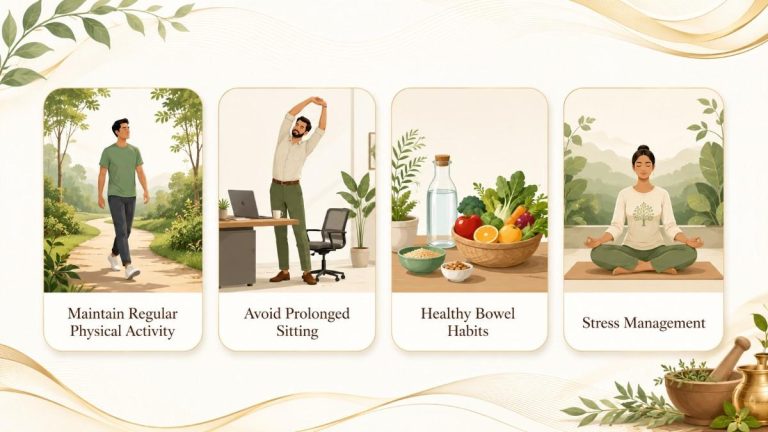
    Ksharasutra Treatment for Piles in Kerala infographic illustrating lifestyle measures that may support recovery, including regular physical activity, avoiding prolonged sitting, healthy bowel habits, and stress management.

    Lifestyle Measures That May Support Recovery

    Several lifestyle habits may complement treatment and promote digestive wellbeing.

    Maintain Regular Physical Activity

    Moderate exercise can support digestive function and overall health.

    Avoid Prolonged Sitting

    Extended periods of sitting may increase discomfort in some individuals.

    Healthy Bowel Habits

    Avoiding excessive straining and responding promptly to natural urges may support anorectal health.

    Stress Management

    Yoga, meditation, and relaxation practices may contribute to overall wellness.

    Why Kerala Is Known for Ayurvedic Treatment

    Kerala is widely recognized for its rich Ayurvedic tradition and wellness-focused healthcare environment.

    Strong Ayurvedic Heritage

    The state has preserved traditional Ayurvedic practices for generations.

    Experienced Practitioners

    Many Ayurvedic centers in Kerala provide specialized care in various therapeutic areas, including anorectal health.

    Wellness-Oriented Environment

    The natural surroundings and emphasis on holistic health make Kerala a popular destination for Ayurvedic care.

    Personalized Treatment Philosophy

    Many Ayurvedic programs emphasize individualized assessment and treatment planning.

    Importance of Professional Evaluation

    Not every anorectal symptom is caused by piles. Conditions such as fissures, fistulas, infections, and other gastrointestinal disorders may produce similar symptoms.

    A professional medical evaluation helps:

    • Establish an accurate diagnosis
    • Assess symptom severity
    • Determine suitable treatment options
    • Rule out other underlying conditions

    Individuals experiencing persistent symptoms should seek appropriate healthcare guidance.

    Choosing a Center for Ksharasutra Treatment for Piles in Kerala

    When evaluating treatment options, consider the following factors:

    Practitioner Qualifications

    Look for qualified Ayurvedic professionals with experience in anorectal care.

    Comprehensive Consultation

    A detailed assessment is important before beginning treatment.

    Individualized Care Plans

    Personalized treatment approaches may help address specific health concerns.

    Follow-Up Support

    Ongoing monitoring and guidance can be valuable throughout the treatment process.

    Patient Education

    Choose a center that emphasizes informed decision-making and patient awareness.

    Choosing a Center for Ksharasutra Treatment for Piles in Kerala

    When evaluating treatment options, consider the following factors:

    Practitioner Qualifications

    Look for qualified Ayurvedic professionals with experience in anorectal care.

    Comprehensive Consultation

    A detailed assessment is important before beginning treatment.

    Individualized Care Plans

    Personalized treatment approaches may help address specific health concerns.

    Follow-Up Support

    Ongoing monitoring and guidance can be valuable throughout the treatment process.

    Patient Education

    Choose a center that emphasizes informed decision-making and patient awareness.

    Supporting Digestive Health After Treatment

    Long-term digestive wellness may involve:

    • Maintaining a balanced diet
    • Staying hydrated
    • Regular exercise
    • Adequate sleep
    • Stress management
    • Periodic health checkups

    These habits may help support overall wellbeing and digestive comfort.

    Conclusion

    Ksharasutra Treatment for Piles in Kerala represents a traditional Ayurvedic approach used in the management of certain anorectal conditions. Through individualized assessment, lifestyle guidance, dietary recommendations, and traditional therapeutic principles, Ayurveda seeks to support both symptom management and overall wellbeing.

    People experiencing symptoms of piles should obtain professional medical evaluation to determine the most appropriate treatment plan. With timely consultation and proper guidance, many individuals explore Ksharasutra Treatment for Piles in Kerala as part of a comprehensive approach to digestive health, comfort, recovery, and long-term wellness. For evidence-based information about hemorrhoids, hemorrhoids and their management.

  • Ayurvedic Treatment for Anal Fistula in Kerala: A Natural Approach to Healing

    Ayurvedic Treatment for Anal Fistula in Kerala: A Natural Approach to Healing

    Ayurvedic Treatment for Anal Fistula in Kerala: A Natural Approach to Healing

    Anal fistula is a condition that can significantly affect daily comfort and quality of life. Characterized by an abnormal tunnel that develops between the anal canal and the skin around the anus, it often causes pain, swelling, discharge, irritation, and recurrent infections. Many individuals seek treatment options that not only address symptoms but also support long-term healing and recovery.

    Ayurvedic treatment for anal fistula in Kerala has gained attention for its traditional approach to managing this condition. Ayurveda focuses on identifying underlying imbalances and supporting the body’s natural healing processes. Among the most recognized Ayurvedic approaches is Ksharasutra treatment, a classical therapy that has been used for generations in the management of anal fistula.

    This guide explains anal fistula, its causes and symptoms, how Ayurvedic treatment works, the role of Ksharasutra treatment, recovery expectations, and why many people explore Ayurveda for comprehensive fistula care.

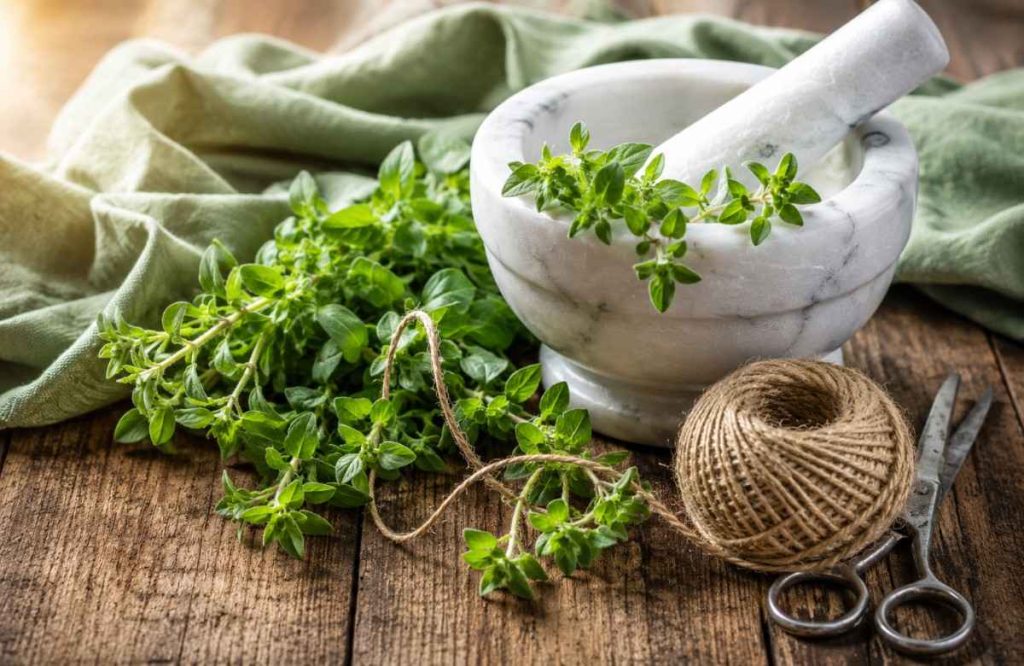
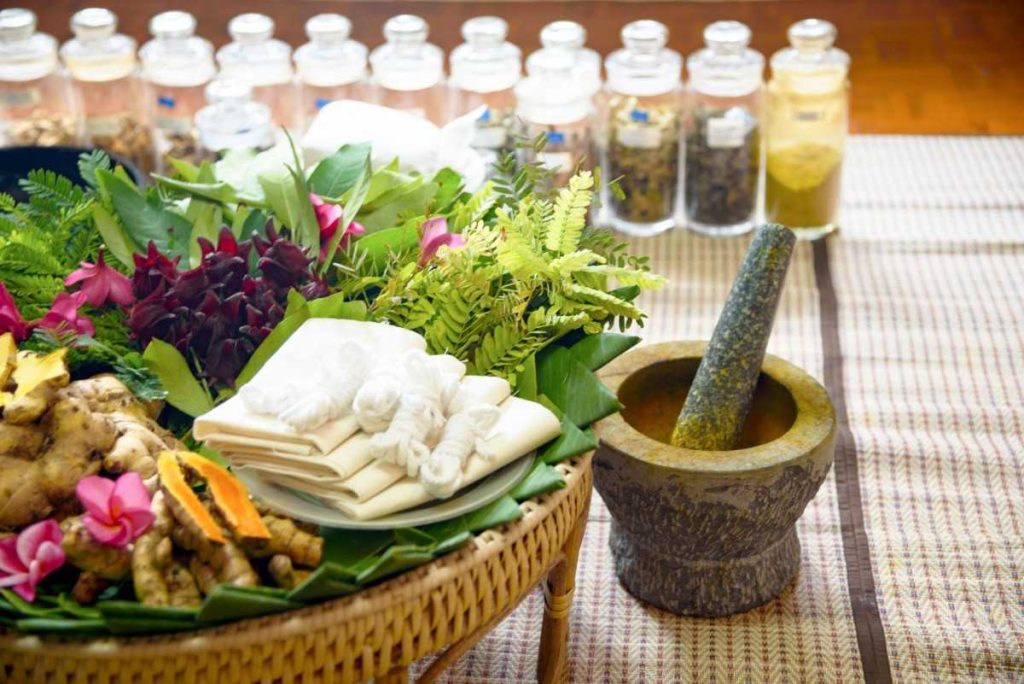
    Ayurvedic herbs and traditional healing ingredients used in Ayurvedic Treatment for Anal Fistula in Kerala and Ksharasutra treatment preparation.

    Understanding Anal Fistula

    An anal fistula is a small tunnel that forms between the anal canal and the skin surrounding the anus. It commonly develops after an anal abscess that fails to heal completely.

    The condition may cause recurring discomfort and can sometimes lead to repeated infections if left untreated.

    Although anal fistulas can affect individuals of different age groups, timely treatment is important to help prevent complications and support healing.

    Common Symptoms of Anal Fistula

    Symptoms may vary depending on the severity and location of the fistula.

    Common symptoms include:

    • Persistent pain around the anal area
    • Swelling and tenderness
    • Discharge of pus or fluid
    • Irritation and itching
    • Recurring infections
    • Discomfort while sitting
    • Pain during bowel movements
    • Redness around the affected area

    Individuals experiencing these symptoms should seek professional medical evaluation for proper diagnosis and treatment planning.

    Causes of Anal Fistula

    Anal fistulas often develop following infection in the anal glands.

    Several factors may contribute to fistula formation, including:

    Anal Abscess

    A previous anal abscess is one of the most common causes.

    Chronic Inflammation

    Persistent inflammation in the anal region may increase the risk.

    Recurrent Infections

    Repeated infections can sometimes contribute to fistula development.

    Digestive Disorders

    Certain digestive and inflammatory conditions may increase susceptibility.

    Trauma or Injury

    Damage to tissues around the anal canal may occasionally contribute to fistula formation.

    Understanding the underlying cause helps guide treatment selection and recovery planning.

    Ayurveda’s Perspective on Anal Fistula

    Ayurveda describes conditions similar to anal fistula under the concept of Bhagandara.

    According to Ayurvedic principles, imbalances in bodily functions and tissue health may contribute to the development of abnormal tracts and chronic inflammation.

    The Ayurvedic approach focuses on:

    • Supporting tissue healing
    • Reducing inflammation
    • Promoting healthy elimination
    • Encouraging proper digestion
    • Supporting overall wellness
    • Minimizing recurrence risks

    Rather than concentrating solely on symptom management, Ayurveda seeks to address broader factors that may influence recovery.

    What Is Ksharasutra Treatment?

    Ksharasutra treatment is one of the most widely recognized Ayurvedic procedures used in the management of anal fistula.

    This classical therapy involves the use of a specially prepared medicated thread coated with herbal and alkaline substances according to traditional Ayurvedic principles.

    The medicated thread is carefully placed within the fistulous tract under professional supervision.

    Over time, the treatment supports gradual healing of the tract while promoting healthy tissue recovery.

    Ksharasutra treatment has remained an important part of Ayurvedic anorectal care for many years due to its traditional therapeutic value.

    How Ksharasutra Treatment Works

    Ksharasutra treatment works through a gradual process that supports healing within the affected tract.

    The medicated thread is designed to:

    • Support cleansing of the tract
    • Encourage healthy tissue formation
    • Assist gradual healing
    • Help manage unhealthy tissue
    • Promote recovery under supervision

    Regular follow-up sessions are usually required during the treatment process.

    The exact treatment duration depends on factors such as the length, depth, and complexity of the fistula.

    Benefits of Ayurvedic Treatment for Anal Fistula in Kerala

    Many individuals explore Ayurvedic treatment for anal fistula in Kerala because of its holistic approach.

    Potential benefits may include:

    Personalized Treatment Plans

    Ayurvedic care focuses on individual assessment and customized treatment strategies.

    Holistic Healing Approach

    Treatment may include dietary guidance, lifestyle recommendations, herbal support, and specialized procedures.

    Focus on Long-Term Wellness

    Ayurveda aims to support overall health while addressing the affected area.

    Traditional Therapeutic Methods

    Ksharasutra treatment reflects centuries of Ayurvedic clinical experience.

    Comprehensive Recovery Support

    Many treatment plans include guidance that extends beyond the procedure itself.

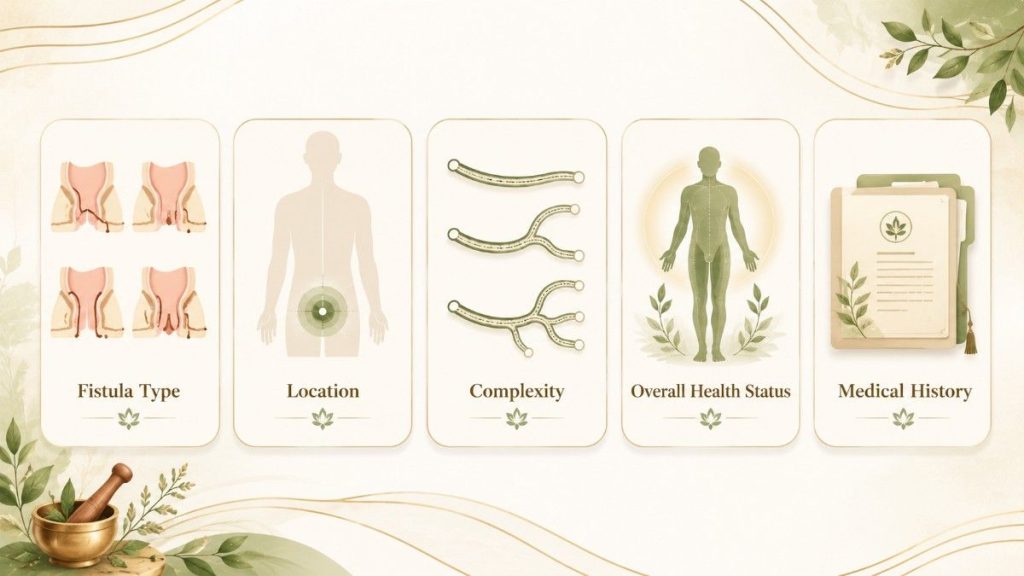
    Ayurvedic Treatment for Anal Fistula in Kerala infographic illustrating key factors considered during patient evaluation, including fistula type, location, complexity, overall health status, and medical history.

    Who May Consider Ksharasutra Treatment?

    Ksharasutra treatment may be considered by individuals diagnosed with anal fistula after professional evaluation.

    Suitability depends on several factors, including:

    • Fistula type
    • Location
    • Complexity
    • Overall health status
    • Medical history

    An individualized assessment helps determine the most appropriate treatment approach.

    The Ksharasutra Treatment Procedure

    The treatment process generally begins with a detailed examination and consultation.

    Following evaluation, the fistulous tract is identified and assessed.

    The Ksharasutra thread is then placed according to established Ayurvedic procedural techniques.

    Periodic follow-up visits allow practitioners to monitor progress and make necessary adjustments.

    The treatment continues until satisfactory healing is achieved.

    Because every case is unique, treatment duration can vary from one individual to another.

    Recovery After Ksharasutra Treatment

    Recovery is an important component of Ayurvedic treatment for anal fistula in Kerala.

    Patients are often advised to follow specific recommendations that may support healing and comfort.

    Recovery guidance may include:

    Maintaining Hygiene

    Keeping the affected area clean supports recovery.

    Following Dietary Recommendations

    A balanced diet may help support healthy digestion and bowel function.

    Adequate Hydration

    Proper hydration supports overall wellness.

    Regular Follow-Up Visits

    Scheduled assessments help monitor healing progress.

    Lifestyle Adjustments

    Healthy daily routines may complement treatment outcomes.

    Following professional guidance throughout recovery is essential.

    Diet and Lifestyle Support During Treatment

    Ayurveda emphasizes the importance of supportive dietary and lifestyle practices.

    Recommendations may vary according to individual constitution and treatment goals.

    Common areas of focus may include:

    • Balanced nutrition
    • Digestive health
    • Adequate hydration
    • Healthy bowel habits
    • Stress management
    • Proper rest and sleep

    These practices may help support overall wellness during the healing process.

    Why Early Treatment Matters

    Delaying treatment may allow symptoms to persist or worsen over time.

    Seeking timely evaluation may help:

    • Address symptoms sooner
    • Reduce discomfort
    • Support healing
    • Improve quality of life
    • Prevent complications

    Early diagnosis also helps determine the most suitable treatment approach.

    Choosing Ayurvedic Treatment for Anal Fistula in Kerala

    When considering Ayurvedic treatment for anal fistula in Kerala, several factors may be important.

    These include:

    • Experienced Ayurvedic practitioners
    • Personalized treatment planning
    • Availability of Ksharasutra treatment
    • Comprehensive follow-up care
    • Supportive healing environment

    Choosing an appropriate treatment center can play an important role in the overall experience.

    Why Kerala Is Known for Ayurvedic Healing

    Kerala has a long-standing association with traditional Ayurveda and wellness practices.

    Its Ayurvedic heritage, classical treatment methods, and focus on holistic healing have made it a destination for individuals seeking authentic Ayurvedic care.

    Many people explore Ayurvedic treatment for anal fistula in Kerala because of this strong tradition and emphasis on personalized wellness.

    Conclusion

    Ayurvedic treatment for anal fistula in Kerala offers a holistic approach that focuses on healing, recovery, and long-term wellness. Through personalized care, supportive lifestyle guidance, and traditional therapies such as Ksharasutra treatment, Ayurveda seeks to address the condition while supporting overall health. Individuals experiencing symptoms of anal fistula should seek professional evaluation to determine the most appropriate treatment plan. With proper guidance and timely care, many people explore Ayurvedic treatment for anal fistula in Kerala as part of their journey toward improved comfort, healing, and wellbeing.

    To learn more about the principles and practices of Ayurveda, visit the National Center for Complementary and Integrative Health (NCCIH) Ayurveda Overview, which provides evidence-based information on Ayurvedic medicine and traditional healing approaches.

    Frequently Asked Questions

    1. What is Ayurvedic Treatment for Anal Fistula in Kerala?

    Ayurvedic Treatment for Anal Fistula in Kerala is a traditional approach that may include therapies such as Ksharasutra treatment, dietary guidance, lifestyle recommendations, and supportive Ayurvedic care aimed at managing anal fistula while promoting overall wellbeing.

    2. What is Ksharasutra treatment?

    Ksharasutra treatment is a specialized Ayurvedic procedure that uses a medicated thread prepared with herbal ingredients. It has been traditionally used in the management of certain anorectal conditions, including anal fistula.

    3. Who may consider Ayurvedic Treatment for Anal Fistula in Kerala?

    Individuals diagnosed with anal fistula who are seeking Ayurvedic care may consider consultation with a qualified Ayurvedic practitioner to understand available treatment options and determine suitability.

    4. How is anal fistula diagnosed before treatment?

    Diagnosis typically involves a medical evaluation, symptom assessment, physical examination, and, when necessary, additional investigations recommended by healthcare professionals.

    5. How long does Ksharasutra treatment take?

    The duration of Ksharasutra treatment varies depending on factors such as the type, location, and complexity of the fistula, as well as individual healing responses.

    6. Is Ayurvedic Treatment for Anal Fistula in Kerala suitable for recurrent fistulas?

    Treatment suitability depends on individual clinical circumstances. A thorough consultation and assessment are important for determining the most appropriate management plan.

    7. Are dietary and lifestyle recommendations part of treatment?

    Yes. Ayurvedic care often includes personalized dietary guidance, hydration recommendations, digestive health support, and lifestyle practices that complement overall treatment goals.

    8. What should patients expect during the recovery period?

    Recovery experiences vary among individuals. Regular follow-up, adherence to medical advice, and proper self-care may support the healing process and overall comfort.

    9. Why is Kerala a popular destination for Ayurvedic treatment?

    Kerala is widely recognized for its long-standing Ayurvedic heritage, experienced practitioners, traditional treatment approaches, and wellness-focused healthcare environment.

    10. How can I choose the right center for Ayurvedic Treatment for Anal Fistula in Kerala?

    Consider factors such as practitioner qualifications, treatment experience, patient care standards, consultation process, and availability of personalized treatment planning when selecting a center.

  • Can Panchakarma Help Reduce Stress Naturally

    Can Panchakarma Help Reduce Stress Naturally

    9 Powerful Ways Can Panchakarma Help Reduce Stress Naturally

    Stress has become a common part of modern life. Work pressure, family responsibilities, financial concerns, lack of sleep, and constant digital connectivity can all contribute to mental and physical tension. Many people today are searching for natural methods to manage stress without relying solely on medications. In Thrissur, interest in traditional wellness approaches has increased as individuals seek holistic ways to improve their well-being.

    One question that often arises is: can panchakarma help reduce stress naturally. Panchakarma is a traditional Ayurvedic cleansing and rejuvenation process that aims to restore balance in the body and mind. Through a combination of therapies, dietary guidance, and lifestyle practices, it may help individuals feel more relaxed, refreshed, and mentally balanced.

    This article explores can panchakarma help reduce stress naturally, its potential benefits, therapies involved, and how it may support overall wellness.

    Understanding Stress

    Stress is the body’s response to physical, emotional, or mental challenges. While short-term stress can sometimes be helpful, long-term stress may affect overall health and quality of life.

    Common sources of stress include:

    • Work-related pressure
    • Relationship challenges
    • Financial concerns
    • Health issues
    • Lack of sleep
    • Busy lifestyles
    • Excessive screen time

    When stress continues for a prolonged period, it can affect both physical and emotional health.

    Common Symptoms of Stress

    Stress can present itself in many ways.

    Physical Symptoms

    • Headaches
    • Fatigue
    • Muscle tension
    • Digestive discomfort
    • Sleep disturbances
    • Increased heart rate

    Emotional Symptoms

    • Anxiety
    • Irritability
    • Mood swings
    • Difficulty concentrating
    • Feeling overwhelmed

    Behavioral Symptoms

    • Poor eating habits
    • Social withdrawal
    • Reduced productivity
    • Difficulty managing daily tasks

    Understanding these symptoms is important when exploring whether can panchakarma help reduce stress naturally may be relevant for your wellness goals

    Can Panchakarma Help Reduce Stress Naturally? Ayurvedic herbs, Kizhi pouches, towels, and wellness elements on a calming spa-inspired background.

    What Is Panchakarma

    Panchakarma is a traditional Ayurvedic purification and rejuvenation process. The term “Panchakarma” means “five actions,” referring to a group of therapies designed to help remove accumulated toxins and restore balance within the body.

    Ayurveda views health as a balance between body, mind, and spirit. According to this approach, stress can contribute to imbalances that affect overall wellness.

    Panchakarma typically includes:

    • Preparatory therapies
    • Oil treatments
    • Herbal therapies
    • Cleansing procedures
    • Dietary recommendations
    • Lifestyle guidance

    The exact therapies may vary depending on individual needs.

    Can Panchakarma Help Reduce Stress Naturally

    Many people ask, can panchakarma help reduce stress naturally because they want a holistic solution that addresses both physical and mental well-being.

    Panchakarma aims to promote relaxation through a structured approach that combines cleansing, nourishment, and restorative therapies. While experiences vary from person to person, many individuals report feeling calmer, more balanced, and mentally refreshed after undergoing Ayurvedic treatments.

    Potential ways Panchakarma may support stress management include:

    • Encouraging deep relaxation
    • Supporting better sleep
    • Reducing physical tension
    • Promoting mental clarity
    • Improving overall wellness
    • Encouraging healthier lifestyle habits

    How Stress Affects the Body

    To understand can panchakarma help reduce stress naturally, it is important to understand how stress affects the body.

    Long-term stress may contribute to:

    Nervous System Strain

    Continuous stress can keep the body in a heightened state of alertness.

    Sleep Problems

    Stress often interferes with healthy sleep patterns.

    Digestive Disturbances

    Stress can influence appetite and digestive function.

    Reduced Energy

    Many individuals experience fatigue and lack of motivation during stressful periods.

    Emotional Imbalance

    Persistent stress may affect mood, concentration, and emotional stability.

    Addressing these concerns through holistic wellness practices may help improve overall quality of life.

    Panchakarma Therapies Commonly Associated with Stress Relief

    Several Panchakarma-related therapies are often used to encourage relaxation and mental calmness.

    Abhyanga

    Abhyanga is a full-body massage performed using warm herbal oils.

    Potential benefits include:

    • Relaxation
    • Improved circulation
    • Reduced muscle tension
    • Enhanced sense of well-being

    Shirodhara

    Shirodhara involves the gentle pouring of warm herbal oil onto the forehead.

    This therapy is commonly associated with:

    • Mental relaxation
    • Improved focus
    • Better sleep quality
    • Reduced stress levels

    Swedana

    Swedana is a therapeutic sweating treatment often performed after oil therapies.

    It may help:

    • Relax muscles
    • Support circulation
    • Promote a feeling of lightness

    Nasya

    Nasya involves administering herbal preparations through the nasal passages under professional guidance.

    It is traditionally used to support:

    • Mental clarity
    • Head and neck wellness
    • Overall balance

    These therapies are often included when exploring can panchakarma help reduce stress naturally.

    Benefits of Panchakarma for Stress Management

    1. Encourages Deep Relaxation

    Many Panchakarma therapies are designed to calm the nervous system and promote a state of relaxation.

    2. Supports Better Sleep

    Stress often disrupts sleep. Relaxation-focused therapies may encourage healthier sleep patterns.

    3. Helps Reduce Physical Tension

    Massage and oil treatments may help relieve muscle tightness associated with stress.

    4. Promotes Mental Clarity

    Some individuals report improved concentration and focus following Panchakarma treatments.

    5. Supports Emotional Balance

    The holistic approach of Ayurveda focuses on both physical and emotional wellness.

    6. Encourages Healthy Habits

    Dietary guidance and lifestyle recommendations may help support long-term wellness.

    7. Improves Overall Well-Being

    A structured wellness program may contribute to a greater sense of balance and vitality.

    Who May Consider Panchakarma

    Individuals who may explore Panchakarma include those experiencing:

    • Work-related stress
    • Mental fatigue
    • Sleep difficulties
    • Lifestyle imbalance
    • Physical tension
    • Emotional exhaustion

    A professional assessment is usually recommended before starting any Panchakarma program.

    Can Panchakarma Help Reduce Stress Naturally? Lifestyle Tips to Support Stress Reduction with a woman practicing meditation in a calm wellness environment.

    Lifestyle Tips to Support Stress Reduction

    While discussing can panchakarma help reduce stress naturally, it is important to remember that daily habits also play a significant role.

    Maintain a Regular Sleep Schedule

    Consistent sleep habits can support mental and physical recovery.

    Practice Mindfulness

    Simple breathing exercises and meditation may help reduce stress.

    Stay Physically Active

    Regular movement can contribute to emotional well-being.

    Eat Balanced Meals

    Nutritious foods support overall health and energy levels.

    Limit Screen Time

    Reducing excessive digital exposure may help improve mental relaxation.

    Stay Hydrated

    Adequate hydration supports normal body functions.

    Spend Time Outdoors

    Nature and fresh air can contribute to a calmer state of mind.

    What to Expect During a Panchakarma Program

    The experience may vary depending on individual requirements and the specific treatment plan.

    A typical Panchakarma process may include:

    1. Initial consultation
    2. Health assessment
    3. Preparatory therapies
    4. Main cleansing procedures
    5. Rejuvenation therapies
    6. Dietary recommendations
    7. Lifestyle guidance

    The duration can vary from a few days to several weeks depending on the program.

    Safety Considerations

    Panchakarma should generally be performed under qualified Ayurvedic supervision.

    Important considerations include:

    • Individual health conditions
    • Age and overall health status
    • Existing medical concerns
    • Current medications

    A professional evaluation helps determine the most appropriate approach.

    Natural Approaches That May Complement Panchakarma

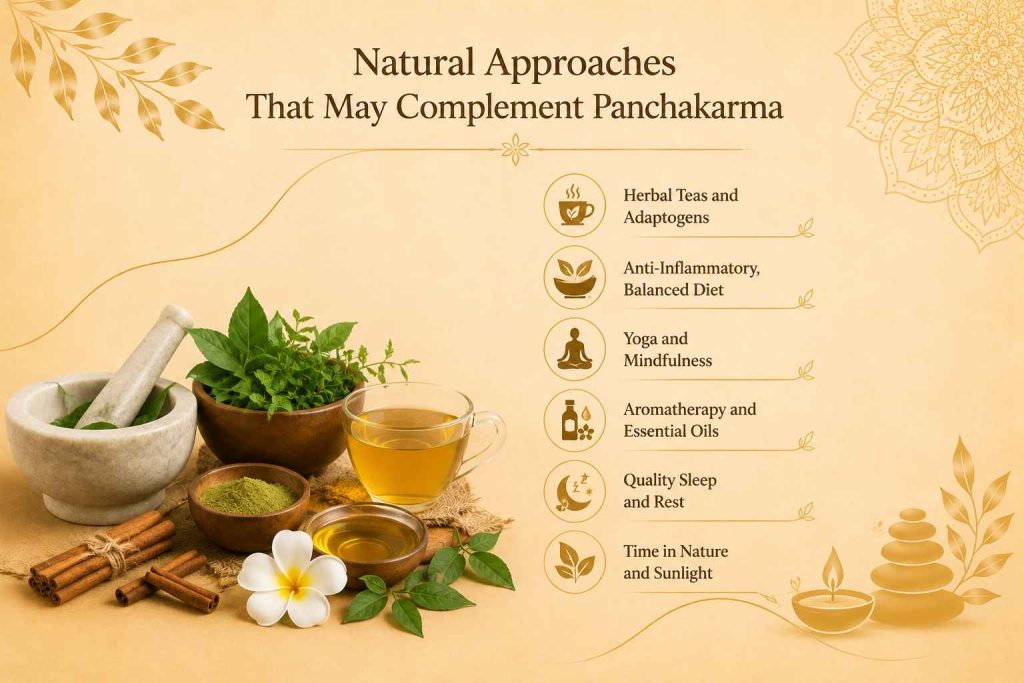
    Can Panchakarma Help Reduce Stress Naturally? Natural approaches that may complement Panchakarma, including herbal teas, mindfulness, balanced nutrition, aromatherapy, and healthy lifestyle practices.

    In addition to Panchakarma, individuals may benefit from:

    • Yoga
    • Meditation
    • Deep breathing exercises
    • Healthy nutrition
    • Regular exercise
    • Relaxation techniques
    • Adequate sleep

    Combining multiple healthy lifestyle practices may provide greater support for stress management.

    Conclusion 

    The question can panchakarma help reduce stress naturally is increasingly relevant as more people seek holistic approaches to wellness. Panchakarma focuses on cleansing, relaxation, rejuvenation, and restoring balance within the body and mind. Through therapies such as Abhyanga, Shirodhara, and other Ayurvedic practices, many individuals explore this traditional system as part of their stress-management routine.

    While results vary from person to person, Panchakarma is often viewed as a comprehensive wellness approach that may support relaxation, improved sleep, mental clarity, and overall well-being. For those interested in natural stress-management strategies in Thrissur, consulting a qualified Ayurvedic practitioner can help determine whether Panchakarma is appropriate for their individual needs. Further information on stress, wellness, and health research is available through the National Institute of Health (NIH) .

    Frequently Asked Questions

    Can panchakarma help reduce stress naturally

    Panchakarma is traditionally used to promote relaxation, balance, and overall well-being, which may help support stress management.

    Panchakarma is a traditional Ayurvedic cleansing and rejuvenation process involving specialized therapies and lifestyle guidance.

    Programs may range from a few days to several weeks depending on individual needs.

    Most therapies are designed to be comfortable and relaxing when performed by trained professionals.

    Many individuals report improved relaxation and sleep quality after treatment.

    Abhyanga, Shirodhara, Swedana, and Nasya are among the commonly used therapies.

    Suitability depends on individual health conditions and should be assessed by a qualified practitioner.

    Many people seek Panchakarma to support relaxation and reduce feelings of mental exhaustion.

    Dietary recommendations are often included as part of the overall treatment program.

    The frequency varies based on individual health goals and professional recommendations.

  • What Happens During a Panchakarma Treatment? A Complete Step-by-Step Guide

    What Happens During a Panchakarma Treatment? A Complete Step-by-Step Guide

    What Happens During a Panchakarma Treatment? A Complete Step-by-Step Guide

    If you have been considering Ayurvedic detox therapy and wondering exactly what happens during a Panchakarma treatment, you are not alone. Many people are curious about the daily experience, the therapies involved, and what the body actually goes through during this ancient healing process. This guide walks you through every stage from your first consultation to the final rejuvenation phase so you know what to expect before you begin.

    What Is Panchakarma and Why Does It Matter?

    Before understanding what happens step by step, it helps to know what Panchakarma actually is. The word comes from Sanskrit -“Pancha” meaning five, and “Karma” meaning actions. Together, they refer to the five primary cleansing procedures that form the foundation of Ayurvedic detoxification .

    Unlike a single spa session or a weekend cleanse, Panchakarma is a structured, multi-day process guided by trained Ayurvedic physicians. It works on the principle that modern lifestyle factors  stress, poor diet, disrupted sleep, and environmental exposure  cause toxins, called ama, to build up in the body’s tissues. Left unaddressed, this accumulation is believed in Ayurveda to disturb the natural balance of the three doshas: Vata, Pitta, and Kapha.

    The treatment is designed to first loosen these toxins, then draw them out, and finally restore the body to a cleaner, more balanced state through nourishing therapies.

    Stage 1: The Initial Ayurvedic Consultation

    Everything begins with a detailed consultation with an Ayurvedic physician. This is arguably the most important part of the entire process.

    During this session, the physician will:

    • Assess your Prakriti (natural body constitution – Vata, Pitta, or Kapha dominant)
    • Identify your current Vikriti (state of imbalance)
    • Review your medical history, digestion patterns, sleep quality, and stress levels
    • Examine your pulse (nadi pariksha), tongue, eyes, and skin
    • Decide which of the five Panchakarma procedures are suitable for you

    This personalised assessment is what makes Panchakarma treatment fundamentally different from a generic detox programme. No two treatment plans are identical because no two people have the same constitution or imbalance.

    Stage 2: Poorvakarma – The Preparation Phase

    Once your treatment plan is set, the process begins with Poorvakarma, the preparatory stage. This phase is critical because the body cannot be cleansed effectively unless it is first prepared to release stored toxins.

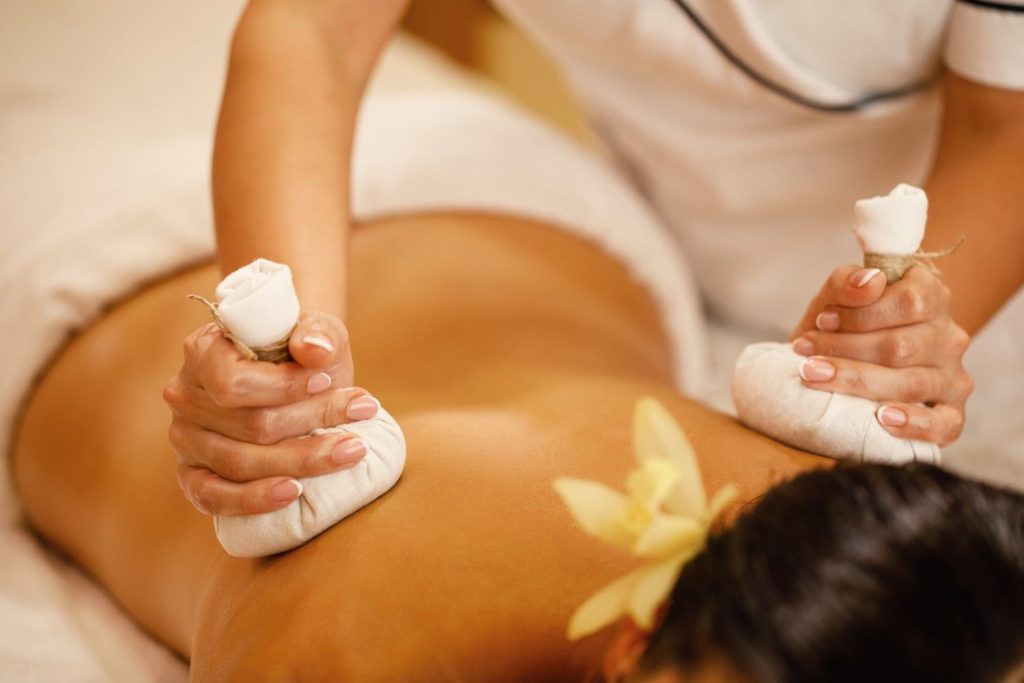
    Ayurvedic therapist performing herbal pouch massage (Kizhi therapy) on a patient's back during a traditional Panchakarma treatment session.

                              Snehana (Internal and External Oleation)

    Internal oleation involves consuming medicated ghee (sneha) in gradually increasing doses over several days. This might sound unusual, but it serves a precise purpose the ghee travels through the digestive tract and into deeper body tissues, helping to loosen fat-soluble toxins that are embedded in cells and organs. Most people take this on an empty stomach in the early morning.

    External oleation is the full-body herbal oil massage known as Abhyanga. A therapist often two working in synchronised movements applies warm, medicated herbal oil all over the body. The oil is selected based on your dosha profile. This massage:

    • Stimulates lymphatic circulation
    • Opens channels (srotas) in the body
    • Softens and loosens accumulated toxins in tissues
    • Deeply relaxes the nervous system

    Sessions typically last 45 to 60 minutes.

                              Swedana (Herbal Steam Therapy)

    Immediately following Abhyanga, most patients undergo Swedana  herbal steam therapy. You lie inside a steam chamber (with your head outside), and steam infused with medicinal herbs surrounds your body for 15 to 20 minutes.

    The purpose of Swedana is to:

    • Dilate the body’s channels after the oil massage
    • Further mobilise loosened toxins toward the digestive tract
    • Encourage sweating, which aids in natural detoxification
    • Relax muscles and relieve stiffness


    Stage 3: Pradhankarma – The Five Core Cleansing Procedures

    This is the heart of the treatment -the phase most people are thinking of when they ask what happens during a Panchakarma treatment. Based on your consultation, the physician selects the most appropriate procedures from the five classical therapies.

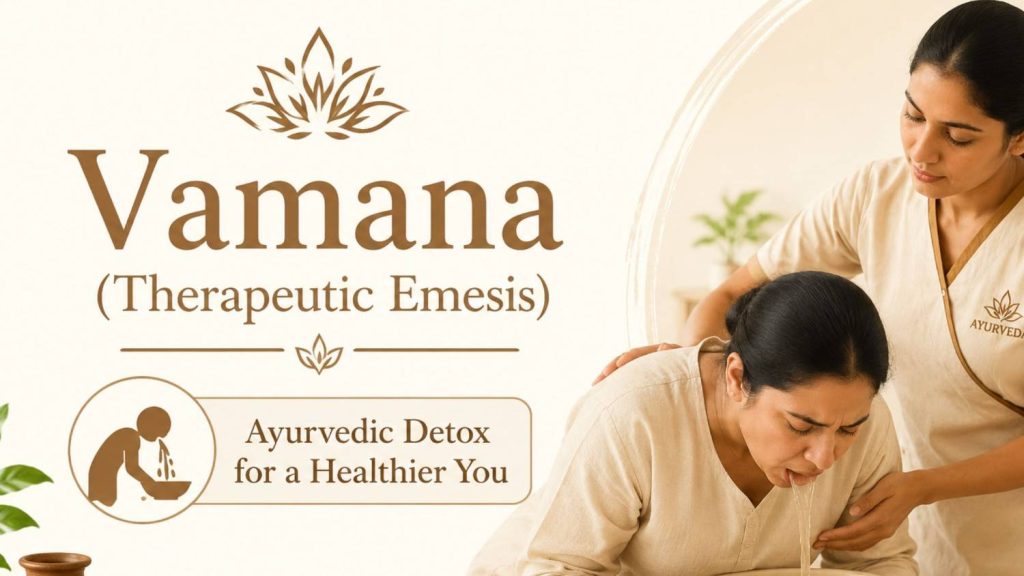
                  1. Vamana (Therapeutic Emesis)

    Vamana is a carefully guided process designed to eliminate excess Kapha from the upper body and respiratory tract. It is not an arbitrary or harsh procedure it is precisely timed and supervised, typically carried out in the morning when Kapha energy is naturally dominant.

    Who it may suit: People dealing with respiratory concerns, excess mucus, certain skin conditions, or Kapha-dominant imbalances.

    What to expect: The patient is given herbal preparations the evening before to loosen Kapha. On the day of treatment, warm medicated herbal decoctions are administered. The therapeutic response is monitored closely by the physician throughout.

    Illustration of a patient undergoing Vamana therapy under Ayurvedic supervision as part of a traditional Panchakarma detoxification process.
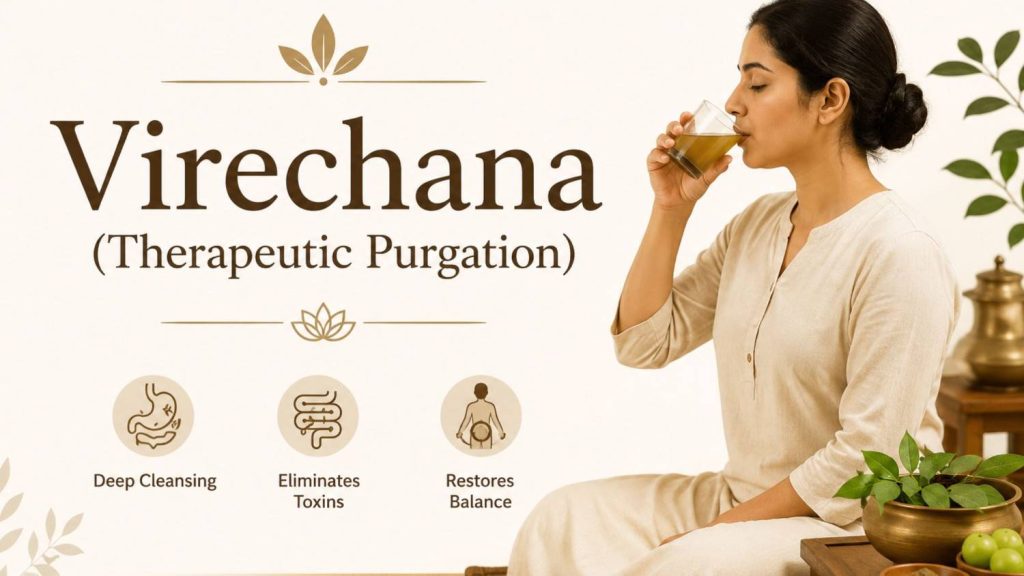
    Person drinking an Ayurvedic herbal preparation as part of Virechana therapy, a traditional Panchakarma cleansing procedure used for internal detoxification and balance.

                      2. Virechana (Therapeutic Purgation)

    Virechana targets the Pitta dosha and focuses on cleansing the liver, small intestine, and digestive tract. It is one of the most commonly recommended Panchakarma procedures.

    Who it may suit: People with skin issues, excess body heat, digestive sluggishness, or liver-related concerns.

    What to expect: Medicated herbal laxatives are administered in the morning after the preparation phase. The process is gentle, and the physician determines the correct herbal combination based on your constitution. The outcome is a thorough internal cleansing that many patients describe as making them feel noticeably lighter and cleaner.

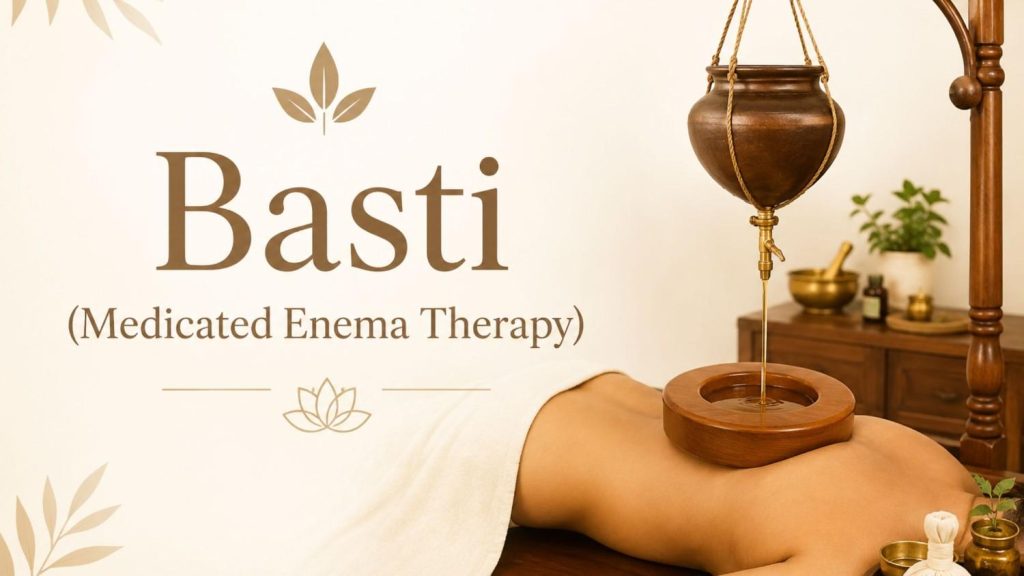
                3. Basti (Medicated Enema Therapy)

    Basti is considered the most powerful of all Panchakarma procedures in classical Ayurvedic texts often described as half the entire treatment. It involves the administration of medicated herbal decoctions or oils through the rectum to cleanse the colon and balance Vata dosha.

    Who it may suit: People with joint stiffness, lower back discomfort, constipation, nervous system imbalances, or Vata-dominant conditions

    A full Basti course may involve multiple sessions given on alternating days, following a defined sequence.

    Traditional Ayurvedic therapy setup illustrating Basti treatment with medicated oil equipment and a patient in a wellness care environment.
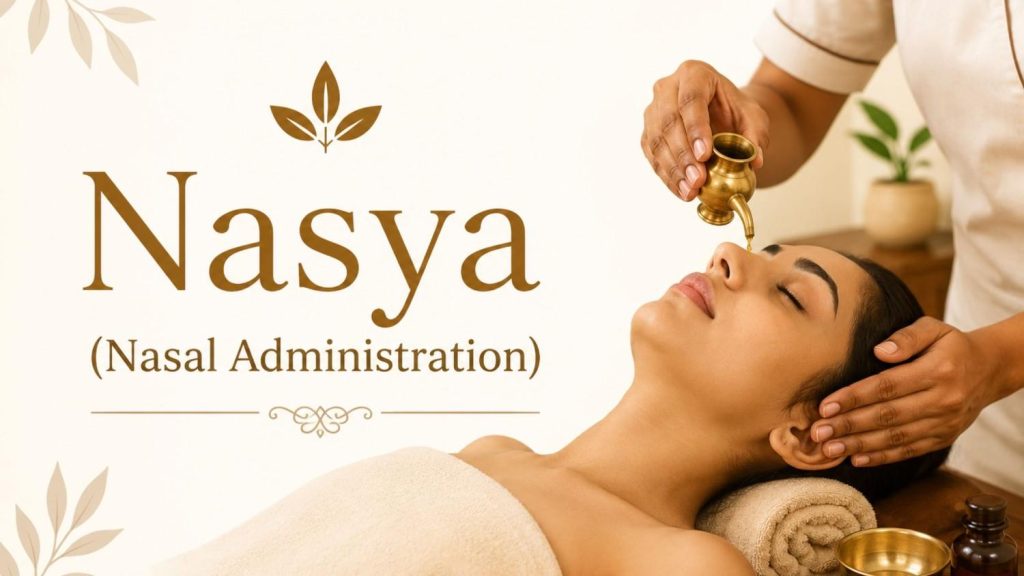
    Ayurvedic practitioner administering Nasya therapy by placing medicated oil into a patient’s nostril during a traditional Panchakarma treatment session.

                           4. Nasya (Nasal Administration)

    Nasya involves the administration of medicated oils, herbal powders, or herbal juices through the nasal passages. In Ayurveda, the nose is considered the gateway to the head and brain  and Nasya aims to cleanse this pathway.

    Who it may suit: People with sinus congestion, frequent headaches, migraines, neck stiffness, or those seeking mental clarity and improved concentration.

    What to expect: The face and neck are gently massaged and given light steam to open the nasal passages. Warm medicated oil is then carefully administered into each nostril. Most patients find this surprisingly comfortable and often experience clearer breathing almost immediately.

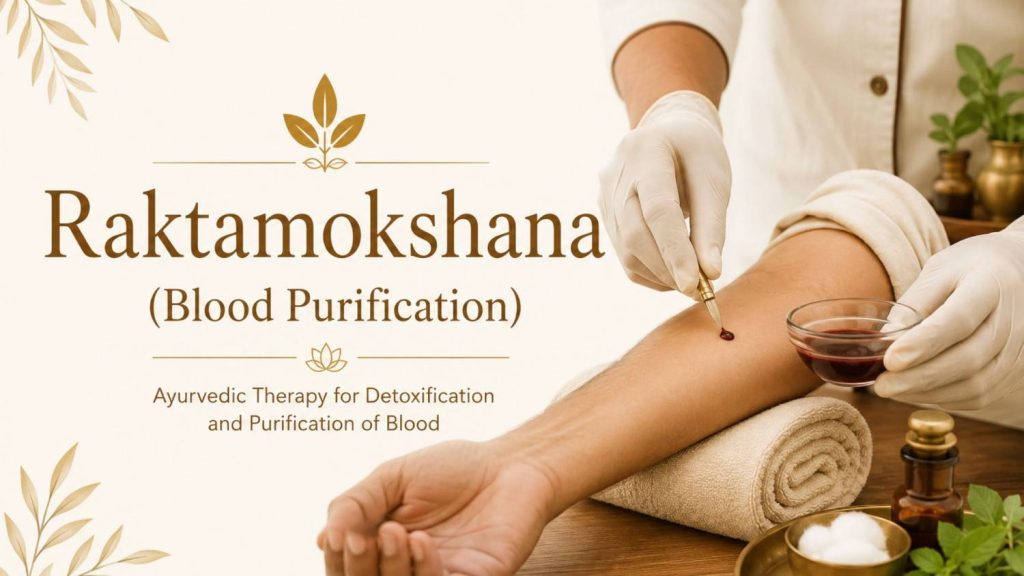
               5. Raktamokshana (Blood Purification)

    Raktamokshana is the fifth classical procedure and is the most selectively used. It is a traditional purification therapy historically used for certain skin and inflammatory conditions. In modern Ayurvedic practice, it is administered only under very specific clinical indications and with close professional supervision.

    Illustration of Raktamokshana therapy showing a practitioner performing a traditional Ayurvedic blood purification procedure in a clinical wellness setting.

    The Diet During Panchakarma: What You Will Eat

    Food during Panchakarma is not a side element it is integral to the therapy. The Ayurvedic dietary approach during treatment is called pathya, meaning a supportive, therapeutic diet.

                         Commonly eaten during Panchakarma:

    • Kichadi – a simple dish of rice and split moong lentils, easy to digest and deeply nourishing
    • Warm herbal teas and medicated water
    • Freshly cooked vegetable soups and broths
    • Light steamed vegetables
    • Warm milk with herbal additions (if appropriate for your dosha)

                                                           Commonly avoided:

    • Raw, cold, or refrigerated foods
    • Fried, processed, or heavy foods
    • Excess sugar and salt
    • Alcohol and caffeine
    • Meat (in most programmes)

    The digestive fire (agni) is considered deliberately reduced during detoxification, so heavy foods would simply not be processed and could interfere with the cleansing. Eating warm, simple, freshly cooked food is therefore not a restriction – it is supportive medicine.

    Stage 4: Paschatkarma – The Rejuvenation Phase

    Once the primary cleansing procedures are complete, the body enters a state of openness and receptivity. This is when the Panchakarma rejuvenation stage begins called Paschatkarma.

    This phase focuses on rebuilding strength, nourishing the tissues, and reestablishing healthy daily rhythms. Therapies during this phase become richer and more nourishing rather than cleansing.

    Common Paschatkarma therapies include:

                                  Shirodhara

    A deeply calming therapy where a continuous stream of warm medicated oil is poured in a gentle, rhythmic flow over the forehead (ajna marma point). It is widely used for stress, anxiety, insomnia, and mental fatigue. Most patients enter a profound state of relaxation some describe it as meditative even without intention.

                                              Pizhichil

    Warm medicated oil is poured over the entire body in a continuous stream while therapists simultaneously massage the body. It is deeply nourishing for the muscles, joints, and nervous system often recommended after Basti therapy to restore Vata balance.

                                  Udwarthanam

    A herbal powder or paste massage that stimulates circulation and helps the body re-energise after cleansing. It is especially used when weight management is part of the wellness goal.

                             Yoga, Meditation, and Pranayama

    In the rejuvenation phase, structured yoga sessions and breathing practices (pranayama) are introduced or intensified. These are not generic fitness exercises  they are sequenced specifically to support the post-detox body and help stabilise the emotional clarity that many patients experience after cleansing.

    How Long Does Panchakarma Treatment Take?

    The duration varies significantly depending on your health goals, constitution, and the programme structure.

    • Short wellness programmes: 7 to 14 days – focused on relaxation, mild detox, and stress relief
    • Standard treatment programmes: 14 to 21 days – full Poorvakarma, core procedures, and Paschatkarma
    • Extended therapeutic programmes: 28 days or more – for deeper chronic conditions or comprehensive rejuvenation

    Shorter programmes may not include all five Panchakarma procedures. A qualified physician will advise on the appropriate duration during your initial consultation.

    Who Should Consider Panchakarma Treatment?

    Panchakarma detox treatment in Kerala is explored by a wide range of people, including:

    • Those experiencing chronic fatigue, brain fog, or low energy
    • People with digestive issues, bloating, or irregular appetite
    • Individuals dealing with stress, anxiety, or sleep disturbances
    • Those with skin concerns such as psoriasis or eczema
    • Anyone seeking a structured seasonal detox for preventive wellness
    • Yoga practitioners and wellness seekers deepening their Ayurvedic practice
    • People recovering from long periods of poor lifestyle habits

    There is no single “type” of Panchakarma patient. The highly personalised nature of the treatment makes it adaptable to many different needs and starting points.

    Conclusion

    Understanding what happens during a Panchakarma treatment reveals that this is far more than a detox or spa experience. It is a layered, medically guided process that moves through preparation, deep cleansing, and systematic restoration working on the physical, mental, and emotional dimensions simultaneously.

    From the initial Ayurvedic consultation and the gentle preparation of Snehana and Swedana, through the targeted power of Vamana, Virechana, Basti, Nasya, and Raktamokshana, to the calming nourishment of Shirodhara, Pizhichil, and Paschatkarma therapies  every stage has a clear purpose rooted in thousands of years of classical Ayurvedic science.

    If you are considering this journey, learning about Panchakarma detox treatment in Kerala in more detail is a natural next step. Speaking with a qualified Ayurvedic physician will help you understand which therapies are best suited to your constitution and wellness goals.

    For further reading on integrative and traditional medicine approaches, the National Center for Complementary and Integrative Health (NCCIH) provides useful reference material.

    FREQUENTLY ASKED QUESTIONS

    1. What happens on the first day of Panchakarma treatment?

    The first day typically begins with a detailed Ayurvedic consultation where the physician assesses your constitution and health history. Depending on the programme, you may begin the preparation phase with medicated ghee consumption and your first Abhyanga herbal oil massage followed by Swedana steam therapy.


    No. Panchakarma is not a painful process. The therapies oil massages, steam, herbal decoctions  are generally deeply relaxing. Some procedures like Virechana may cause mild discomfort during the cleansing response, but this is closely managed by the physician.

    Strenuous physical activity and mentally demanding work are discouraged during treatment. The body and mind need rest to process the detoxification effectively. Light yoga, gentle walks, and meditation are encouraged.

    Most people report improved energy, better sleep, lighter digestion, clearer skin, and a calmer mental state after completing a full Panchakarma programme. These effects often continue to deepen over the weeks following treatment.

    Classical Ayurvedic texts recommend seasonal Panchakarma ideally once or twice a year as a preventive wellness practice. The appropriate frequency for you will depend on your health condition and your physician’s guidance.

    Panchakarma is highly personalised and the physician tailors the programme to the individual. Certain procedures may not be recommended during pregnancy, acute illness, or specific health conditions. A proper consultation determines what is appropriate.

    Yes. Most structured Panchakarma programmes include gentle yoga and pranayama sessions, particularly during the rejuvenation phase. These complement the detoxification therapies and help stabilise emotional and physical balance.

    Comfortable, loose cotton clothing is ideal. Avoid synthetic fabrics. You may bring personal meditation items, journals, or light reading. Most centres provide herbal supplies and dietary items as part of the programme.

    Yes. Therapies like Shirodhara, Abhyanga, and Nasya are specifically known for their calming effects on the nervous system. Many people explore Panchakarma primarily for stress management and mental wellness.

    Your physician will provide specific instructions, but common preparation includes gradually reducing heavy, fried, and processed foods, decreasing caffeine intake, and establishing an earlier sleep schedule in the days before treatment begins.

  • How to Choose the Best Panchakarma Center

    How to Choose the Best Panchakarma Center

    How to Choose the Best Panchakarma Center

    How to choose the best Panchakarma center is a common question among individuals seeking authentic Ayurvedic detoxification and rejuvenation therapies. Selecting the right center is important because Panchakarma involves personalized treatments that should be tailored to an individual’s health condition, body constitution, and wellness goals. A well-established Panchakarma center typically offers qualified Ayurvedic doctors, customized treatment plans, hygienic facilities, quality herbal preparations, and comprehensive wellness support. Understanding how to choose the best Panchakarma center can help individuals make informed decisions and ensure a safe, effective, and holistic wellness experience.

    Verify the Qualifications of Ayurvedic Doctors

    A reputable Panchakarma center should have qualified Ayurvedic physicians who conduct detailed consultations before recommending treatments. Panchakarma should never follow a one-size-fits-all approach, as treatment plans vary according to an individual’s body constitution, health condition, and wellness goals.

    Check Whether Treatments Are Personalized

    Authentic Panchakarma begins with a thorough assessment. The center should evaluate factors such as:

    • Medical history
    • Lifestyle habits
    • Digestive health
    • Sleep patterns
    • Stress levels
    • Individual constitution (Prakriti)

    Personalized treatment plans are generally more appropriate than fixed detox packages.

    Assess the Experience of the Center

    Centers with extensive experience in Ayurvedic therapies often have established treatment protocols and trained therapy teams. Reviewing the center’s history, treatment approach, and specialization can provide useful insights.

    Evaluate Hygiene and Cleanliness

    Clean treatment rooms, properly maintained equipment, hygienic therapy areas, and overall facility cleanliness are essential. Hygiene standards contribute significantly to comfort and safety during Panchakarma procedures.

    Confirm Availability of Traditional Panchakarma Therapies

    A comprehensive Panchakarma center should offer appropriate Ayurvedic detoxification therapies, which may include:

    • Abhyanga (herbal oil massage)
    • Swedana (herbal steam therapy)
    • Virechana
    • Vasti
    • Nasya
    • Shirodhara
    • Rejuvenation therapies

    The suitability of these treatments should be determined after consultation.

    Examine the Quality of Herbal Medicines and Oils

    Authentic Panchakarma relies heavily on Ayurvedic herbs, medicated oils, and traditional formulations. Ask whether the center uses quality-controlled herbal products prepared according to Ayurvedic principles.

    How to choose the best Panchakarma center for personalized Ayurvedic wellness treatment

    Look for Comprehensive Wellness Support

    Many quality Panchakarma centers provide additional wellness guidance such as:

    • Ayurvedic diet recommendations
    • Yoga sessions
    • Meditation practices
    • Lifestyle counseling
    • Stress management guidance

    These supportive practices can complement the detoxification process.

    Review Accommodation and Environment

    For residential Panchakarma programs, a calm and peaceful environment can enhance relaxation and recovery. Consider:

    • Accommodation quality
    • Natural surroundings
    • Noise levels
    • Comfort and accessibility

    A supportive environment often contributes to the overall wellness experience.

    Read Genuine Patient Reviews

    Patient experiences may provide useful information regarding:

    • Professionalism of staff
    • Treatment quality
    • Facility cleanliness
    • Communication and support

    Focus on balanced reviews that discuss actual treatment experiences rather than promotional claims.

    Ensure Proper Follow-Up Care

    Panchakarma does not end with the completion of therapies. The best Panchakarma centers usually provide post-treatment guidance regarding:

    • Diet
    • Daily routines
    • Exercise
    • Sleep habits
    • Long-term wellness practices

    Proper follow-up may help maintain the benefits achieved during treatment.

    Consider Transparency and Communication

    A trustworthy center should clearly explain:

    • Treatment procedures
    • Expected duration
    • Possible lifestyle changes
    • Dietary requirements
    • Costs and inclusions

    Clear communication helps individuals make informed decisions.

    Check Whether the Center Offers Initial Consultation

    An initial consultation allows both the practitioner and the individual to determine whether Panchakarma is appropriate and what type of treatment plan may be suitable. Avoid centers that recommend intensive detoxification without proper assessment.

    Conclusion

    Selecting the best Panchakarma center involves more than comparing facilities or treatment packages. Qualified Ayurvedic doctors, personalized treatment planning, authentic therapies, hygiene standards, quality herbal preparations, and comprehensive wellness support are all important factors to consider. Taking time to evaluate these aspects can help individuals choose a center that aligns with their health needs and wellness goals. The uploaded reference emphasizes the importance of personalized assessment, proper timing, qualified guidance, and holistic wellness support when considering Panchakarma therapies. For additional information about Ayurveda and Panchakarma, visit the National Center of Complementary And Integrative Health (NCCIH) . which provides evidence-based information on Ayurvedic practices and wellness approaches. 

    Frequently Asked Questions

    What is the most important factor when choosing a Panchakarma center

    The qualifications of Ayurvedic doctors and the availability of personalized treatment plans are among the most important factors.

    Yes. Authentic Panchakarma is generally tailored to an individual’s constitution, health condition, and wellness objectives.

    Clean treatment rooms, equipment, and therapy areas help ensure a comfortable and safe treatment experience.

    Reviews can be helpful, but they should be considered alongside factors such as doctor qualifications, treatment methods, and facility standards.

    Many reputable centers offer Ayurvedic dietary recommendations and lifestyle guidance as part of a comprehensive wellness program.

    The duration varies depending on individual needs and treatment goals, ranging from a few days to several weeks.

    Yes. A consultation helps determine whether Panchakarma is appropriate and which therapies may be most suitable.

    Many quality centers provide post-treatment recommendations related to diet, lifestyle, and long-term wellness maintenance.

    While not mandatory, yoga and meditation can complement Panchakarma and support overall wellbeing.

    Look for qualified Ayurvedic practitioners, personalized treatment plans, traditional therapies, quality herbal preparations, hygiene standards, and transparent communication.

  • When Should You Do Panchakarma Detox for Better Wellness

    When Should You Do Panchakarma Detox for Better Wellness

    When Should You Do Panchakarma Detox for Better Wellness

    Maintaining good health requires more than simply managing symptoms when they arise. Modern lifestyles often expose people to stress, unhealthy eating habits, environmental pollutants, irregular sleep patterns, and mental fatigue. Over time, these factors may contribute to toxin accumulation and imbalance within the body. This is one reason many people ask, when should you do Panchakarma detox to support overall wellbeing naturally.

    Panchakarma is one of Ayurveda’s most respected detoxification and rejuvenation therapies. It focuses on cleansing the body, supporting digestion, calming the mind, and helping restore balance. However, timing plays an important role in maximizing the benefits of this traditional Ayurvedic practice.

    Understanding when should you do Panchakarma detox can help individuals choose the most suitable time for cleansing, rejuvenation, and long-term wellness support.

    When Should You Do Panchakarma Detox banner featuring an Ayurvedic consultation with personalized wellness guidance, herbal remedies, and holistic detox planning.

    What Is Panchakarma Detox?

    Panchakarma is a classical Ayurvedic purification process designed to remove accumulated toxins and restore balance within the body.

    The term Panchakarma means “five actions,” referring to five traditional cleansing therapies that help eliminate impurities and support healthy bodily functions.

    A Panchakarma program typically includes:

    • Ayurvedic consultation
    • Herbal oil therapies
    • Steam treatments
    • Detoxification procedures
    • Dietary guidance
    • Lifestyle recommendations
    • Rejuvenation therapies

    Unlike short-term cleansing trends, Panchakarma follows a structured and personalized approach that addresses both physical and mental wellbeing.

    Why Timing Matters for Panchakarma Detox

    One of the most common questions people ask is when should you do Panchakarma detox for the best results.

    According to Ayurveda, the body experiences natural cycles throughout the year. Seasonal changes can influence digestion, energy levels, immunity, and overall balance.

    Performing Panchakarma during appropriate periods may help:

    • Support natural detoxification
    • Improve digestion
    • Enhance relaxation
    • Promote emotional wellbeing
    • Encourage healthy lifestyle habits

    Choosing the right time may allow the body to respond more effectively to detoxification and rejuvenation therapies.

    Seasonal Changes and Detoxification

    Ayurveda recognizes that seasonal transitions often influence the accumulation of toxins.

    Changes in temperature, humidity, food habits, and daily routines may affect the body’s natural balance.

    Many Ayurvedic practitioners recommend detoxification during seasonal transitions because the body may be more responsive to cleansing during these periods.

    This is one reason why understanding when should you do Panchakarma detox is considered important in traditional Ayurvedic wellness planning.

    Spring: A Popular Time for Panchakarma

    Spring is often considered one of the most suitable times for detoxification.

    During colder months, people may consume heavier foods and spend less time engaging in physical activity. As the season changes, the body may naturally begin releasing accumulated toxins.

    Many individuals choose Panchakarma during spring because it may help:

    • Refresh the body
    • Improve energy levels
    • Support digestion
    • Encourage seasonal wellness

    Spring cleansing is commonly associated with renewal and rejuvenation.

    Autumn: Another Ideal Season for Panchakarma

    Autumn is another season frequently recommended for detoxification.

    After months of heat, travel, and lifestyle fluctuations, the body may benefit from a structured wellness reset.

    Panchakarma during autumn may help support:

    • Emotional balance
    • Relaxation
    • Digestive health
    • Seasonal adjustment

    Many wellness seekers schedule detoxification programs during this period to prepare for changing weather conditions and daily routines.

    Signs That May Indicate the Need for Panchakarma Detox

    Understanding when should you do Panchakarma detox also involves recognizing signs that the body may benefit from cleansing and rejuvenation.

    Certain symptoms may suggest that lifestyle stress and toxin accumulation are affecting overall wellbeing.

    These signs may include:

    • Persistent fatigue
    • Low energy levels
    • Digestive discomfort
    • Irregular sleep
    • Mental exhaustion
    • Reduced concentration
    • Feeling physically heavy
    • Increased stress

    Although these symptoms can have various causes, many individuals explore Panchakarma as part of their wellness journey when experiencing ongoing imbalance.

    When Stress Becomes Difficult to Manage

    Modern life often places continuous demands on the mind and body.

    Work responsibilities, family commitments, technology use, and emotional pressures may contribute to chronic stress.

    Over time, stress may affect:

    • Sleep quality
    • Mood
    • Digestion
    • Energy levels
    • Daily productivity

    When stress begins interfering with overall wellbeing, many individuals consider Panchakarma therapies that focus on relaxation and nervous system support.

    Treatments such as Abhyanga and Shirodhara are often included as part of comprehensive wellness programs.

    When Digestion Feels Out of Balance

    Ayurveda places great importance on digestive health.

    Strong digestion is considered essential for maintaining energy, wellness, and internal balance.

    Signs of digestive imbalance may include:

    • Bloating
    • Gas
    • Irregular appetite
    • Constipation
    • Indigestion

    When digestive discomfort becomes a recurring issue, some individuals explore Panchakarma to support natural digestive function and detoxification.

    This is another situation where understanding when should you do Panchakarma detox becomes relevant.

    When Sleep Quality Starts Declining

    Sleep is one of the body’s most important healing mechanisms.

    Poor sleep may affect physical health, mental clarity, and emotional wellbeing.

    Common sleep-related concerns include:

    • Difficulty falling asleep
    • Frequent waking during the night
    • Feeling tired upon waking
    • Mental restlessness

    Many Panchakarma programs include therapies aimed at promoting relaxation and supporting healthy sleep habits.

    Individuals experiencing ongoing sleep disturbances may find it beneficial to evaluate whether detoxification and lifestyle adjustments are needed.

    When You Want a Wellness Reset

    Not everyone seeks Panchakarma because of specific symptoms.

    Many people choose detoxification simply because they want to:

    • Improve overall wellbeing
    • Refresh lifestyle habits
    • Establish healthier routines
    • Increase mindfulness
    • Support long-term wellness

    Panchakarma often serves as a structured wellness reset that combines cleansing, nutrition, relaxation, and self-care.

    For many individuals, this holistic approach helps encourage healthier choices even after the program ends.

    How Often Should Panchakarma Be Done?

    The frequency of Panchakarma depends on individual needs, lifestyle, and wellness goals.

    Some people choose to undergo Panchakarma:

    • Once a year
    • Twice a year during seasonal transitions
    • As recommended following Ayurvedic consultation

    Individuals experiencing higher stress levels or significant lifestyle imbalances may require different schedules based on their personal wellness plans.

    Because every person is unique, personalized assessment is considered important before beginning treatment.

    When Should You Avoid Panchakarma Detox?

    Although Panchakarma offers many wellness benefits, there may be situations when detoxification should be postponed.

    This may include periods of:

    • Physical weakness
    • Severe exhaustion
    • Acute illness
    • Recovery from major medical procedures

    Ayurvedic assessment helps determine whether an individual is ready for detoxification and which therapies may be most appropriate.

    Professional guidance is important to ensure therapies are selected safely and appropriately.

    Preparing for Panchakarma Detox

    Proper preparation can improve the overall Panchakarma experience.

    Many wellness programs recommend:

    • Eating lighter meals
    • Staying hydrated
    • Reducing processed foods
    • Maintaining regular sleep schedules
    • Limiting stress where possible

    Mental preparation is equally important.

    Entering the program with realistic expectations and a willingness to follow dietary and lifestyle recommendations may help support positive outcomes.

    What Happens After Panchakarma?

    Detoxification does not end when the therapies are completed.

    The post-treatment period focuses on maintaining the balance achieved during cleansing.

    This often includes:

    • Healthy dietary habits
    • Proper hydration
    • Regular physical activity
    • Yoga practices
    • Stress management techniques
    • Mindful daily routines

    Ayurveda emphasizes that long-term wellness depends on consistent lifestyle choices rather than short-term interventions alone.

    Benefits of Choosing the Right Time for Panchakarma

    Choosing the appropriate time for detoxification may help individuals gain greater value from the process.

    Potential benefits include:

    • Better digestion
    • Improved energy levels
    • Emotional relaxation
    • Enhanced wellbeing
    • Greater mental clarity
    • Improved lifestyle awareness
    • Better stress management

    Results may vary depending on individual health conditions, lifestyle habits, and the specific therapies included in the program.

    Conclusion

    Understanding when should you do Panchakarma detox can help individuals make informed decisions about their wellness journey. Seasonal transitions, ongoing stress, digestive imbalance, poor sleep, and the desire for a lifestyle reset are among the common reasons people consider Panchakarma. Choosing the right time may support deeper relaxation, improved balance, and a more effective detoxification experience.

    If you are exploring natural wellness approaches, understanding when should you do Panchakarma detox is an important step toward achieving long-term health, rejuvenation, and holistic wellbeing.

    For additional information about Ayurveda and integrative wellness, visit National Center for Complementary and Integrative Health

    Frequently Asked Questions

    1. When should you do Panchakarma detox?

    The best time to do Panchakarma detox is when you experience signs of physical or mental imbalance such as poor digestion, fatigue, stress, disturbed sleep, low energy, or a feeling of heaviness. Many people also choose it during seasonal transitions to support natural cleansing and rejuvenation.

    2. Is there a specific season recommended for Panchakarma detox?

    Ayurveda often recommends Panchakarma during seasonal changes because the body naturally undergoes adjustments during these periods. However, the ideal timing depends on your individual constitution, health condition, and treatment goals.

    3. Can Panchakarma detox help with stress and burnout?

    Yes. Panchakarma therapies are commonly used to promote relaxation, reduce stress, calm the nervous system, and support emotional wellbeing. Many individuals choose Panchakarma when experiencing mental fatigue or lifestyle-related stress.

    4. Should healthy people also undergo Panchakarma detox?

    Yes. Panchakarma is not only for people with health concerns. Many healthy individuals undergo Panchakarma as a preventive wellness practice to maintain balance, support digestion, and enhance overall vitality.

    5. How often should Panchakarma detox be done?

    The frequency varies from person to person. Some people choose to undergo Panchakarma once a year, while others may benefit from seasonal detox programs based on Ayurvedic recommendations and individual health needs.

    6. Can Panchakarma detox improve digestion?

    Panchakarma is traditionally used to support digestive health by helping the body eliminate accumulated toxins and restore balance. Many people report feeling lighter and experiencing improved digestive comfort after completing the program.

    7. Is Panchakarma useful after periods of unhealthy eating?

    Yes. Individuals who have experienced prolonged unhealthy eating habits, irregular routines, or excessive stress often consider Panchakarma as part of a lifestyle reset and wellness improvement plan.

    8. How long does a Panchakarma detox program usually last?

    The duration depends on the individual’s condition and treatment objectives. Programs may range from a few days to several weeks, with treatment plans tailored according to Ayurvedic assessment.

    9. What signs may indicate that it is time for Panchakarma detox?

    Common signs include persistent tiredness, digestive discomfort, lack of mental clarity, sleep disturbances, body stiffness, reduced energy levels, and difficulty maintaining overall wellbeing.

    10. Is medical consultation necessary before starting Panchakarma detox?

    Yes. A consultation with a qualified Ayurvedic practitioner is important before beginning Panchakarma. The treatment plan should be customized according to your body constitution, health history, and wellness goals to ensure the most suitable approach.
  • Panchakarma: An Introduction to Ayurveda’s Detoxifying Therapy

    Panchakarma: An Introduction to Ayurveda’s Detoxifying Therapy

    Panchakarma: An Introduction to Ayurveda’s Detoxifying Therapy

    Panchakarma is one of the most praised treatments in Ayurveda, as it involves a very thorough detox and rejuvenation program intended to get rid of toxins from the body while restoring balance and well-being. Based in ancient Ayurveda medical wisdom, the Panchakarma experience is designed to both eliminate toxins that activity at a deep-rooted, cellular level and balance the Doshas which govern all natural biological responses. It’s a perfect therapy for people who are looking to get natural healing, release stress and wants to get re-energized in his life.

    Panchakarma Protocols

    Panchakarma is a combination of carefully administered treatments specific to one’s body constitution or dosha. The five main treatments—Vamana (emesis), Virechana (purgation), Basti (enema therapy) Nasya (nasal administration), Raktamokshana, are used to clear out toxins from the body and restore healthy tissues. These gestation period dependent treatments are supported with Ayurvedic therapies like Abhyanga (herbal oil massage), Swedana (steam treatment) among others, which help improve its efficacy. When followed, Panchakarma treatments help to enhance metabolic function, reduce signs of aging (including obesity), improve digestion and strengthen elimination and cleansing processes in the body.

    Panchakarma Course in Kerala

    Why Kerala is the “Land of Ayurveda” You can find many authentic Panchakarma courses in Kerala. Many facilities in Kerala offers Panchakarma training, focusing on the theory and practice of Ayurveda as well as hands on experience. These classes are perfect for wellness junkies and health care practitioners or anyone seeking holistic remedies. Only with experienced Ayurvedic practitioners could these therapies be learned in their full depth as well as learning the benefits, and how to apply them safely.

    Panchakarma Treatment in Kerala and its Cost

    As for wellness retreats, Kerala boasts the best panchakarma treatment in Kerala with individual attention and relaxed vibe! There are different packages of treatment that depend on how long you’re staying and what treatments you want, also to the skill-level of the people doing them. Many centers offer reasonable Panchakarma treatment cost options that are affordable to the masses. Purchasing the Panchakarma treatment will not only maintain a safe detoxification, but also to support overall good health and wellbeing.

    To sum up, Panchkarma is more than a treatment; it is experience of purity and well-being. If you’re looking into a Panchakarma course in Kerala, want an authentic detox treatment or simply wishing to adopt this thousands-of-years-old form of Ayurvedic medicine – then this ancient philosophy may be the key to returning balance, vitality and inner harmony to your existence.

Call Call WhatsApp WhatsApp