Your cart is currently empty!
Category: Panchakarma
-

Can Panchakarma Help Reduce Stress Naturally
9 Powerful Ways Can Panchakarma Help Reduce Stress Naturally
Stress has become a common part of modern life. Work pressure, family responsibilities, financial concerns, lack of sleep, and constant digital connectivity can all contribute to mental and physical tension. Many people today are searching for natural methods to manage stress without relying solely on medications. In Thrissur, interest in traditional wellness approaches has increased as individuals seek holistic ways to improve their well-being.
One question that often arises is: can panchakarma help reduce stress naturally. Panchakarma is a traditional Ayurvedic cleansing and rejuvenation process that aims to restore balance in the body and mind. Through a combination of therapies, dietary guidance, and lifestyle practices, it may help individuals feel more relaxed, refreshed, and mentally balanced.
This article explores can panchakarma help reduce stress naturally, its potential benefits, therapies involved, and how it may support overall wellness.
Understanding Stress
Stress is the body’s response to physical, emotional, or mental challenges. While short-term stress can sometimes be helpful, long-term stress may affect overall health and quality of life.
Common sources of stress include:
- Work-related pressure
- Relationship challenges
- Financial concerns
- Health issues
- Lack of sleep
- Busy lifestyles
- Excessive screen time
When stress continues for a prolonged period, it can affect both physical and emotional health.
Common Symptoms of Stress
Stress can present itself in many ways.
Physical Symptoms
- Headaches
- Fatigue
- Muscle tension
- Digestive discomfort
- Sleep disturbances
- Increased heart rate
Emotional Symptoms
- Anxiety
- Irritability
- Mood swings
- Difficulty concentrating
- Feeling overwhelmed
Behavioral Symptoms
- Poor eating habits
- Social withdrawal
- Reduced productivity
- Difficulty managing daily tasks
Understanding these symptoms is important when exploring whether can panchakarma help reduce stress naturally may be relevant for your wellness goals
What Is Panchakarma
Panchakarma is a traditional Ayurvedic purification and rejuvenation process. The term “Panchakarma” means “five actions,” referring to a group of therapies designed to help remove accumulated toxins and restore balance within the body.
Ayurveda views health as a balance between body, mind, and spirit. According to this approach, stress can contribute to imbalances that affect overall wellness.
Panchakarma typically includes:
- Preparatory therapies
- Oil treatments
- Herbal therapies
- Cleansing procedures
- Dietary recommendations
- Lifestyle guidance
The exact therapies may vary depending on individual needs.
Can Panchakarma Help Reduce Stress Naturally
Many people ask, can panchakarma help reduce stress naturally because they want a holistic solution that addresses both physical and mental well-being.
Panchakarma aims to promote relaxation through a structured approach that combines cleansing, nourishment, and restorative therapies. While experiences vary from person to person, many individuals report feeling calmer, more balanced, and mentally refreshed after undergoing Ayurvedic treatments.
Potential ways Panchakarma may support stress management include:
- Encouraging deep relaxation
- Supporting better sleep
- Reducing physical tension
- Promoting mental clarity
- Improving overall wellness
- Encouraging healthier lifestyle habits
How Stress Affects the Body
To understand can panchakarma help reduce stress naturally, it is important to understand how stress affects the body.
Long-term stress may contribute to:
Nervous System Strain
Continuous stress can keep the body in a heightened state of alertness.
Sleep Problems
Stress often interferes with healthy sleep patterns.
Digestive Disturbances
Stress can influence appetite and digestive function.
Reduced Energy
Many individuals experience fatigue and lack of motivation during stressful periods.
Emotional Imbalance
Persistent stress may affect mood, concentration, and emotional stability.
Addressing these concerns through holistic wellness practices may help improve overall quality of life.
Panchakarma Therapies Commonly Associated with Stress Relief
Several Panchakarma-related therapies are often used to encourage relaxation and mental calmness.
Abhyanga
Abhyanga is a full-body massage performed using warm herbal oils.
Potential benefits include:
- Relaxation
- Improved circulation
- Reduced muscle tension
- Enhanced sense of well-being
Shirodhara
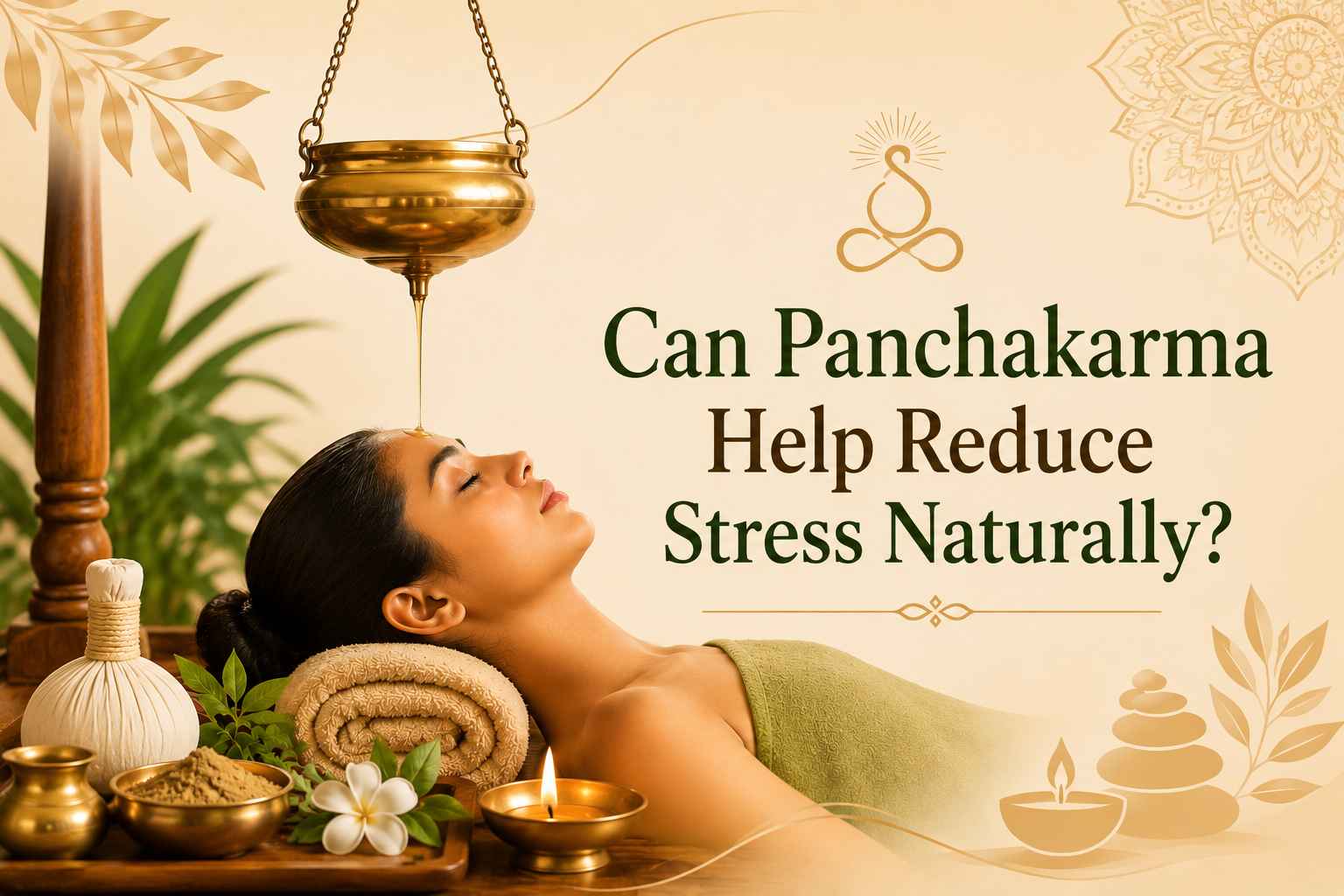
Shirodhara involves the gentle pouring of warm herbal oil onto the forehead.
This therapy is commonly associated with:
- Mental relaxation
- Improved focus
- Better sleep quality
- Reduced stress levels
Swedana
Swedana is a therapeutic sweating treatment often performed after oil therapies.
It may help:
- Relax muscles
- Support circulation
- Promote a feeling of lightness
Nasya
Nasya involves administering herbal preparations through the nasal passages under professional guidance.
It is traditionally used to support:
- Mental clarity
- Head and neck wellness
- Overall balance
These therapies are often included when exploring can panchakarma help reduce stress naturally.
Benefits of Panchakarma for Stress Management
1. Encourages Deep Relaxation
Many Panchakarma therapies are designed to calm the nervous system and promote a state of relaxation.
2. Supports Better Sleep
Stress often disrupts sleep. Relaxation-focused therapies may encourage healthier sleep patterns.
3. Helps Reduce Physical Tension
Massage and oil treatments may help relieve muscle tightness associated with stress.
4. Promotes Mental Clarity
Some individuals report improved concentration and focus following Panchakarma treatments.
5. Supports Emotional Balance
The holistic approach of Ayurveda focuses on both physical and emotional wellness.
6. Encourages Healthy Habits
Dietary guidance and lifestyle recommendations may help support long-term wellness.
7. Improves Overall Well-Being
A structured wellness program may contribute to a greater sense of balance and vitality.
Who May Consider Panchakarma
Individuals who may explore Panchakarma include those experiencing:
- Work-related stress
- Mental fatigue
- Sleep difficulties
- Lifestyle imbalance
- Physical tension
- Emotional exhaustion
A professional assessment is usually recommended before starting any Panchakarma program.
Lifestyle Tips to Support Stress Reduction
While discussing can panchakarma help reduce stress naturally, it is important to remember that daily habits also play a significant role.
Maintain a Regular Sleep Schedule
Consistent sleep habits can support mental and physical recovery.
Practice Mindfulness
Simple breathing exercises and meditation may help reduce stress.
Stay Physically Active
Regular movement can contribute to emotional well-being.
Eat Balanced Meals
Nutritious foods support overall health and energy levels.
Limit Screen Time
Reducing excessive digital exposure may help improve mental relaxation.
Stay Hydrated
Adequate hydration supports normal body functions.
Spend Time Outdoors
Nature and fresh air can contribute to a calmer state of mind.
What to Expect During a Panchakarma Program
The experience may vary depending on individual requirements and the specific treatment plan.
A typical Panchakarma process may include:
- Initial consultation
- Health assessment
- Preparatory therapies
- Main cleansing procedures
- Rejuvenation therapies
- Dietary recommendations
- Lifestyle guidance
The duration can vary from a few days to several weeks depending on the program.
Safety Considerations
Panchakarma should generally be performed under qualified Ayurvedic supervision.
Important considerations include:
- Individual health conditions
- Age and overall health status
- Existing medical concerns
- Current medications
A professional evaluation helps determine the most appropriate approach.
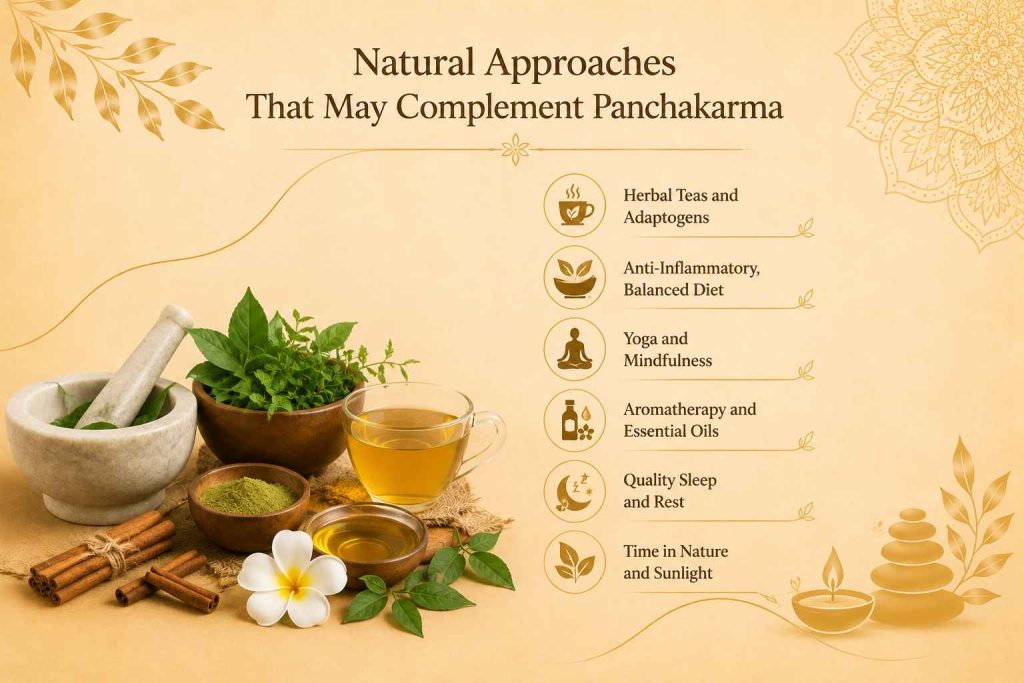
Natural Approaches That May Complement Panchakarma
In addition to Panchakarma, individuals may benefit from:
- Yoga
- Meditation
- Deep breathing exercises
- Healthy nutrition
- Regular exercise
- Relaxation techniques
- Adequate sleep
Combining multiple healthy lifestyle practices may provide greater support for stress management.
Conclusion
The question can panchakarma help reduce stress naturally is increasingly relevant as more people seek holistic approaches to wellness. Panchakarma focuses on cleansing, relaxation, rejuvenation, and restoring balance within the body and mind. Through therapies such as Abhyanga, Shirodhara, and other Ayurvedic practices, many individuals explore this traditional system as part of their stress-management routine.
While results vary from person to person, Panchakarma is often viewed as a comprehensive wellness approach that may support relaxation, improved sleep, mental clarity, and overall well-being. For those interested in natural stress-management strategies in Thrissur, consulting a qualified Ayurvedic practitioner can help determine whether Panchakarma is appropriate for their individual needs. Further information on stress, wellness, and health research is available through the National Institute of Health (NIH) .
Frequently Asked Questions
Can panchakarma help reduce stress naturallyPanchakarma is traditionally used to promote relaxation, balance, and overall well-being, which may help support stress management.
What is PanchakarmaPanchakarma is a traditional Ayurvedic cleansing and rejuvenation process involving specialized therapies and lifestyle guidance.
How long does Panchakarma treatment takePrograms may range from a few days to several weeks depending on individual needs.
Is Panchakarma painfulMost therapies are designed to be comfortable and relaxing when performed by trained professionals.
Can Panchakarma improve sleepMany individuals report improved relaxation and sleep quality after treatment.
What therapies are commonly used in PanchakarmaAbhyanga, Shirodhara, Swedana, and Nasya are among the commonly used therapies.
Is Panchakarma suitable for everyoneSuitability depends on individual health conditions and should be assessed by a qualified practitioner.
Can Panchakarma help with mental fatigueMany people seek Panchakarma to support relaxation and reduce feelings of mental exhaustion.
Do I need dietary changes during PanchakarmaDietary recommendations are often included as part of the overall treatment program.
How often can Panchakarma be doneThe frequency varies based on individual health goals and professional recommendations.
-

How to Choose the Best Panchakarma Center
How to choose the best Panchakarma center is a common question among individuals seeking authentic Ayurvedic detoxification and rejuvenation therapies. Selecting the right center is important because Panchakarma involves personalized treatments that should be tailored to an individual’s health condition, body constitution, and wellness goals. A well-established Panchakarma center typically offers qualified Ayurvedic doctors, customized treatment plans, hygienic facilities, quality herbal preparations, and comprehensive wellness support. Understanding how to choose the best Panchakarma center can help individuals make informed decisions and ensure a safe, effective, and holistic wellness experience.
Verify the Qualifications of Ayurvedic Doctors
A reputable Panchakarma center should have qualified Ayurvedic physicians who conduct detailed consultations before recommending treatments. Panchakarma should never follow a one-size-fits-all approach, as treatment plans vary according to an individual’s body constitution, health condition, and wellness goals.
Check Whether Treatments Are Personalized
Authentic Panchakarma begins with a thorough assessment. The center should evaluate factors such as:
- Medical history
- Lifestyle habits
- Digestive health
- Sleep patterns
- Stress levels
- Individual constitution (Prakriti)
Personalized treatment plans are generally more appropriate than fixed detox packages.
Assess the Experience of the Center
Centers with extensive experience in Ayurvedic therapies often have established treatment protocols and trained therapy teams. Reviewing the center’s history, treatment approach, and specialization can provide useful insights.
Evaluate Hygiene and Cleanliness
Clean treatment rooms, properly maintained equipment, hygienic therapy areas, and overall facility cleanliness are essential. Hygiene standards contribute significantly to comfort and safety during Panchakarma procedures.
Confirm Availability of Traditional Panchakarma Therapies
A comprehensive Panchakarma center should offer appropriate Ayurvedic detoxification therapies, which may include:
- Abhyanga (herbal oil massage)
- Swedana (herbal steam therapy)
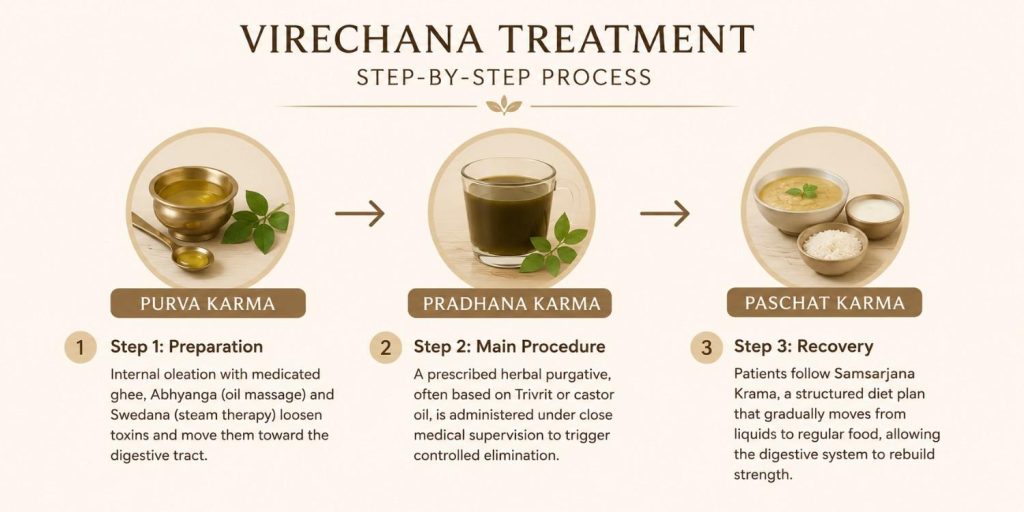
- Virechana
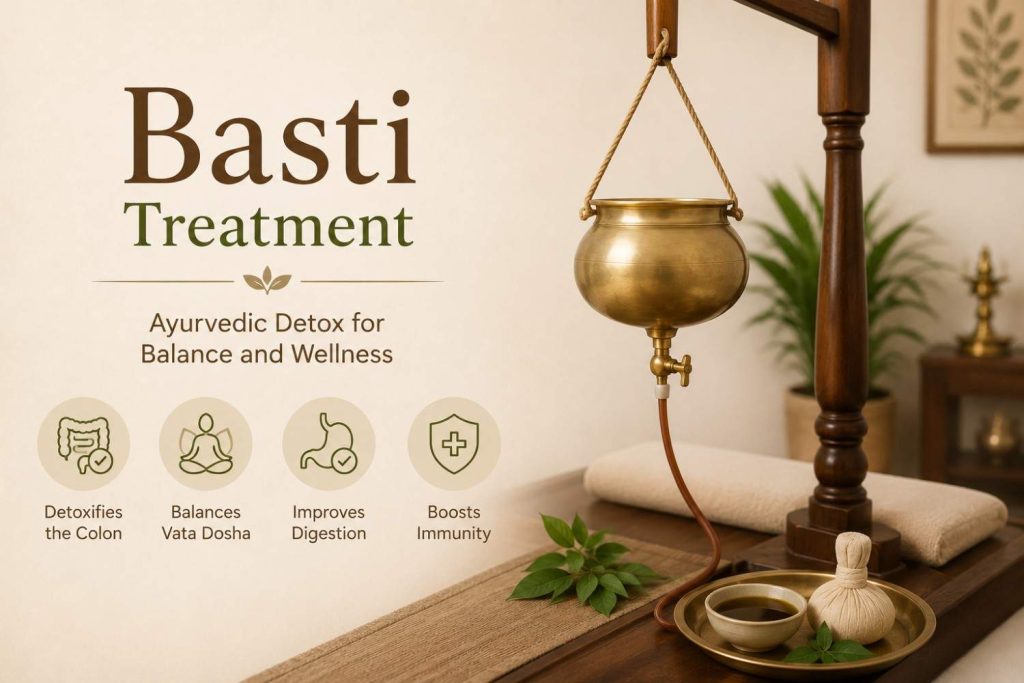
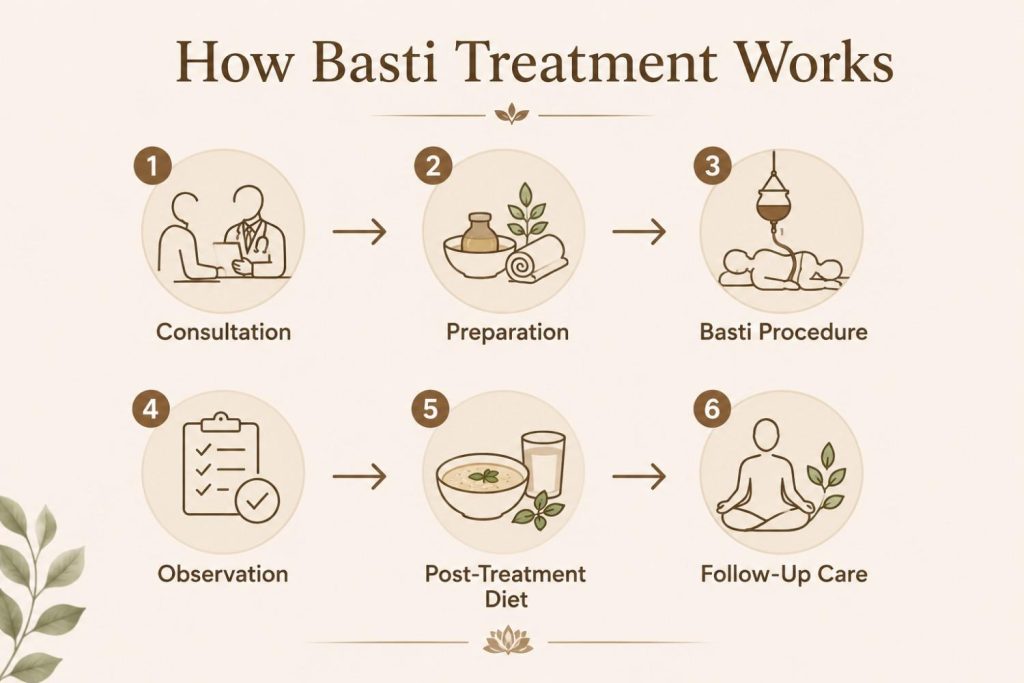
- Vasti
- Nasya
- Shirodhara
- Rejuvenation therapies
The suitability of these treatments should be determined after consultation.
Examine the Quality of Herbal Medicines and Oils
Authentic Panchakarma relies heavily on Ayurvedic herbs, medicated oils, and traditional formulations. Ask whether the center uses quality-controlled herbal products prepared according to Ayurvedic principles.
Look for Comprehensive Wellness Support
Many quality Panchakarma centers provide additional wellness guidance such as:
- Ayurvedic diet recommendations
- Yoga sessions
- Meditation practices
- Lifestyle counseling
- Stress management guidance
These supportive practices can complement the detoxification process.
Review Accommodation and Environment
For residential Panchakarma programs, a calm and peaceful environment can enhance relaxation and recovery. Consider:
- Accommodation quality
- Natural surroundings
- Noise levels
- Comfort and accessibility
A supportive environment often contributes to the overall wellness experience.
Read Genuine Patient Reviews
Patient experiences may provide useful information regarding:
- Professionalism of staff
- Treatment quality
- Facility cleanliness
- Communication and support
Focus on balanced reviews that discuss actual treatment experiences rather than promotional claims.
Ensure Proper Follow-Up Care
Panchakarma does not end with the completion of therapies. The best Panchakarma centers usually provide post-treatment guidance regarding:
- Diet
- Daily routines
- Exercise
- Sleep habits
- Long-term wellness practices
Proper follow-up may help maintain the benefits achieved during treatment.
Consider Transparency and Communication
A trustworthy center should clearly explain:
- Treatment procedures
- Expected duration
- Possible lifestyle changes
- Dietary requirements
- Costs and inclusions
Clear communication helps individuals make informed decisions.
Check Whether the Center Offers Initial Consultation
An initial consultation allows both the practitioner and the individual to determine whether Panchakarma is appropriate and what type of treatment plan may be suitable. Avoid centers that recommend intensive detoxification without proper assessment.
Conclusion
Selecting the best Panchakarma center involves more than comparing facilities or treatment packages. Qualified Ayurvedic doctors, personalized treatment planning, authentic therapies, hygiene standards, quality herbal preparations, and comprehensive wellness support are all important factors to consider. Taking time to evaluate these aspects can help individuals choose a center that aligns with their health needs and wellness goals. The uploaded reference emphasizes the importance of personalized assessment, proper timing, qualified guidance, and holistic wellness support when considering Panchakarma therapies. For additional information about Ayurveda and Panchakarma, visit the National Center of Complementary And Integrative Health (NCCIH) . which provides evidence-based information on Ayurvedic practices and wellness approaches.
Frequently Asked Questions
What is the most important factor when choosing a Panchakarma centerThe qualifications of Ayurvedic doctors and the availability of personalized treatment plans are among the most important factors.
Should Panchakarma treatments be customizedYes. Authentic Panchakarma is generally tailored to an individual’s constitution, health condition, and wellness objectives.
Why is hygiene important in a Panchakarma centerClean treatment rooms, equipment, and therapy areas help ensure a comfortable and safe treatment experience.
Can I choose a Panchakarma center based only on online reviewsReviews can be helpful, but they should be considered alongside factors such as doctor qualifications, treatment methods, and facility standards.
Do good Panchakarma centers provide dietary guidanceMany reputable centers offer Ayurvedic dietary recommendations and lifestyle guidance as part of a comprehensive wellness program.
How long does a Panchakarma program usually lastThe duration varies depending on individual needs and treatment goals, ranging from a few days to several weeks.
Is an Ayurvedic consultation necessary before PanchakarmaYes. A consultation helps determine whether Panchakarma is appropriate and which therapies may be most suitable.
Do Panchakarma centers offer follow-up supportMany quality centers provide post-treatment recommendations related to diet, lifestyle, and long-term wellness maintenance.
Should the center offer yoga and meditationWhile not mandatory, yoga and meditation can complement Panchakarma and support overall wellbeing.
How can I identify an authentic Panchakarma centerLook for qualified Ayurvedic practitioners, personalized treatment plans, traditional therapies, quality herbal preparations, hygiene standards, and transparent communication.
-

When Should You Do Panchakarma Detox for Better Wellness
Maintaining good health requires more than simply managing symptoms when they arise. Modern lifestyles often expose people to stress, unhealthy eating habits, environmental pollutants, irregular sleep patterns, and mental fatigue. Over time, these factors may contribute to toxin accumulation and imbalance within the body. This is one reason many people ask, when should you do Panchakarma detox to support overall wellbeing naturally.
Panchakarma is one of Ayurveda’s most respected detoxification and rejuvenation therapies. It focuses on cleansing the body, supporting digestion, calming the mind, and helping restore balance. However, timing plays an important role in maximizing the benefits of this traditional Ayurvedic practice.
Understanding when should you do Panchakarma detox can help individuals choose the most suitable time for cleansing, rejuvenation, and long-term wellness support.
What Is Panchakarma Detox?
Panchakarma is a classical Ayurvedic purification process designed to remove accumulated toxins and restore balance within the body.
The term Panchakarma means “five actions,” referring to five traditional cleansing therapies that help eliminate impurities and support healthy bodily functions.
A Panchakarma program typically includes:
- Ayurvedic consultation
- Herbal oil therapies
- Steam treatments
- Detoxification procedures
- Dietary guidance
- Lifestyle recommendations
- Rejuvenation therapies
Unlike short-term cleansing trends, Panchakarma follows a structured and personalized approach that addresses both physical and mental wellbeing.
Why Timing Matters for Panchakarma Detox
One of the most common questions people ask is when should you do Panchakarma detox for the best results.
According to Ayurveda, the body experiences natural cycles throughout the year. Seasonal changes can influence digestion, energy levels, immunity, and overall balance.
Performing Panchakarma during appropriate periods may help:
- Support natural detoxification
- Improve digestion
- Enhance relaxation
- Promote emotional wellbeing
- Encourage healthy lifestyle habits
Choosing the right time may allow the body to respond more effectively to detoxification and rejuvenation therapies.
Seasonal Changes and Detoxification
Ayurveda recognizes that seasonal transitions often influence the accumulation of toxins.
Changes in temperature, humidity, food habits, and daily routines may affect the body’s natural balance.
Many Ayurvedic practitioners recommend detoxification during seasonal transitions because the body may be more responsive to cleansing during these periods.
This is one reason why understanding when should you do Panchakarma detox is considered important in traditional Ayurvedic wellness planning.
Spring: A Popular Time for Panchakarma
Spring is often considered one of the most suitable times for detoxification.
During colder months, people may consume heavier foods and spend less time engaging in physical activity. As the season changes, the body may naturally begin releasing accumulated toxins.
Many individuals choose Panchakarma during spring because it may help:
- Refresh the body
- Improve energy levels
- Support digestion
- Encourage seasonal wellness
Spring cleansing is commonly associated with renewal and rejuvenation.
Autumn: Another Ideal Season for Panchakarma
Autumn is another season frequently recommended for detoxification.
After months of heat, travel, and lifestyle fluctuations, the body may benefit from a structured wellness reset.
Panchakarma during autumn may help support:
- Emotional balance
- Relaxation
- Digestive health
- Seasonal adjustment
Many wellness seekers schedule detoxification programs during this period to prepare for changing weather conditions and daily routines.
Signs That May Indicate the Need for Panchakarma Detox
Understanding when should you do Panchakarma detox also involves recognizing signs that the body may benefit from cleansing and rejuvenation.
Certain symptoms may suggest that lifestyle stress and toxin accumulation are affecting overall wellbeing.
These signs may include:
- Persistent fatigue
- Low energy levels
- Digestive discomfort
- Irregular sleep
- Mental exhaustion
- Reduced concentration
- Feeling physically heavy
- Increased stress
Although these symptoms can have various causes, many individuals explore Panchakarma as part of their wellness journey when experiencing ongoing imbalance.
When Stress Becomes Difficult to Manage
Modern life often places continuous demands on the mind and body.
Work responsibilities, family commitments, technology use, and emotional pressures may contribute to chronic stress.
Over time, stress may affect:
- Sleep quality
- Mood
- Digestion
- Energy levels
- Daily productivity
When stress begins interfering with overall wellbeing, many individuals consider Panchakarma therapies that focus on relaxation and nervous system support.
Treatments such as Abhyanga and Shirodhara are often included as part of comprehensive wellness programs.
When Digestion Feels Out of Balance
Ayurveda places great importance on digestive health.
Strong digestion is considered essential for maintaining energy, wellness, and internal balance.
Signs of digestive imbalance may include:
- Bloating
- Gas
- Irregular appetite
- Constipation
- Indigestion
When digestive discomfort becomes a recurring issue, some individuals explore Panchakarma to support natural digestive function and detoxification.
This is another situation where understanding when should you do Panchakarma detox becomes relevant.
When Sleep Quality Starts Declining
Sleep is one of the body’s most important healing mechanisms.
Poor sleep may affect physical health, mental clarity, and emotional wellbeing.
Common sleep-related concerns include:
- Difficulty falling asleep
- Frequent waking during the night
- Feeling tired upon waking
- Mental restlessness
Many Panchakarma programs include therapies aimed at promoting relaxation and supporting healthy sleep habits.
Individuals experiencing ongoing sleep disturbances may find it beneficial to evaluate whether detoxification and lifestyle adjustments are needed.
When You Want a Wellness Reset
Not everyone seeks Panchakarma because of specific symptoms.
Many people choose detoxification simply because they want to:
- Improve overall wellbeing
- Refresh lifestyle habits
- Establish healthier routines
- Increase mindfulness
- Support long-term wellness
Panchakarma often serves as a structured wellness reset that combines cleansing, nutrition, relaxation, and self-care.
For many individuals, this holistic approach helps encourage healthier choices even after the program ends.
How Often Should Panchakarma Be Done?
The frequency of Panchakarma depends on individual needs, lifestyle, and wellness goals.
Some people choose to undergo Panchakarma:
- Once a year
- Twice a year during seasonal transitions
- As recommended following Ayurvedic consultation
Individuals experiencing higher stress levels or significant lifestyle imbalances may require different schedules based on their personal wellness plans.
Because every person is unique, personalized assessment is considered important before beginning treatment.
When Should You Avoid Panchakarma Detox?
Although Panchakarma offers many wellness benefits, there may be situations when detoxification should be postponed.
This may include periods of:
- Physical weakness
- Severe exhaustion
- Acute illness
- Recovery from major medical procedures
Ayurvedic assessment helps determine whether an individual is ready for detoxification and which therapies may be most appropriate.
Professional guidance is important to ensure therapies are selected safely and appropriately.
Preparing for Panchakarma Detox
Proper preparation can improve the overall Panchakarma experience.
Many wellness programs recommend:
- Eating lighter meals
- Staying hydrated
- Reducing processed foods
- Maintaining regular sleep schedules
- Limiting stress where possible
Mental preparation is equally important.
Entering the program with realistic expectations and a willingness to follow dietary and lifestyle recommendations may help support positive outcomes.
What Happens After Panchakarma?
Detoxification does not end when the therapies are completed.
The post-treatment period focuses on maintaining the balance achieved during cleansing.
This often includes:
- Healthy dietary habits
- Proper hydration
- Regular physical activity
- Yoga practices
- Stress management techniques
- Mindful daily routines
Ayurveda emphasizes that long-term wellness depends on consistent lifestyle choices rather than short-term interventions alone.
Benefits of Choosing the Right Time for Panchakarma
Choosing the appropriate time for detoxification may help individuals gain greater value from the process.
Potential benefits include:
- Better digestion
- Improved energy levels
- Emotional relaxation
- Enhanced wellbeing
- Greater mental clarity
- Improved lifestyle awareness
- Better stress management
Results may vary depending on individual health conditions, lifestyle habits, and the specific therapies included in the program.
Conclusion
Understanding when should you do Panchakarma detox can help individuals make informed decisions about their wellness journey. Seasonal transitions, ongoing stress, digestive imbalance, poor sleep, and the desire for a lifestyle reset are among the common reasons people consider Panchakarma. Choosing the right time may support deeper relaxation, improved balance, and a more effective detoxification experience.
If you are exploring natural wellness approaches, understanding when should you do Panchakarma detox is an important step toward achieving long-term health, rejuvenation, and holistic wellbeing.
For additional information about Ayurveda and integrative wellness, visit National Center for Complementary and Integrative Health
Frequently Asked Questions
1. When should you do Panchakarma detox?
The best time to do Panchakarma detox is when you experience signs of physical or mental imbalance such as poor digestion, fatigue, stress, disturbed sleep, low energy, or a feeling of heaviness. Many people also choose it during seasonal transitions to support natural cleansing and rejuvenation.2. Is there a specific season recommended for Panchakarma detox?
Ayurveda often recommends Panchakarma during seasonal changes because the body naturally undergoes adjustments during these periods. However, the ideal timing depends on your individual constitution, health condition, and treatment goals.3. Can Panchakarma detox help with stress and burnout?
Yes. Panchakarma therapies are commonly used to promote relaxation, reduce stress, calm the nervous system, and support emotional wellbeing. Many individuals choose Panchakarma when experiencing mental fatigue or lifestyle-related stress.4. Should healthy people also undergo Panchakarma detox?
Yes. Panchakarma is not only for people with health concerns. Many healthy individuals undergo Panchakarma as a preventive wellness practice to maintain balance, support digestion, and enhance overall vitality.5. How often should Panchakarma detox be done?
The frequency varies from person to person. Some people choose to undergo Panchakarma once a year, while others may benefit from seasonal detox programs based on Ayurvedic recommendations and individual health needs.6. Can Panchakarma detox improve digestion?
Panchakarma is traditionally used to support digestive health by helping the body eliminate accumulated toxins and restore balance. Many people report feeling lighter and experiencing improved digestive comfort after completing the program.7. Is Panchakarma useful after periods of unhealthy eating?
Yes. Individuals who have experienced prolonged unhealthy eating habits, irregular routines, or excessive stress often consider Panchakarma as part of a lifestyle reset and wellness improvement plan.8. How long does a Panchakarma detox program usually last?
The duration depends on the individual’s condition and treatment objectives. Programs may range from a few days to several weeks, with treatment plans tailored according to Ayurvedic assessment.9. What signs may indicate that it is time for Panchakarma detox?
Common signs include persistent tiredness, digestive discomfort, lack of mental clarity, sleep disturbances, body stiffness, reduced energy levels, and difficulty maintaining overall wellbeing.10. Is medical consultation necessary before starting Panchakarma detox?
Yes. A consultation with a qualified Ayurvedic practitioner is important before beginning Panchakarma. The treatment plan should be customized according to your body constitution, health history, and wellness goals to ensure the most suitable approach. -

Panchakarma: An Introduction to Ayurveda’s Detoxifying Therapy
Panchakarma is one of the most praised treatments in Ayurveda, as it involves a very thorough detox and rejuvenation program intended to get rid of toxins from the body while restoring balance and well-being. Based in ancient Ayurveda medical wisdom, the Panchakarma experience is designed to both eliminate toxins that activity at a deep-rooted, cellular level and balance the Doshas which govern all natural biological responses. It’s a perfect therapy for people who are looking to get natural healing, release stress and wants to get re-energized in his life.
Panchakarma Protocols
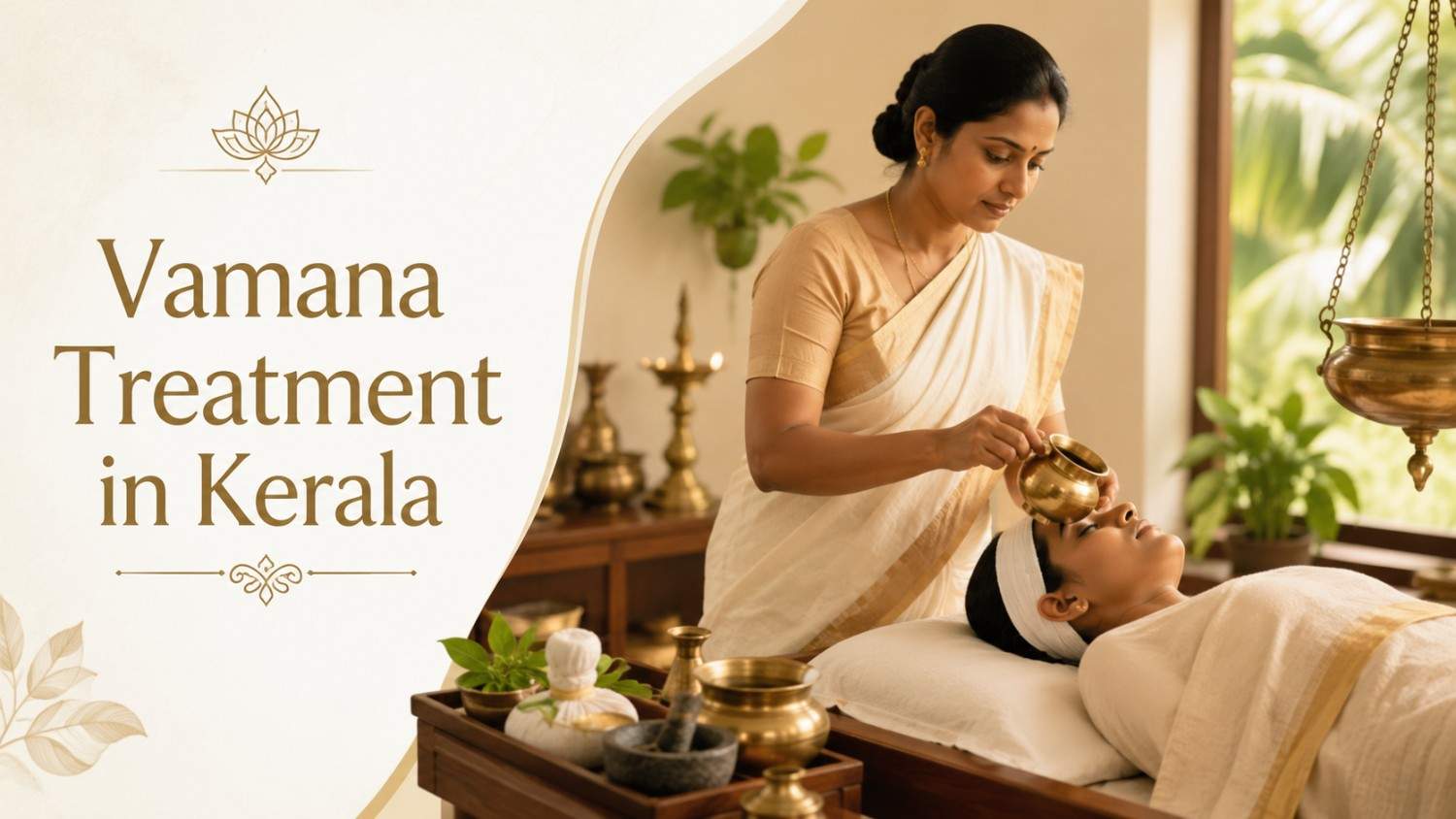
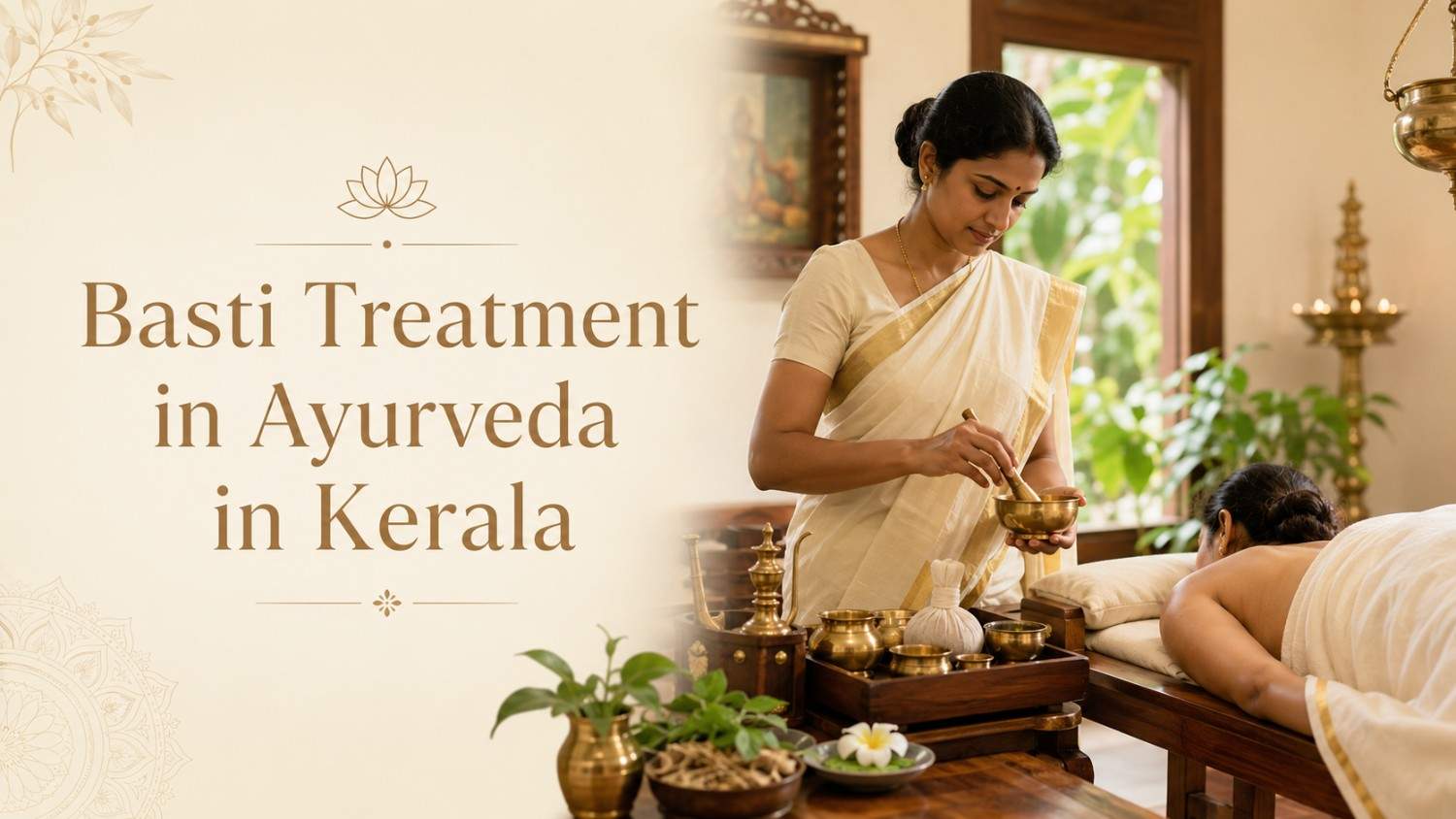
Panchakarma is a combination of carefully administered treatments specific to one’s body constitution or dosha. The five main treatments—Vamana (emesis), Virechana (purgation), Basti (enema therapy) Nasya (nasal administration), Raktamokshana, are used to clear out toxins from the body and restore healthy tissues. These gestation period dependent treatments are supported with Ayurvedic therapies like Abhyanga (herbal oil massage), Swedana (steam treatment) among others, which help improve its efficacy. When followed, Panchakarma treatments help to enhance metabolic function, reduce signs of aging (including obesity), improve digestion and strengthen elimination and cleansing processes in the body.
Panchakarma Course in Kerala
Why Kerala is the “Land of Ayurveda” You can find many authentic Panchakarma courses in Kerala. Many facilities in Kerala offers Panchakarma training, focusing on the theory and practice of Ayurveda as well as hands on experience. These classes are perfect for wellness junkies and health care practitioners or anyone seeking holistic remedies. Only with experienced Ayurvedic practitioners could these therapies be learned in their full depth as well as learning the benefits, and how to apply them safely.
Panchakarma Treatment in Kerala and its Cost
As for wellness retreats, Kerala boasts the best panchakarma treatment in Kerala with individual attention and relaxed vibe! There are different packages of treatment that depend on how long you’re staying and what treatments you want, also to the skill-level of the people doing them. Many centers offer reasonable Panchakarma treatment cost options that are affordable to the masses. Purchasing the Panchakarma treatment will not only maintain a safe detoxification, but also to support overall good health and wellbeing.
To sum up, Panchkarma is more than a treatment; it is experience of purity and well-being. If you’re looking into a Panchakarma course in Kerala, want an authentic detox treatment or simply wishing to adopt this thousands-of-years-old form of Ayurvedic medicine – then this ancient philosophy may be the key to returning balance, vitality and inner harmony to your existence.